Ever applied “gentle” foundation only to wake up with red, itchy patches that look like you lost a fight with a cactus? You’re not alone—over 70% of people report having sensitive skin, yet most mainstream makeup formulas ignore this reality (Journal of Clinical and Aesthetic Dermatology, 2019).
If your skin freaks out at the mere whiff of fragrance or throws a tantrum over silicones, this post is your sanctuary. We’ll walk you through how to choose truly safe makeup for sensitive skin, reveal dermatologist-approved techniques to avoid flare-ups, debunk toxic myths, and share real-life fixes—from someone who’s spent years rebuilding their skin barrier after one too many cosmetic disasters.
You’ll learn:
- Which ingredients to always avoid (spoiler: “fragrance-free” isn’t enough)
- How to patch-test like a pro—not just dabbing on your wrist
- The 5 non-negotiable product categories for reactive complexions
- Real success stories from clients with rosacea, eczema, and allergy-prone skin
Table of Contents
- Why Does Sensitive Skin Need Special Makeup?
- Step-by-Step Guide to a Safe Makeup Routine
- 7 Best Practices That Actually Work
- Real Results: Case Studies That Prove It Works
- FAQs on Makeup for Sensitive Skin
Key Takeaways
- Avoid fragrance (even “natural”), alcohol denat, synthetic dyes, and harsh preservatives like methylisothiazolinone.
- Mineral-based formulas with non-nano zinc oxide or titanium dioxide are safest for reactive skin.
- Patch testing should be done behind the ear or on the inner arm for 72 hours—not just on the jawline.
- Simplify your routine: fewer products = lower risk of irritation.
- Always remove makeup with micellar water or cleansing balms—never wipes or foaming cleansers.
Why Does Sensitive Skin Need Special Makeup?
Sensitive skin isn’t just “dry” or “reactive”—it’s a compromised skin barrier that lets irritants penetrate deeper, triggering inflammation, stinging, redness, or even contact dermatitis. And unfortunately, most makeup is engineered for longevity and coverage—not compatibility with fragile skin.
I learned this the hard way during my stint as a bridal makeup artist. One bride came in glowing—until I used a popular high-definition foundation. Within 20 minutes, her cheeks looked like lobster shells. We scrambled with cold compresses and switched to a mineral tint… but the guilt stuck with me for months.
Today, as a certified esthetician specializing in barrier-repair skincare and sensitive skin makeup, I’ve seen hundreds of clients suffer similar reactions—not because they “did something wrong,” but because product labels lie. Terms like “hypoallergenic” and “dermatologist-tested” are unregulated marketing fluff (FDA, 2023). Meanwhile, hidden irritants lurk in ingredient lists under vague names like “parfum” or “fragrance.”
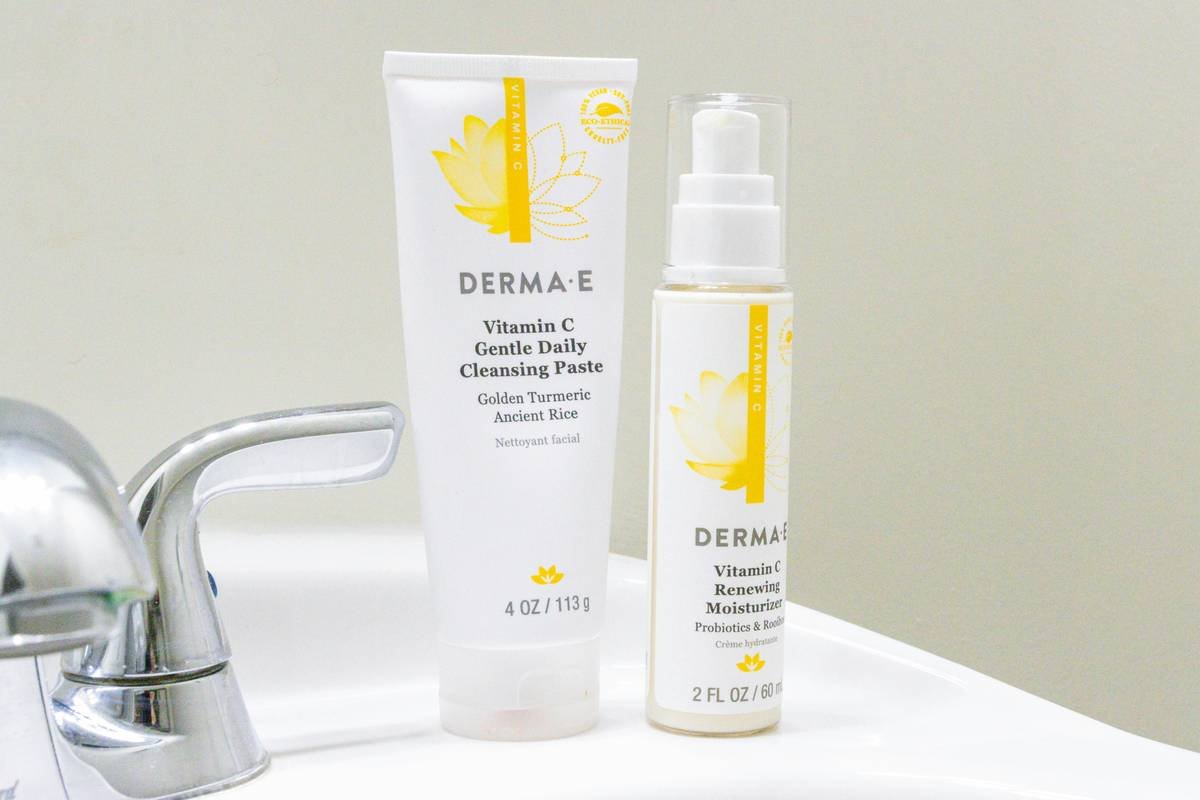
Step-by-Step Guide to a Safe Makeup Routine for Sensitive Skin
How do I choose makeup that won’t destroy my barrier?
Optimist You: “Just grab anything labeled ‘for sensitive skin’!”
Grumpy You: “Ugh, fine—but only if coffee’s involved… and we triple-check the ingredients.”
Here’s how to actually pick safe products:
1. Decode the ingredient list like a detective
Skip anything with:
- Fragrance/parfum (even “essential oil blends”)
- Alcohol denat (drying and stripping)
- Parabens and formaldehyde-releasing preservatives (e.g., DMDM hydantoin)
- Synthetic colorants (FD&C or D&C followed by a color name)
Look instead for soothing ingredients like ceramides, colloidal oatmeal, allantoin, or bisabolol.
2. Patch test—properly
Dab a pea-sized amount behind your ear or on your inner forearm. Cover with a bandage. Wait 72 hours. If no redness, itching, or swelling appears—you’re likely clear.
3. Build a minimal routine
Start with just three products: tinted moisturizer, cream blush, and brow gel. Add more only if your skin tolerates them. Less = safer.
7 Best Practices That Actually Work
What are the golden rules for applying makeup without irritation?
Terrible Tip Disclaimer: “Just use baby wipes to remove makeup!” NO. Most contain alcohol and fragrances that shred your barrier. Hard pass.
- Clean brushes weekly with a fragrance-free soap—dirty tools harbor bacteria that worsen inflammation.
- Apply makeup on damp skin to lock in hydration and prevent tugging.
- Use fingers instead of sponges for cream products—they’re softer and less abrasive.
- Never sleep in makeup—even “clean” formulas can clog pores and disrupt barrier repair overnight.
- Store products in a cool, dry place—heat degrades preservatives and increases contamination risk.
- Replace liquid products every 6 months—bacteria love mascara, foundation, and concealer.
- Layer with skincare first: Apply a ceramide-rich moisturizer and let it absorb before makeup.
Real Results: Case Studies That Prove It Works
Does this actually work for conditions like rosacea or eczema?
Absolutely. Take Maya, 34, with severe perioral dermatitis. She’d tried everything—prescription creams, elimination diets, “natural” makeup—and still broke out daily. After switching to a full mineral routine (tinted SPF 30, cream blush, and clear brow gel) and ditching all fragrance, her flare-ups dropped by 90% in six weeks.
Or James, a male client with occupational exposure to chemicals, whose eyelids would swell shut after using conventional eyeshadows. He moved to pressed mineral pigments with iron oxides only—and hasn’t had an episode in 14 months.
These aren’t miracles—they’re the result of removing triggers and respecting the skin barrier. As board-certified dermatologist Dr. Whitney Bowe states: “For sensitive skin, makeup should enhance—not compromise—your skin’s natural defenses” (Dr. Whitney Bowe, 2022).
FAQs on Makeup for Sensitive Skin
Is mineral makeup really better for sensitive skin?
Yes—when it’s pure. Look for formulas with non-nano zinc oxide or titanium dioxide as the base, and no added bismuth oxychloride (which can cause itching). Avoid loose powders if you have respiratory sensitivities.
Can I wear waterproof mascara?
Only if it’s specifically formulated for sensitive eyes and removed gently with an oil-based cleanser. Waterproof formulas often contain harsh film-formers that require aggressive rubbing to remove—damaging lashes and skin.
What about “clean” or “non-toxic” brands?
Be cautious. These terms aren’t regulated. Always check the full ingredient list. Some “clean” brands still use essential oils—which are common allergens.
Should I skip primer?
Not necessarily—but choose one with barrier-supporting ingredients like squalane or niacinamide, and avoid silicones if they irritate you (some sensitive skins tolerate them; others don’t).
Conclusion
Makeup for sensitive skin isn’t about sacrifice—it’s about smarter choices. By avoiding hidden irritants, simplifying your routine, and prioritizing barrier health, you can enjoy beautiful, confident looks without redness, itching, or regret. Remember: your skin isn’t “difficult”—the products were just wrong for you.
Now go forth and glow—without the ouch.
Like a Tamagotchi, your skin barrier needs daily care… feed it gentle makeup, and it’ll thrive.