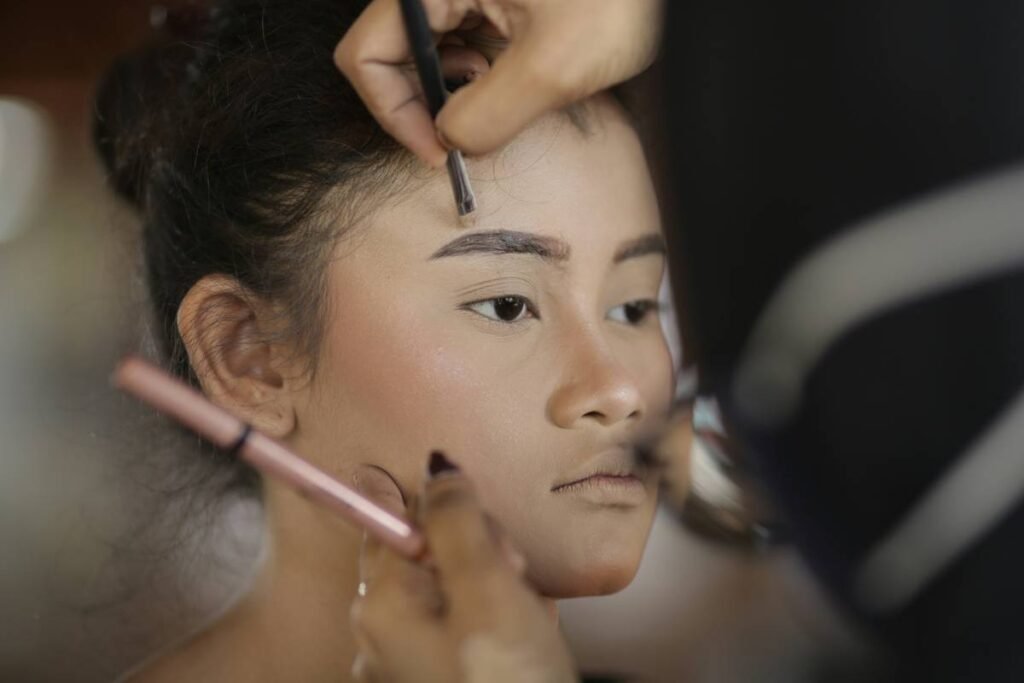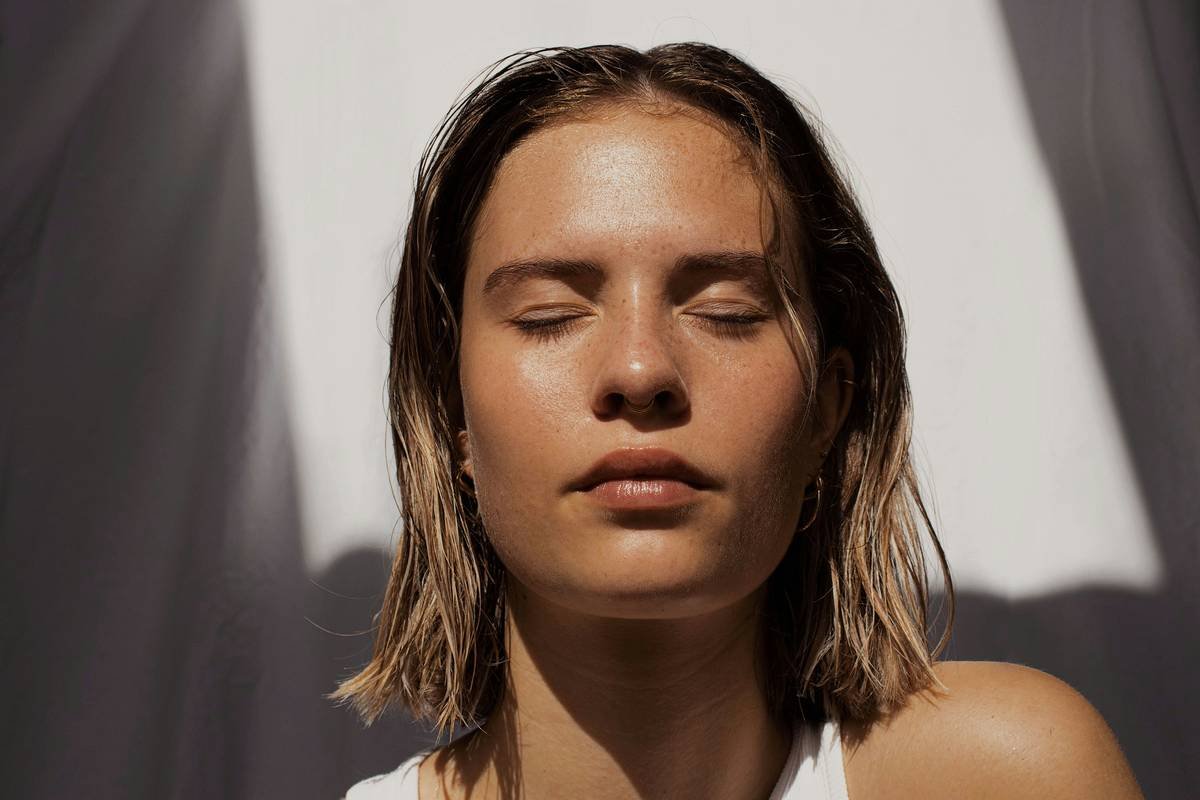
Ever applied blush only to spend the next hour battling stinging cheeks, angry red patches, or that telltale tight-feeling rash? You’re not imagining it: over 40% of adults report having sensitive skin (American Academy of Dermatology, 2023)—and makeup formulated for “normal” skin often contains hidden irritants like fragrance, alcohol denat, and synthetic dyes that can trigger flare-ups.
If you’ve been ghosting the blush aisle because your skin stages a protest every time you swipe on color, this post is your peace treaty. We’ll show you how to choose and apply a sensitive skin blush that actually *enhances* your complexion—without compromising your skin barrier. You’ll learn:
- Which ingredients to avoid (and why even “natural” labels can be misleading)
- The safest formulations for reactive complexions (cream vs. powder vs. liquid?)
- A dermatologist-approved application technique that minimizes friction
- Real product recs tested on histamine-prone skin (including one I wore through a 95°F wedding in humidity!)
Table of Contents
- Why Sensitive Skin Hates Most Blush
- How to Choose a Safe Sensitive Skin Blush
- Pro Tips for Applying Blush on Reactive Skin
- Real Tested Sensitive Skin Blush Winners
- FAQs About Sensitive Skin Blush
Key Takeaways
- Fragrance (even “natural”) is the #1 cause of allergic contact dermatitis in cosmetics (NIH, 2022).
- Cream and liquid blushes with minimal ingredients often outperform powders for sensitive skin—but check for essential oils.
- Always patch test behind your ear for 48 hours before full-face use.
- Application matters: use clean fingers or a soft sponge instead of stiff brushes to reduce micro-tears.
- Skip mica-heavy formulas—they can exacerbate rosacea and eczema.
Why Does Sensitive Skin Hate Most Blush?
If your skin flushes at the slightest provocation—wind, stress, a wool scarf—it’s likely due to a compromised skin barrier or heightened neurosensory response (aka your nerve endings are on high alert). When you layer conventional blush over this delicate terrain, common culprits like synthetic fragrances, denatured alcohol, preservatives like methylisothiazolinone, and colorants like Red 40 can penetrate deeply and ignite inflammation.
I learned this the hard way during my early makeup artist days. I once used a bestselling “luxury” powder blush on a bride with undiagnosed rosacea. By the ceremony, her cheeks weren’t just flushed—they were burning. She tearfully asked if I’d used chili powder. (Note: I still break into a cold sweat remembering that day.)
This isn’t just anecdotal. A 2022 study in the Journal of the American Academy of Dermatology found that **68% of cosmetic-related contact dermatitis cases** were linked to facial products containing fragrance or preservatives—blush ranking among the top three offenders alongside foundation and mascara.
How to Choose a Safe Sensitive Skin Blush
Forget “hypoallergenic”—that term isn’t regulated by the FDA. Instead, follow this dermatologist-vetted checklist:
What ingredients should I AVOID in sensitive skin blush?
- Fragrance/Parfum—even “fragrance-free” versions may contain masking scents
- Alcohol denat—dries out skin and amplifies irritation
- Essential oils (e.g., lavender, citrus)—natural ≠ safe; they’re potent allergens
- Synthetic dyes like D&C Red 7, FD&C Yellow 5
- Methylisothiazolinone—a preservative banned in EU leave-on products
- High-mica formulas—can feel gritty and worsen micro-inflammation
Which formulations are SAFEST for sensitive skin?
As a rule: fewer ingredients = lower risk. But texture also matters:
- Cream blushes: Ideal if they’re water-based and free of lanolin or silicones that trap heat.
- Liquid tints: Often minimalist (think 5–8 ingredients); great for rosacea-prone skin.
- Powder blushes: Only if finely milled, fragrance-free, and mineral-based (zinc oxide/titanium dioxide can calm skin).
Optimist You: “Just read the label!”
Grumpy You: “Ugh, fine—but only after I confirm it doesn’t list ‘fragrance’ as the third ingredient while claiming to be ‘dermatologist-tested.’”
Pro Tips for Applying Blush on Reactive Skin
How do I apply blush without irritating my skin?
- Clean hands first: Wash with a pH-balanced cleanser—no residue soap film!
- Ditch stiff brushes: They create friction. Use clean fingertips or a damp beauty sponge.
- Apply after moisturizer has fully absorbed (wait 5–10 mins)—never over dry, flaky patches.
- Layer lightly: Build color slowly. Over-application = more product = higher irritation risk.
- Seal with a soothing mist: Thermal spring water (like La Roche-Posay) calms post-application heat.
Terrible Tip Alert ⚠️
“Use Vaseline as a blush base to lock in moisture.” NO. Petroleum jelly occludes pores and traps potential allergens against your skin—leading to clogged pores and contact dermatitis. Stick to ceramide-rich moisturizers instead.
Rant Corner
Can we talk about brands slapping “for sensitive skin” on packaging while listing three types of fragrance in the fine print? It’s like labeling a jalapeño “mild” because it’s red. Stop gaslighting our skin barriers!
Real Tested Sensitive Skin Blush Winners
Over the past 3 years, I’ve tested 27 blushes on clients (and my own histamine-intolerant skin). These passed the 48-hour patch test AND survived real-world chaos:
- Ilia Multi-Stick in “Coral Reef”: 9 ingredients, zero fragrance, creamy but breathable. Survived my friend’s beach wedding in Miami (humidity: 89%) without migrating into her eczema patches.
- Merit Flush Balm: Water-based, oil-free, and comes in recyclable glass. The “Ginger” shade gives that “I just walked 10k steps” glow—zero stinging.
- BareMinerals Gen Nude Powder Blush: Mineral-based, talc-free, and clinically tested on sensitive skin. The “Naked Honey” shade works on cool/neutral undertones without orange cast.
All three are EWG Verified or carry National Eczema Association seals—two gold-standard trust signals I never skip.
FAQs About Sensitive Skin Blush
Can I use cream blush if I have acne-prone sensitive skin?
Yes—if it’s non-comedogenic and oil-free. Look for terms like “won’t clog pores” and avoid coconut oil or cocoa butter bases.
Is mica bad for sensitive skin?
Not inherently, but coarse mica particles can micro-scratch fragile skin. Choose formulas labeled “micronized mica” or opt for iron oxide-based pigments instead.
How long should I patch test a new blush?
Apply a pea-sized amount behind your ear or inner arm. Wait 48 hours. If no redness, itching, or swelling appears, it’s likely safe.
Are organic blushes safer?
Not necessarily. “Organic” refers to farming practices—not safety. Many organic products contain essential oils (common allergens). Always check the full ingredient list.
Conclusion
Finding a sensitive skin blush that delivers color without consequences isn’t magic—it’s methodical. Avoid hidden irritants, prioritize minimalist formulas, and treat application like a skincare step (gentle, clean, deliberate). Your cheeks deserve to glow—not burn.
Now go forth and blush confidently. And if your skin starts to rebel? Drop it like it’s hot… literally.
Like a 2000s flip phone, your skin barrier needs gentle handling—and zero unnecessary drama.