Ever applied foundation only to break out in an itchy red rash? Welcome to the club. For those with sensitive skin, finding allergy safe makeup feels like navigating a minefield blindfolded. But here’s the good news: you don’t have to choose between gorgeous glam and skin sensitivity anymore. This ultimate guide will teach you how to find allergen-free makeup, master application techniques for sensitive skin, and avoid products that spell disaster.
Table of Contents
- Why Allergy Safe Makeup Matters
- Step-by-Step Guide to Choosing Allergy Safe Makeup
- Pro Tips for Using Makeup on Sensitive Skin
- Real-Life Success Stories
- FAQs About Allergy Safe Makeup
Key Takeaways
- Look for hypoallergenic labels, fragrance-free formulas, and minimal ingredient lists.
- Patch test every product before committing—no exceptions!
- Layer lightweight products instead of heavy, pore-clogging ones.
- Clean brushes weekly; dirty tools = irritated skin.
Why Allergy Safe Makeup Matters
Did you know that over 50% of people experience some form of skin sensitivity? Yep, according to dermatological studies, half of us are walking around with unpredictable skin reactions. And trust me—I learned this the hard way. Back when I first started experimenting with makeup, I reached for a popular drugstore concealer without checking its ingredients. Fast forward two hours, and my face looked like I’d been stung by bees. Ouch.
The truth is, most mainstream makeup contains harsh chemicals, synthetic fragrances, or comedogenic oils that wreak havoc on delicate skin types. That’s why focusing on allergy safe makeup isn’t just smart—it’s essential if you want both flawless coverage and happy skin.
Step-by-Step Guide to Choosing Allergy Safe Makeup
“Optimist You:” ‘This’ll be easy—I’ll grab something labeled natural!’ “Grumpy You:” ‘Ugh, not all “natural” equals gentle.’
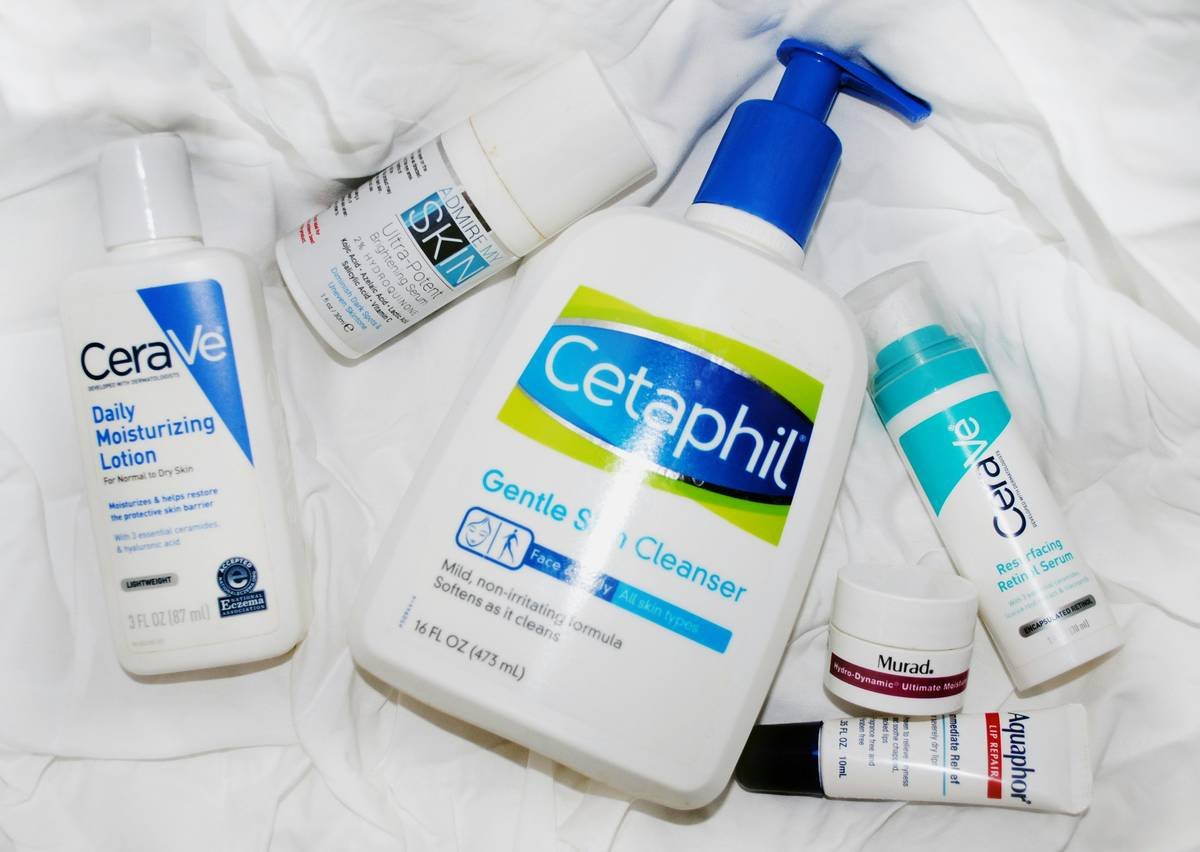
- Start Reading Labels: Ditch anything with parabens, sulfates, alcohol denat., or synthetic dyes. Instead, opt for plant-based oils like jojoba or chamomile extract.
- Prioritize Hypoallergenic Products: While this label doesn’t guarantee zero reactions, it reduces the risk significantly.
- Go Fragrance-Free: Synthetic scents are one of the biggest culprits behind irritation. Skip them entirely.
- Patch Test Before Purchasing: Apply a small amount behind your ear or wrist and wait 48 hours. If no reaction occurs, you’re likely good to go.
- Avoid Thick Formulas: Heavy foundations can clog pores and cause flare-ups. Opt for tinted moisturizers or mineral powders instead.
Pro Tips for Using Makeup on Sensitive Skin
- Prep Your Skin First: Always cleanse and moisturize before applying makeup. Hydrated skin acts as a protective barrier against irritants.
- Less Is More: Don’t overload your skin with layers of products. Stick to essentials like primer, concealer, mascara, and blush.
- Invest in Quality Brushes: Synthetic brushes collect less bacteria compared to animal hair ones, reducing the chance of irritation.
- TERRIBLE TIP ALERT: Thinking about using expired makeup because “it still smells fine”? Terrible idea. Expired products lose their integrity and can harbor harmful bacteria. Toss ’em ASAP.
Real-Life Success Stories
Sarah, a 29-year-old graphic designer from Chicago, struggled for years with cystic acne triggered by her favorite high-end foundation. After switching to allergy safe makeup, she found relief within weeks. She shared her journey online, including photos of her glowing (non-inflamed) complexion post-switch, inspiring thousands of followers.
Another example comes from Rachel, who swears by titanium dioxide-based sunscreens under her makeup. Her combination of sensitive skin and rosacea used to make her wary of even stepping outside—but now, she confidently rocks dewy foundation while protecting her skin.
FAQs About Allergy Safe Makeup
Q: Are vegan brands automatically allergy safe?
A: Not necessarily. Vegan cosmetics avoid animal-derived ingredients but may still contain irritants like essential oils or preservatives.
Q: Can I wear glitter if I have sensitive skin?
A: Proceed with caution. Non-biodegradable glitters often contain plastic particles that scratch the skin. Try cosmetic-grade biodegradable options instead.
Q: What’s better for sensitive skin: cream or powder products?
A: Powders generally sit lighter on the skin and pose fewer risks for clogged pores or irritation.
Conclusion
Navigating the world of allergy safe makeup might seem daunting at first, but armed with these tips, tools, and insights, you’ll transform your beauty routine into a skin-friendly ritual. Remember, always patch test, prioritize gentle formulas, and skip shortcuts like expired products. Happy blending!
Like trying to revive MySpace playlists, patience pays off in skincare. 🎵✨