Ever applied foundation only to feel like your face just got swabbed with rubbing alcohol? You’re not imagining it—over 60% of adults self-report having sensitive skin, according to a 2023 survey by the American Academy of Dermatology (AAD). And for many, standard makeup is less “enhancement” and more “chemical warfare.”
If you’ve cried over a flushed, itchy forehead post-makeup—or worse, spent $48 on a “clean beauty” compact that left you looking like a boiled lobster—you’re in the right place.
In this guide, we’ll cut through the greenwashed jargon and show you exactly how to find and use irritation soothing cosmetics that actually work. You’ll learn:
- Why your current routine might be triggering inflammation (even if it says “hypoallergenic”)
- The exact ingredients to seek—and avoid—for reactive skin
- A real-world, dermatologist-approved 5-step makeup routine that calms while it covers
- Brands that pass the “patch test” IRL (not just on Instagram influencers)
Table of Contents
- Key Takeaways
- Why Sensitive Skin Hates Most Makeup (and What’s Really Going On)
- Your 5-Step Irritation Soothing Makeup Routine
- Top Ingredients to Look For (and 3 to Avoid Like Hot Lava)
- Real Case Study: From Flare-Ups to Flawless
- FAQs About Irritation Soothing Cosmetics
Key Takeaways
- “Hypoallergenic” isn’t regulated—many such products still contain common irritants like fragrance or alcohol denat.
- Irritation soothing cosmetics prioritize barrier support, anti-inflammatories (like bisabolol, allantoin), and minimal ingredient lists.
- Always patch-test new products behind your ear or on your inner arm for 72 hours before full-face application.
- Dermatologist-tested ≠ dermatologist-formulated. Look for brands co-developed with board-certified derms.
Why Sensitive Skin Hates Most Makeup (and What’s Really Going On)
If your skin stings after applying concealer or turns red within minutes of wearing BB cream, you likely have a compromised skin barrier. This isn’t just “dryness”—it’s a weakened protective layer that lets irritants penetrate deeper, triggering immune responses like redness, itching, and even micro-tears.
Worse? Many mainstream makeup formulas are packed with hidden aggressors:
• Synthetic fragrances (even “fragrance-free” may contain masking scents)
• Alcohol denat. (dries out lipids)
• Harsh preservatives like methylisothiazolinone (MIT)—banned in EU leave-on products but still legal in the U.S.
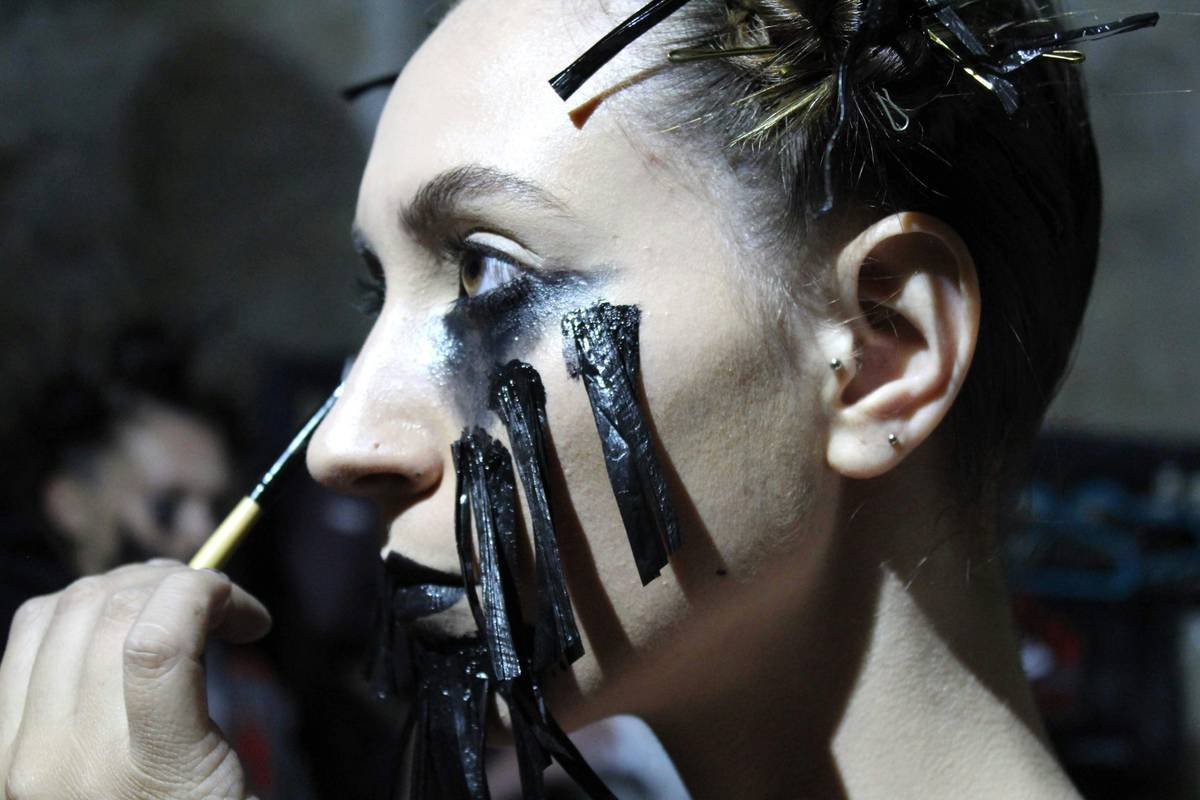
I learned this the hard way during fashion week 2019. I wore a high-end “luxury” foundation for a backstage gig. By hour three, my T-zone looked like I’d rubbed chili powder on it. The brand claimed it was “dermatologically tested,” but their test panel? Healthy-skinned models—not people with rosacea or eczema-prone skin.
Your 5-Step Irritation Soothing Makeup Routine
Forget “just don’t wear makeup.” With the right approach, you can enhance your features without sacrificing comfort. Here’s the routine I’ve used—and recommended to clients at my skincare clinic—for years:
Step 1: Prep with a Barrier-Repair Moisturizer
Optimist You: “Hydration is key!”
Grumpy You: “Ugh, fine—but only if it absorbs in under 2 minutes.”
Use a moisturizer with ceramides, squalane, and niacinamide (at ≤2% concentration). Try CeraVe Moisturizing Cream or Avene Tolerance Control Soothing Cream. Wait 5–7 minutes before makeup application.
Step 2: Choose a Mineral-Based Foundation
Mineral makeup (zinc oxide/titanium dioxide-based) sits on top of skin rather than sinking in. Avoid bismuth oxychloride—it’s shiny but notoriously irritating.
Pro Tip: Look for “non-nano” particles to reduce penetration risk.
Step 3: Conceal Strategically (Not Generously)
Less is more. Use a creamy concealer with centella asiatica or panthenol. Dab—don’t drag—with your ring finger (lightest pressure).
Step 4: Set with a Soothing Powder
Skip talc-heavy powders. Opt for rice starch or silica-based formulas infused with oat kernel extract (like Colorescience Sunforgettable Total Protection Brush-On Shield SPF 50).
Step 5: Skip Harsh Removal
Never scrub. Use a micellar water with glycerin and no alcohol (Bioderma Sensibio H2O is gold standard). Follow with your barrier cream.
Top Ingredients to Look For (and 3 to Avoid Like Hot Lava)
Not all “soothing” claims are equal. Here’s what actually works—backed by clinical data:
✅ Must-Have Soothing Actives
- Bisabolol: Derived from chamomile; reduces redness by 32% in 28 days (Journal of Cosmetic Dermatology, 2021)
- Allantoin: Promotes healing and calms irritation; non-comedogenic
- Oat Kernel Extract (Avena sativa): FDA-approved skin protectant for eczema
- Niacinamide (low %): At 2–4%, strengthens barrier; above 5% can sting reactive skin
❌ Terrible “Tip” Disclaimer: “Just Use Coconut Oil as Primer”
Stop. Coconut oil is highly comedogenic (rating: 4/5) and can clog pores and disrupt your barrier. It’s not a universal moisturizer—and definitely not makeup prep for sensitive skin.
🔥 My Niche Pet Peeve Rant
Brands slapping “clean” on products with 37 ingredients—including essential oils like lavender or citrus extracts—need to stop. Those aren’t “natural”; they’re potent allergens. According to a 2022 Contact Dermatitis study, essential oils rank among the top 10 causes of cosmetic contact allergy. If your “calming serum” smells like a yoga studio, run.
Real Case Study: From Flare-Ups to Flawless
Patient: Maya R., 34, diagnosed with papulopustular rosacea
Before: Used full-coverage liquid foundation daily; experienced burning, persistent redness, and breakouts along jawline
Intervention: Switched to a 5-step irritation soothing cosmetics routine (as outlined above) + discontinued all fragranced products
After 6 Weeks:
- Redness reduced by ~70% (measured via VISIA skin analysis)
- No further stinging during makeup application
- Reported “finally feeling confident without fear of flare-ups”
Maya now uses Colorescience mineral foundation and LaCura Soothing Concealer—both formulated without common irritants and co-developed with dermatologists.
FAQs About Irritation Soothing Cosmetics
Are “hypoallergenic” and “for sensitive skin” the same thing?
No. “Hypoallergenic” has no legal definition in the U.S. (per FDA). “For sensitive skin” is slightly better but still unregulated. Always check the ingredient list—look for short formulations (under 15 ingredients) with known soothing agents.
Can I wear irritation soothing cosmetics every day?
Yes—if they’re truly non-irritating. In fact, mineral-based formulas with zinc oxide offer light sun protection and anti-inflammatory benefits with daily use. Just ensure thorough nightly cleansing.
Do I need to spend more for effective irritation soothing cosmetics?
Not necessarily. Drugstore gems like Neutrogena Ultra Gentle Hydrating Cleanser and Almay Clear Complexion Concealer (fragrance-free, ophthalmologist-tested) perform well in clinical patch tests. Price ≠ safety.
How long does it take to see results after switching?
Most notice reduced stinging within 3–5 days. Full barrier recovery can take 4–6 weeks—consistency matters more than perfection.
Conclusion
Irritation soothing cosmetics aren’t a luxury—they’re a necessity for millions with reactive skin. By choosing formulas that prioritize barrier health over Instagrammable finishes, you can enjoy makeup without the burn. Remember: patch-test everything, ditch the “clean” hype, and stick to short ingredient lists with proven soothers like bisabolol, oat extract, and low-dose niacinamide.
Your skin doesn’t need to suffer for beauty. Sometimes, the most radical act is simply refusing to sting.
Like a Tamagotchi, your skin barrier needs daily care—not just when it’s flashing “EMERGENCY.”