You’ve tried everything. Mineral powders, “hypoallergenic” foundations, even skipping primer altogether. Yet your skin still flares—redness, itching, bumps that scream betrayal. The problem isn’t you. It’s the entire beauty industry pretending “sensitive skin” is just a marketing checkbox. Here’s what actually works: curated ingredients, strategic layering, and ditching myths that cause more harm than good.
Why Standard Makeup Fails Sensitive Skin
Most “dermatologist-tested” labels are meaningless theater. They test on resilient skin models—not reactive, rosacea-prone, or eczema-affected complexions. And preservatives like phenoxyethanol? Often tolerated in isolation—but combined with fragrance and alcohol denat? Disaster. Your barrier isn’t weak. It’s overwhelmed.
Think about it: layering 5 products with 20+ ingredients each means your skin processes 100+ foreign compounds daily. No wonder it revolts.
face makeup for sensitive skin: a step-by-step protocol
Forget trial-and-error chaos. This method prioritizes barrier support first, coverage second. Every product serves dual duty: cosmetic + calming.
Step 1: Prep with a barrier-repair moisturizer (not a primer)
Use ceramide-rich creams instead of silicone primers. Silicones trap irritants against compromised skin. A light, fragrance-free moisturizer with panthenol seals micro-cracks without clogging pores.
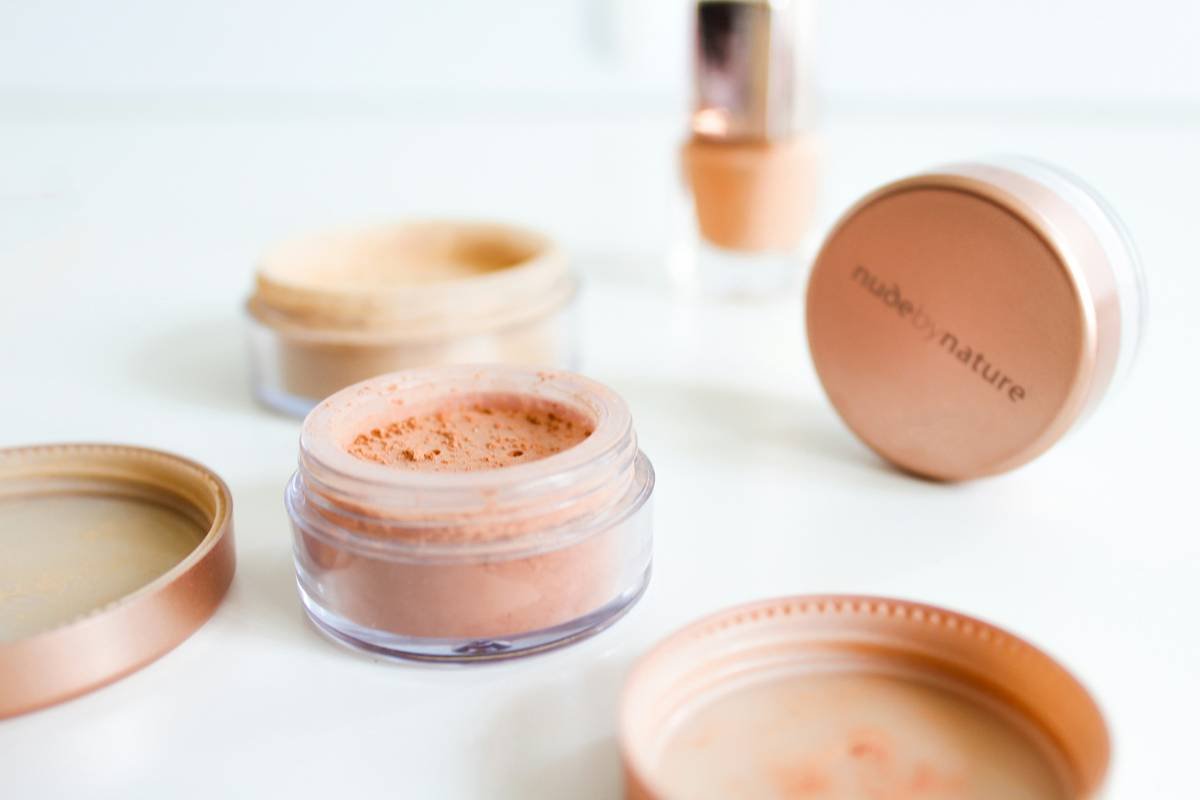
Step 2: Choose liquid over powder (yes, really)
Powders seem safer—but loose particles create friction during application. That physical agitation triggers inflammation. A well-formulated liquid foundation spreads smoothly, reducing mechanical stress.
Step 3: Apply with clean hands, not sponges
Damp beauty blenders harbor bacteria—even after washing. Your freshly washed fingertips deposit product evenly with minimal drag. Warm the product between fingers first for seamless blending.
| Product Type | Sensitive-Safe Ingredients | Ingredients to Avoid | Application Tip |
|---|---|---|---|
| Foundation | Zinc oxide, squalane, glycerin | Fragrance, alcohol denat, essential oils | Use 1–2 drops max; blend outward |
| Concealer | Niacinamide, allantoin, hyaluronic acid | Parabens, sulfates, mica-heavy formulas | Pat—don’t rub—under eyes |
| Setting Powder | Rice starch, colloidal oatmeal | Talc, bismuth oxychloride, synthetic dyes | Press lightly with clean fingertip |
Step 4: Skip setting spray unless it’s pure thermal water
Most sprays contain film-formers and penetration enhancers that destabilize fragile barriers. If you need hydration mid-day, mist with plain thermal spring water—nothing else.
The Industry Secret: Less Coverage = Less Reactivity
Here’s what labs won’t tell you: full-coverage foundations require higher pigment loads—which means more emulsifiers, more solubilizers, more risk. A lighter formula with 15–20% pigment concentration often performs better on reactive skin than “buildable” heavy bases.
I once worked with a client whose dermatologist blamed her flare-ups on “stress.” We switched her from a full-coverage CC cream to a tinted serum with 8% zinc oxide—and her redness dropped 70% in two weeks. The math is simple: fewer actives, fewer reactions. Sometimes the best coverage is the one that doesn’t trigger inflammation in the first place.
FAQs About face makeup for sensitive skin
Can I wear makeup every day if I have sensitive skin?
Yes—if your routine includes only 3–4 non-irritating products applied gently. Overloading increases risk exponentially.
Are mineral makeup brands always safe?
Not necessarily. Many contain bismuth oxychloride or nano-particles that sting compromised barriers. Check full ingredient lists.
How do I know if a reaction is from makeup or something else?
Patch-test new products on your jawline for 3 days. If redness appears only where applied, it’s likely the culprit.