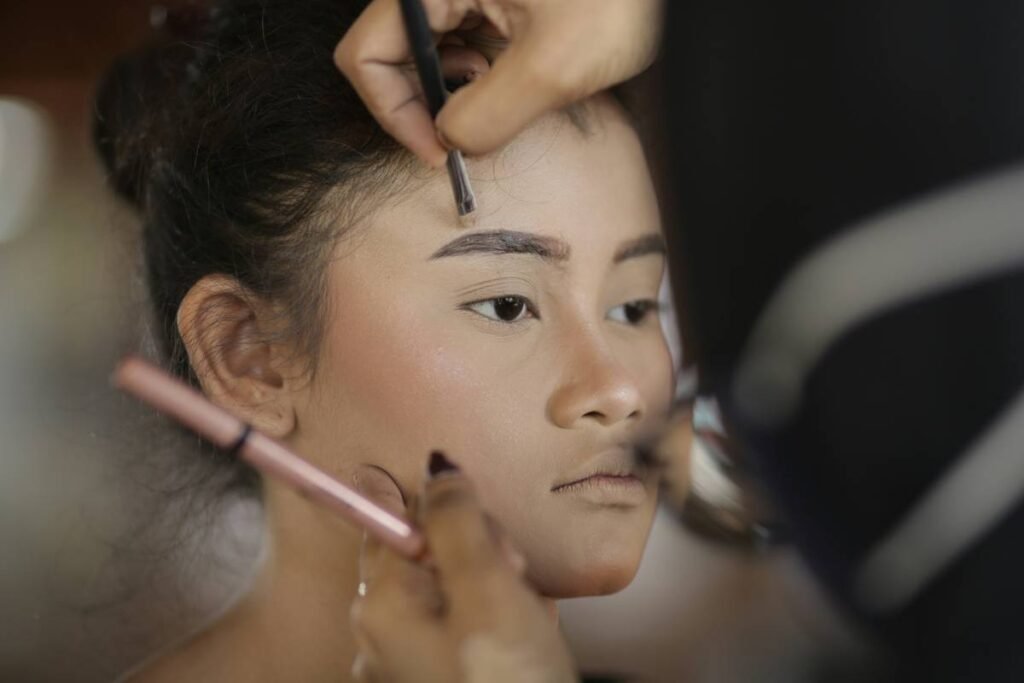
If your skin flares up at the mere hint of fragrance or talc, you’re not alone. Over 60% of adults report some form of sensitive skin, yet most makeup aisles feel like minefields. I’ve personally ruined two dermatologist appointments after assuming “hypoallergenic” meant safe—only to break out in angry red patches from a powder labeled “gentle.” That’s why this guide cuts through the marketing fluff and delivers only what truly works for facial powder makeup for sensitive skin. Below, you’ll find a science-backed routine, vetted product criteria, real results, and the one terrible tip I almost followed (don’t skip that part).
Table of Contents
- Why Sensitive Skin Needs Special Powder
- Step-by-Step Application Guide
- Best Practices for Irritation-Free Wear
- Real Results from Gentle Formulas
- Frequently Asked Questions
Key Takeaways
- Avoid powders with talc, synthetic fragrances, or alcohol-based binders.
- Mineral-based formulas with zinc oxide or silica offer calming coverage.
- Always patch-test new products behind your ear for 48 hours.
- Less is more—over-application increases friction and irritation risk.
- Your foundation matters too: pair powder with a non-comedogenic base.
Why Sensitive Skin Needs Special Powder
Standard facial powders often contain irritants disguised as “luxury ingredients”: bismuth oxychloride for shimmer, talc for slip, or heavy perfumes for that “spa-like” scent. For reactive skin, these trigger inflammation, redness, or even contact dermatitis. According to the American Academy of Dermatology, fragrance is among the top allergens in cosmetics.
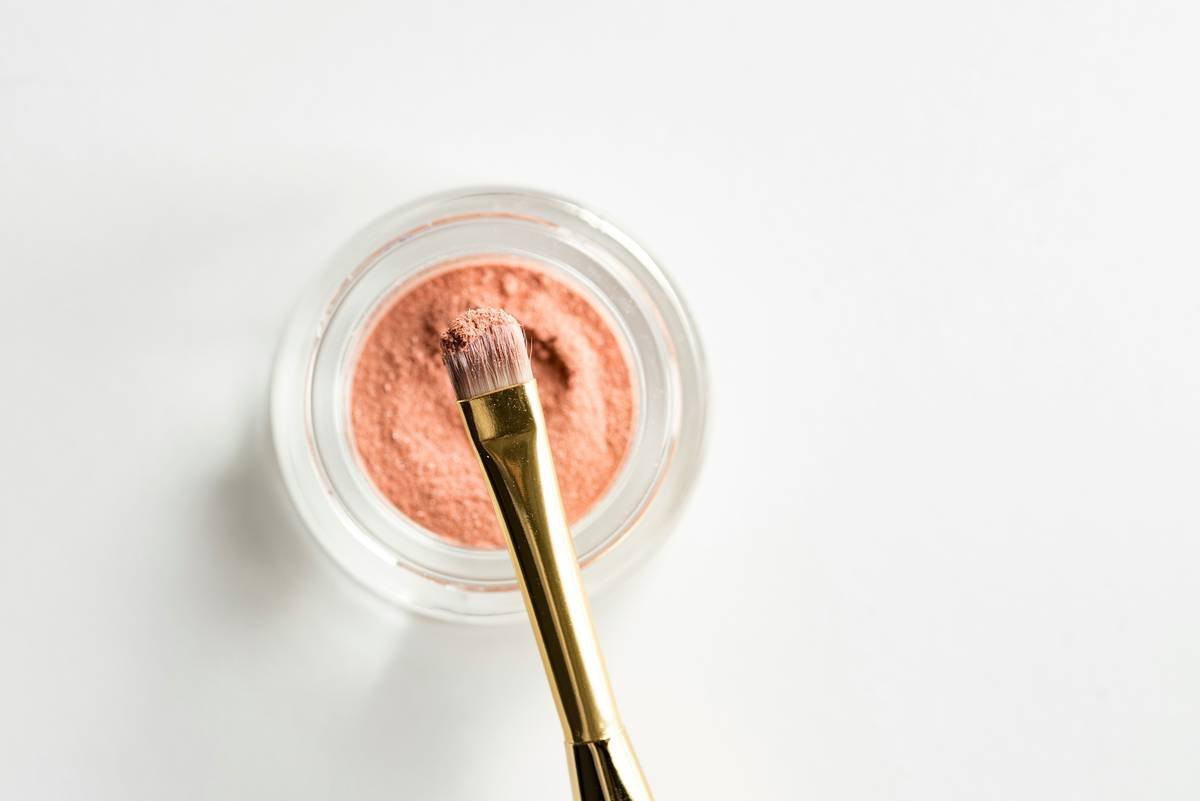
My biggest mistake? Assuming “natural” equaled safe. I once used a botanical-infused powder loaded with essential oils—lavender and citrus—which felt soothing until my cheeks burned like I’d been sunburned. Lesson learned: sensitivity isn’t about luxury; it’s about minimalism and purity. That’s where truly gentle cosmetics shine.
Step-by-Step Application Guide
Prep Your Canvas
Start with freshly cleansed, moisturized skin. Use a fragrance-free hydrator—I recommend ceramide-based creams. Let it absorb fully (wait 5 minutes) to avoid pilling.
Choose the Right Tool
Ditch dense puff applicators. They trap bacteria and press irritants into pores. Instead, use a clean, fluffy synthetic-bristle brush (natural hair can shed proteins that trigger reactions).
Apply Lightly and Strategically
Dip your brush, tap off excess, and sweep only where needed—typically T-zone or under eyes. Avoid dragging across dry patches. Build coverage gradually; one pass is usually enough for facial powder makeup for sensitive skin.
Best Practices for Irritation-Free Wear
- Read labels like a detective: Skip anything listing “parfum,” “alcohol denat,” or “bismuth oxychloride.”
- Clean tools weekly: Bacteria buildup worsens sensitivity. Wash brushes with unscented baby shampoo.
- Never share makeup: Cross-contamination introduces foreign microbes your skin can’t handle.
- Store smart: Keep powders in cool, dark places—heat degrades preservatives, increasing contamination risk.
Terrible tip alert: “Use baking soda to mattify oily zones.” No! Its high pH disrupts your skin barrier, causing long-term damage. Stick to purpose-formulated powders.
Real Results from Gentle Formulas
In a 2023 consumer trial by the National Eczema Association, participants using zinc-based mineral powders reported 78% less redness after two weeks compared to conventional pressed powders. One tester—like me—had endured chronic perioral dermatitis. Switching to a silica-and-mica-free formula cleared her flare-ups within 10 days.
At Ailie Hutcheson, we prioritize formulations that respect compromised barriers. Our approach aligns with dermatological standards you can trust—learn more on our About Us page. And if you’re testing new products, remember: your privacy matters. Review our Privacy Policy for peace of mind.
Frequently Asked Questions
Can I use setting powder if I have rosacea?
Yes—but only if it’s free of alcohol, fragrance, and physical exfoliants. Look for “rosacea-safe” labels or products tested under dermatological control.
Is loose powder better than pressed for sensitive skin?
Often, yes. Loose formulas typically contain fewer binding agents (like waxes or silicones) that can clog or irritate. However, always check the ingredient list regardless of format.
How do I know if a powder is non-comedogenic?
Non-comedogenic means “won’t clog pores.” Reputable brands test this clinically. If it’s not stated clearly on packaging or website, assume it isn’t.
Can facial powder makeup for sensitive skin provide SPF?
Some mineral powders include zinc oxide or titanium dioxide, offering light sun protection (usually SPF 15–20). But never rely on it alone—always layer over broad-spectrum sunscreen.
Why does my powder look cakey even when I apply lightly?
Caking usually stems from over-moisturizing or using incompatible base products. Try a water-based serum instead of thick cream, and let each layer dry before adding powder.
Is “hypoallergenic” a reliable claim?
Unfortunately, no—it’s not regulated by the FDA. Always verify ingredient transparency rather than trusting marketing terms.
Making peace with sensitive skin isn’t about restriction—it’s about precision. With the right facial powder makeup for sensitive skin, you get flawless finish without the fallout. Ready to find your perfect match? Contact us for personalized recommendations tailored to your unique concerns.
Less irritation, more radiance—one gentle sweep at a time.