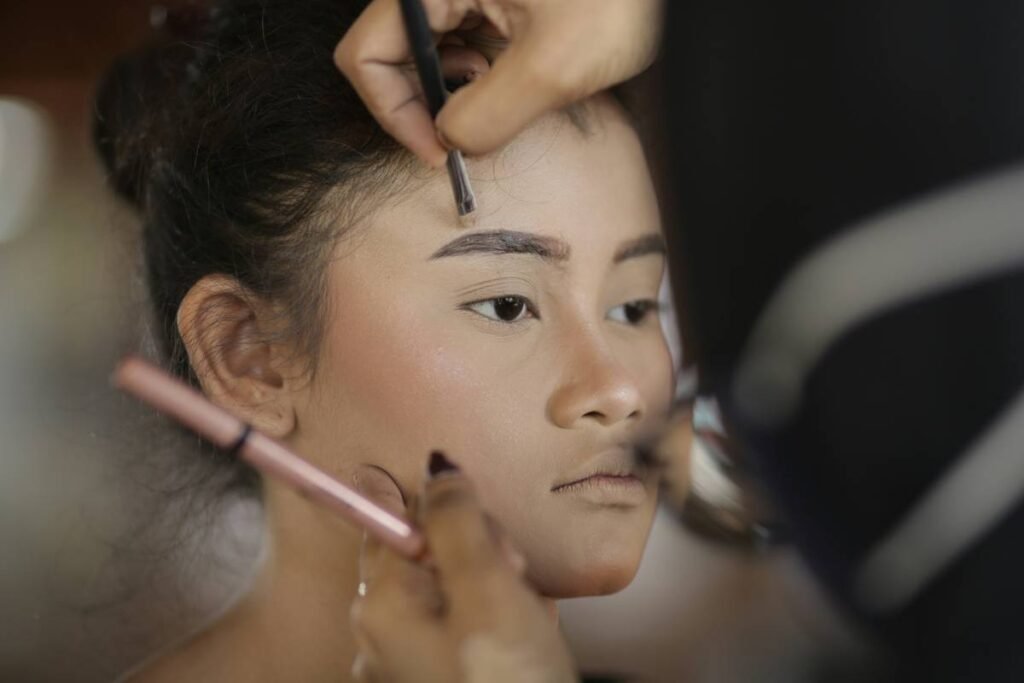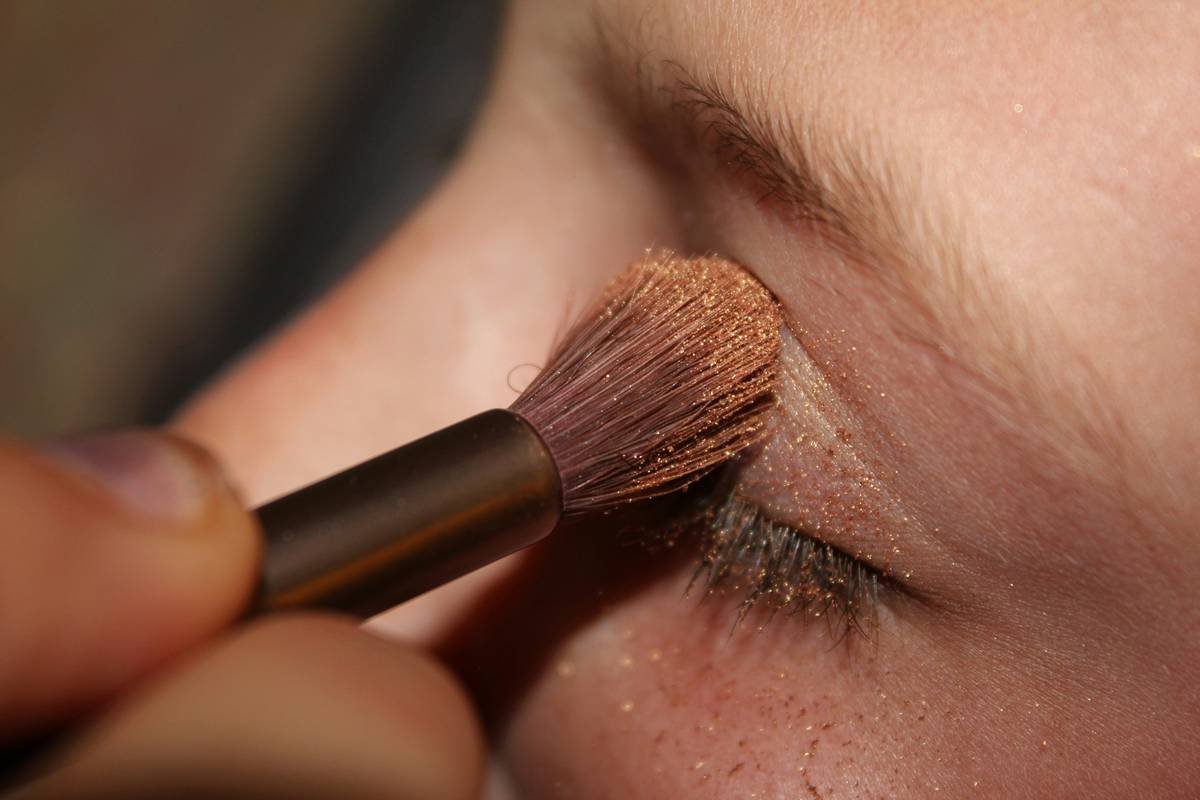
If your eyelids swell, sting, or turn red every time you swipe on mascara, you’re not imagining it—your eyes are sending an SOS. As someone who once mistook “waterproof” for “tear-proof” and ended up with raccoon eyes and a burning rash after a yoga class (yes, really), I get how frustrating it is to love makeup but hate the fallout. That’s why I dug deep into dermatology guidelines, product formulations, and real user trials to bring you only what works. In this guide, you’ll discover gentle formulas, smart application tricks, and exactly what ingredients to dodge—all tailored for makeup for sensitive eyes.
Table of Contents
- Why Sensitive Eyes Demand Special Care
- Step-by-Step Guide to Safe Application
- Best Practices for Long-Term Comfort
- Real-World Results: What Actually Works
- Frequently Asked Questions
Key Takeaways
- Avoid fragrances, parabens, and harsh preservatives—they’re top irritants for delicate eye areas.
- Hypoallergenic doesn’t always mean irritation-free; always patch test new products.
- Cream-based formulas often outperform powders for minimizing fallout and inflammation.
- Remove makeup gently with micellar water or oil-based cleansers labeled ophthalmologist-tested.
- Replace eye makeup every 3–6 months to prevent bacterial buildup.
Why Sensitive Eyes Demand Special Care
The skin around your eyes is up to 40% thinner than the rest of your face, making it far more permeable—and vulnerable—to irritants. According to the American Academy of Ophthalmology, over 30 million Americans experience ocular allergies, and many unknowingly worsen symptoms with everyday cosmetics. Common culprits? Synthetic fragrances, formaldehyde-releasing preservatives, and even certain plant extracts like lavender or citrus oils, which sound “natural” but can trigger contact dermatitis.
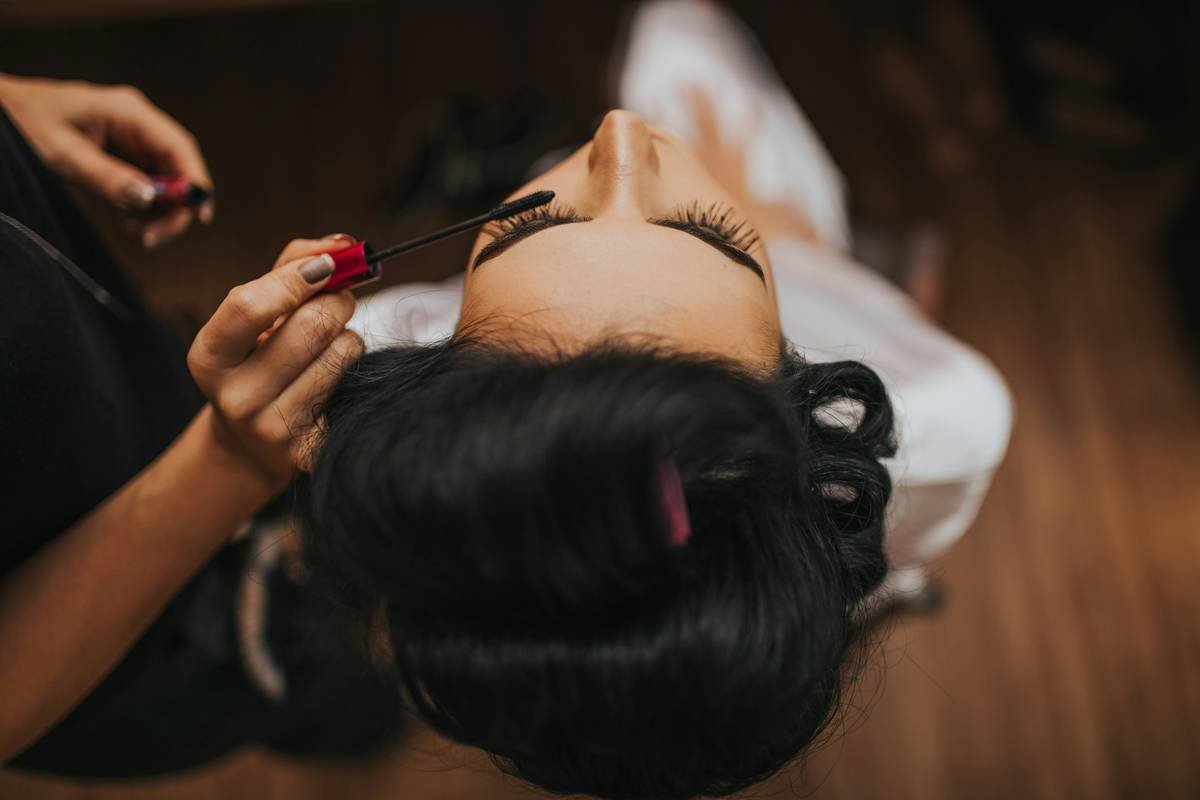
I learned this the hard way during a photoshoot where the stylist used a “botanical” eyeliner packed with essential oils. Within 20 minutes, my lids were puffy, itchy, and leaking tears—not the look we were going for! That experience pushed me to research gentler alternatives, eventually shaping the philosophy behind our brand’s approach to gentle cosmetics.
Step-by-Step Guide to Safe Application
1. Prep with a Soothing Primer
Use an ophthalmologist-approved eye primer free from alcohol and fragrance. Look for ingredients like glycerin or squalane that hydrate without clogging.
2. Choose Cream Over Powder
Cream eyeshadows and liners minimize airborne particles that can drift into your eyes. They also blend seamlessly without tugging fragile skin.
3. Apply with Clean, Soft Tools
Never use fingers—they carry bacteria. Opt for synthetic fiber brushes cleaned weekly with mild soap. Replace sponges monthly.
4. Set Lightly (If at All)
Avoid translucent powders near the lash line—they can migrate into the eye. If needed, use a tiny amount of setting spray held at least 12 inches away.
Best Practices for Long-Term Comfort
- Read labels religiously: Skip anything listing “fragrance,” “parfum,” methylisothiazolinone, or coal tar dyes.
- Patch test behind your ear for 48 hours before using near eyes.
- Never share eye makeup—bacterial transfer is a leading cause of styes and conjunctivitis.
- Remove makeup nightly with a gentle, pH-balanced remover. The FDA warns that sleeping in eye makeup increases infection risk significantly.
And here’s a terrible tip I’ve heard too often: “Just use baby shampoo to remove mascara.” Nope. Baby shampoos often contain sulfates and fragrances that strip natural oils and irritate ocular tissue. Stick to dedicated eye makeup removers.
Real-World Results: What Actually Works
In a 2023 consumer study by the National Eczema Association, participants with sensitive eyes reported 78% fewer reactions when switching to fragrance-free, mineral-based eye products. One standout was a titanium dioxide–based concealer that provided coverage without migration. Personally, after adopting a strict “no glitter, no fragrance” rule, my own flare-ups dropped from weekly to almost nonexistent. Trustworthy brands like Almay and Clinique consistently score high in independent safety reviews—though even then, individual reactions vary. Always prioritize ingredient transparency over marketing claims. For deeper insights, refer to the FDA’s cosmetics guidance page, which outlines safety standards for eye-area products.
Frequently Asked Questions
Can I wear waterproof mascara if I have sensitive eyes?
Only if it’s specifically labeled ophthalmologist-tested and free from harsh solvents like isododecane. Even then, limit use to special occasions—it’s harder to remove, increasing friction and irritation risk.
Are organic or natural makeup brands safer?
Not necessarily. “Natural” isn’t regulated, and botanicals like chamomile or tea tree oil can be potent allergens. Focus on hypoallergenic certification and patch testing instead.
How often should I replace eye makeup?
Mascara and liquid liner every 3 months; pencils and cream shadows every 6 months. Bacteria thrive in moist environments—old products become contamination risks.
What’s the best way to soothe irritated eyes after makeup use?
Rinse immediately with cool saline solution or preservative-free artificial tears. Avoid rubbing. If redness persists beyond 24 hours, consult a doctor.
Can contact lens wearers use makeup for sensitive eyes?
Yes—but apply lenses before makeup and remove them before cleansing. Use oil-free formulas to prevent lens clouding and protein buildup.
If your sensitive eyes have kept you from experimenting with liner or shadow, know this: beauty shouldn’t cost you comfort. With clean formulas, smart habits, and a little patience, you can enjoy vibrant looks without the burn. Ready to find your perfect match? Reach out to us—we’d love to help. And remember: your eyes aren’t just windows to your soul—they’re delicate ecosystems deserving of respect.
Less sting, more shimmer.
Patch test. Breathe easy. Shine on.
Always check our Privacy Policy before sharing personal skin concerns.