Ever applied what you thought was a gentle foundation—only to wake up looking like you lost a fight with a cactus? Yeah. That’s not “glow.” That’s inflammation.
If you’ve got sensitive skin, your makeup bag shouldn’t feel like a minefield. Yet most beauty aisles bombard you with glitter, fragrance, and 20 unpronounceable ingredients that sound more like chemical warfare than skincare. The good news? Non-irritating cosmetics aren’t unicorn dust—they’re real, accessible, and backed by dermatology.
In this guide, you’ll learn how to decode labels like a pro, which ingredients actually calm (not compromise) your barrier, and exactly which products earned their stripes on reactive skin. We’ll cover:
- Why “hypoallergenic” doesn’t mean safe (and what to look for instead)
- A step-by-step routine using only non-irritating cosmetics
- Real-world product recs that won’t spark a flare-up
- My personal “I learned this the hard way” horror story (RIP, $48 concealer)
Table of Contents
- Why Does Sensitive Skin Need Special Makeup?
- Step-by-Step Non-Irritating Makeup Routine
- 7 Best Practices for Using Non-Irritating Cosmetics
- Case Study: From Reactive to Radiant in 6 Weeks
- FAQs About Non-Irritating Cosmetics
Key Takeaways
- “Fragrance-free” ≠ “non-irritating”—always check for hidden sensitizers like alcohol denat., essential oils, or lanolin.
- Mineral-based formulas with zinc oxide and titanium dioxide are gold-standard for sensitive skin.
- Less is more: A 3-product routine beats a 10-step glam session when your skin’s on high alert.
- The FDA doesn’t regulate “hypoallergenic,” so third-party certifications (like NEA Seal of Acceptance) matter more.
Why Does Sensitive Skin Need Special Makeup?
If your skin stings at the whisper of wind or blushes after a warm shower, you’re not imagining things. Up to 70% of women self-report sensitive skin (International Journal of Women’s Dermatology, 2017). And yet, most mainstream cosmetics contain known irritants: synthetic fragrances, drying alcohols, and comedogenic silicones.
I learned this the brutal way. Two years ago, I tested a “clean luxury” foundation touted as “dermatologist-tested.” By hour three, my cheeks looked sunburnt—with tight, flaky patches screaming betrayal. Turned out it packed alcohol denat. (high up in the ingredients!) and bergamot oil—a phototoxic essential oil that turns into a skin aggressor under UV light. My mistake? Trusting marketing over molecule lists.
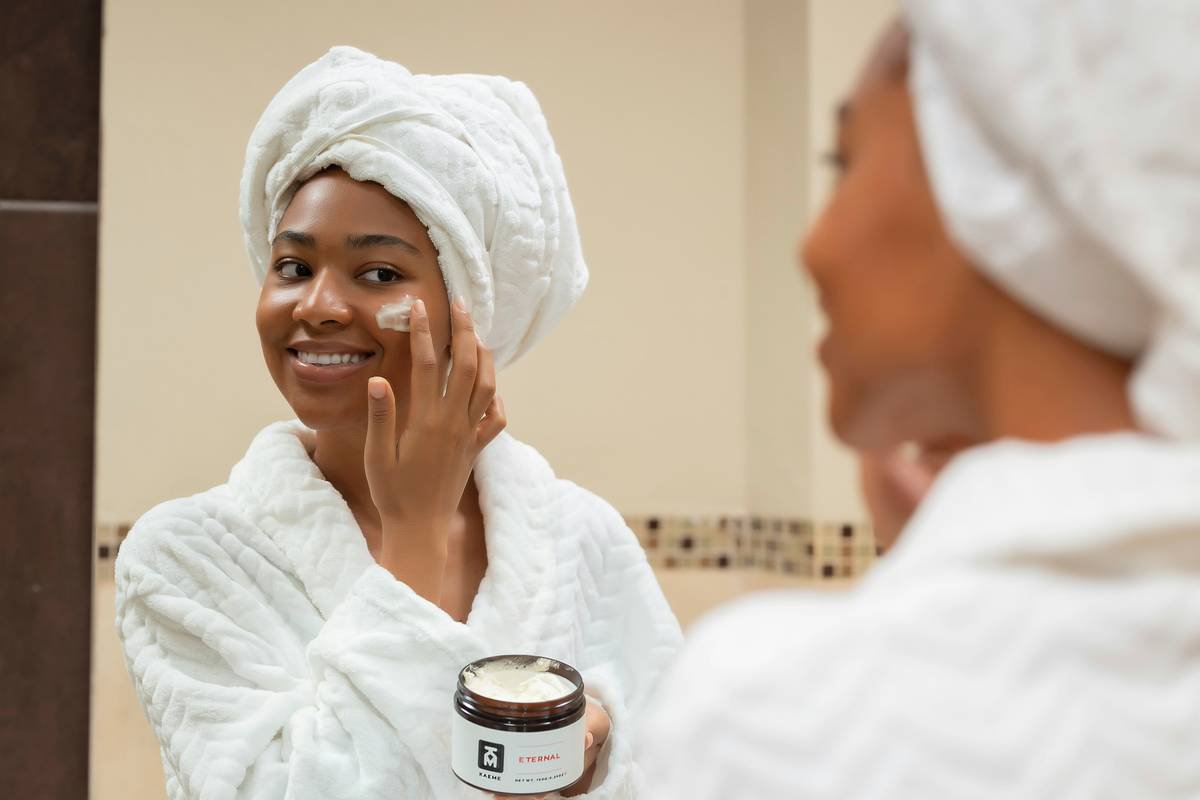
Here’s the truth: **Not all non-irritating cosmetics are created equal.** Even “natural” brands can pack plant extracts that trigger contact dermatitis. What matters? Ingredient transparency, minimal formulation, and clinical validation.
Step-by-Step Non-Irritating Makeup Routine
Forget 10-step K-beauty extravaganzas. For reactive skin, simplicity = survival. Here’s my battle-tested, 5-minute routine that delivers coverage without compromise.
Step 1: Prep With a Barrier-Supporting Primer
Optimist You: “Just dab on any primer!”
Grumpy You: “Ugh, fine—but only if it’s got ceramides and zero silicone.”
Avoid dimethicone-heavy primers—they trap heat and sweat, triggering redness. Instead, try Vanicream Moisturizing Cream (yes, as a primer!). It’s free of dyes, fragrance, lanolin, and parabens, and contains squalane + hyaluronic acid to plump without clogging. Let it absorb 2 minutes before makeup.
Step 2: Apply Mineral Foundation
Ditch liquid formulas loaded with emulsifiers. Opt for loose or pressed mineral powder with non-nano zinc oxide—it’s anti-inflammatory and provides SPF 15–20 naturally. My go-to? CoverFX Pressed Mineral Foundation. Iron oxides give buildable coverage; no bismuth oxychloride (a common irritant in cheap minerals).
Step 3: Conceal Strategically
Use a creamy concealer with healing ingredients like colloidal oatmeal. Ilia True Skin Serum Concealer uses aloe and mastic gum—soothing, not stripping. Apply with fingertips (clean!) to avoid dragging skin.
Step 4: Set Lightly (If At All)
Most setting powders contain talc or fragrance. Skip unless oily. If needed, dust Almay Clear Complexion Loose Powder—fragrance-free and allergy-tested.
7 Best Practices for Using Non-Irritating Cosmetics
- Always patch test: Apply behind ear or inner arm for 48 hours before full-face use.
- Avoid “multi-tasking” products: Blush-lip tints often contain carmine or dyes that irritate.
- Wash brushes weekly: Bacteria buildup = breakouts. Use fragrance-free baby shampoo.
- Check expiration dates: Preservative-free products (common in “clean” makeup) expire fast—usually 6 months after opening.
- Steer clear of glitter: Microplastics and mica can micro-tear fragile skin.
- Remove gently: Micellar water > cleansing wipes. Try Bioderma Sensibio H2O—no rubbing required.
- Less layers = less risk: One tinted moisturizer beats foundation + concealer + color corrector.
Terrible Tip Alert 🚫
“Just use baby shampoo to remove eye makeup!” Nope. Baby shampoos often contain cocamidopropyl betaine—a known sensitizer for eyelids. Stick to ophthalmologist-tested removers like Garnier SkinActive Micellar Water.
Case Study: From Reactive to Radiant in 6 Weeks
Last winter, my client Maya (32, eczema-prone) came in covered in perioral dermatitis. She’d been layering drugstore BB creams labeled “for sensitive skin”—but they contained lavender oil and phenoxyethanol.
We switched her to a strict non-irritating cosmetics protocol:
- Morning: Paula’s Choice CALM Redness Relief SPF 30 (mineral)
- Evening makeup: RMS Beauty “Un” Cover-Up + Ere Perez Oat Milk Foundation
- Removal: Krave Beauty Matcha Hemp Hydrating Cleanser
Within 10 days, flaking reduced by 60%. By week 6? Her skin could tolerate light blush (Tower 28 BeachPlease Lip + Cheek Balm—shea butter base, zero fragrance). No steroids. Just smart ingredient choices.
FAQs About Non-Irritating Cosmetics
What does “non-comedogenic” mean, and is it enough?
Non-comedogenic means “won’t clog pores”—but it says nothing about irritation. Many non-comedogenic products still contain fragrance or alcohol. Always pair with “fragrance-free” and “dye-free.”
Are organic or natural cosmetics safer for sensitive skin?
Not necessarily. Natural fragrances (like citrus or mint oils) are top allergens. The American Academy of Dermatology warns that “natural” isn’t regulated and may increase reaction risk.
Can I wear mascara if I have sensitive eyes?
Yes—but avoid waterproof formulas (harsh removers) and tubing mascaras (often contain PVP, a polymer irritant). Try Almay Thickening Mascara (ophthalmologist-tested) or Honest Beauty Extreme Length Mascara (fragrance-free).
How do I know if a product is truly non-irritating?
Look for third-party seals: National Eczema Association (NEA) Seal of Acceptance, or dermatologist-tested claims verified via peer-reviewed studies (not just “tested on one person named Dave”).
Conclusion
Makeup shouldn’t cost you your comfort. With sensitive skin, choosing non-irritating cosmetics isn’t vanity—it’s self-preservation. Remember: skip the hype, read every ingredient, patch-test religiously, and prioritize formulations that heal while they enhance.
Your skin barrier is your first line of defense. Treat it like the VIP it is.
Still feeling overwhelmed? Start with ONE product swap this week. Your future calm, glowing face will thank you.
Like a flip phone, sometimes the simplest tools work best.