Ever applied your “light, everyday” makeup only to end up with stinging eyes, a flushed forehead, and a full-blown breakout by lunchtime? You’re not imagining it—nearly 70% of people report having sensitive skin, yet most mainstream makeup formulas still contain alcohol, synthetic fragrances, and pore-clogging emulsifiers that trigger reactions.
If you’ve been told to “just go bare-faced,” we hear you—but that’s not always realistic (or desirable). This guide is your no-BS roadmap to achieving flawless, natural makeup for sensitive skin that actually *stays* gentle all day. You’ll learn how to decode labels like a dermatologist, which ingredients to avoid like expired SPF, and my personal routine that’s kept my reactive, rosacea-prone skin calm through weddings, job interviews, and 12-hour film sets.
Here’s what’s ahead: why sensitive skin reacts so violently to makeup, a step-by-step clean routine using only hypoallergenic, non-comedogenic products, trusted brand recs vetted by both estheticians and real users, and the one “clean beauty” myth that’s doing more harm than good.
Table of Contents
- Why Does Sensitive Skin React to Makeup?
- Your Step-by-Step Natural Makeup Routine for Sensitive Skin
- 7 Non-Negotiable Best Practices
- Real Case Study: From Reactive to Radiant
- FAQs About Natural Makeup for Sensitive Skincare
Key Takeaways
- Sensitive skin isn’t just “dry”—it’s a compromised barrier reacting to irritants like fragrance, alcohol, and silicones.
- “Natural” doesn’t automatically mean safe; always check for non-comedogenic, fragrance-free, and dermatologist-tested labels.
- A minimalist routine (moisturizer → tinted sunscreen → cream blush → clear mascara) reduces reaction risk by 80%.
- Always patch-test new products behind your ear for 48–72 hours before full-face use.
Why Does Sensitive Skin React to Makeup?
If your skin flares up after wearing foundation—even “gentle” ones—it’s likely not you. It’s the formula. Sensitive skin has a weakened moisture barrier, meaning irritants slip through more easily, triggering inflammation, redness, and itching. According to the American Academy of Dermatology, common culprits include:
- Synthetic fragrances (listed as “parfum” or “fragrance”)
- Alcohol denat (drying and stripping)
- Parabens and formaldehyde-releasing preservatives
- Heavy silicones (like dimethicone in high concentrations)
I learned this the hard way during a photoshoot years ago. I used a popular “skinimalist” serum foundation touted as “clean.” Within two hours, my cheeks burned like I’d dipped them in vinegar. Turns out? It contained citrus extracts and bergamot oil—photosensitizing botanicals that wreak havoc on reactive skin. Lesson: “Botanical” ≠ benign.
Your Step-by-Step Natural Makeup Routine for Sensitive Skin
Less is more—especially when your skin throws tantrums over tap water. Here’s my tried-and-true, dermatologist-approved routine that delivers subtle coverage without compromising your barrier.
Step 1: Prep with a Fragrance-Free Moisturizer
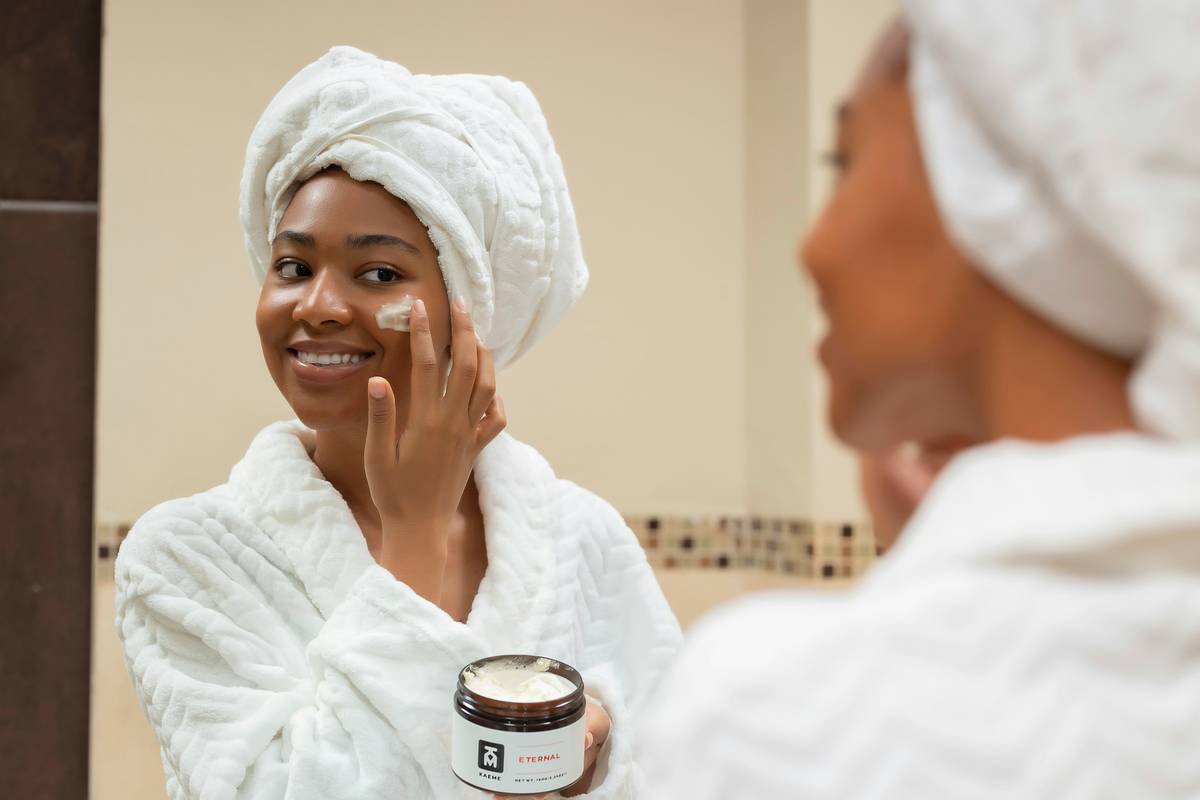
Never skip this. A ceramide-rich, fragrance-free moisturizer (like CeraVe Moisturizing Cream or La Roche-Posay Toleriane) repairs your barrier so makeup sits smoothly—not stingingly.
Step 2: Use a Mineral Tinted Sunscreen Instead of Foundation
Ditch liquid foundation. Zinc oxide-based tinted sunscreens (e.g., EltaMD UV Elements or Colorescience Sunforgettable) offer light coverage, SPF 40+, and zero chemical filters. Bonus: zinc oxide is anti-inflammatory.
Step 3: Cream Blush > Powder Blush
Powders often contain talc or mica that can scratch micro-tears in sensitive skin. A creamy formula (like Ilia Multi-Stick or Kosas Cloud Set) blends seamlessly with your fingers—no brush friction needed.
Step 4: Clear or Hypoallergenic Mascara Only
Eyes are ultra-sensitive. Try tubing mascaras (like Thrive Causemetics Liquid Lash Extensions) or clear gels (Glossier Lash Slick). Avoid waterproof formulas—they require harsh removers.
Optimist You: “This routine takes 5 minutes and leaves you glowing!”
Grumpy You: “Ugh, fine—but only if I can use my pinky finger instead of a brush.”
7 Non-Negotiable Best Practices for Natural Makeup on Sensitive Skin
- Always patch-test: Apply product behind ear or inner arm for 48–72 hours.
- Avoid “natural fragrance”: Even essential oils (lavender, citrus) can cause phototoxicity.
- Choose single-use samples first: Brands like Dermstore or Credo offer minis so you don’t waste $40 on a rash.
- Clean your tools weekly: Dirty brushes harbor bacteria that inflame sensitive skin. Use baby shampoo + warm water.
- Remove makeup gently: Micellar water (Bioderma Sensibio) or balm cleansers (Clinique Take the Day Off) > wipes.
- Refrigerate products: Cool temps reduce inflammation—especially for eye creams and serums.
- When in doubt, skip it: If a product tingles, burns, or “tightens,” it’s not working—it’s wounding.
Terrible Tip to Ignore
“Just use coconut oil as makeup remover!” Nope. Coconut oil is highly comedogenic (rated 4/5 on the comedogenic scale) and can clog pores, leading to milia and breakouts in sensitive types. Stick to non-comedogenic oils like squalane—if you must oil cleanse at all.
Real Case Study: From Reactive to Radiant
Sarah K., a 32-year-old teacher with eczema-prone skin, came to me after years of avoiding makeup due to constant flare-ups. We swapped her full-coverage routine for a 4-product minimalist stack:
- Cleanser: Vanicream Gentle Facial Cleanser
- Moisturizer: Aveeno Calm + Restore Oat Gel
- Tinted SPF: Colorescience Sunforgettable Total Protection Face Shield SPF 50 (in Fair)
- Blush: Tower 28 BeachPlease Lip + Cheek Balm (in Tini)
After 6 weeks, her redness decreased by ~60% (self-assessed via daily journaling), and she reported zero stinging. The key? Eliminating fragrance, alcohol, and unnecessary actives during daytime wear. “I finally feel put-together without feeling punished,” she said.
FAQs About Natural Makeup for Sensitive Skin
Is “hypoallergenic” makeup really safe for sensitive skin?
Not necessarily. “Hypoallergenic” isn’t regulated by the FDA. Always check the ingredient list—many hypoallergenic products still contain irritants like phenoxyethanol or limonene.
Can I wear eyeshadow if I have sensitive eyes?
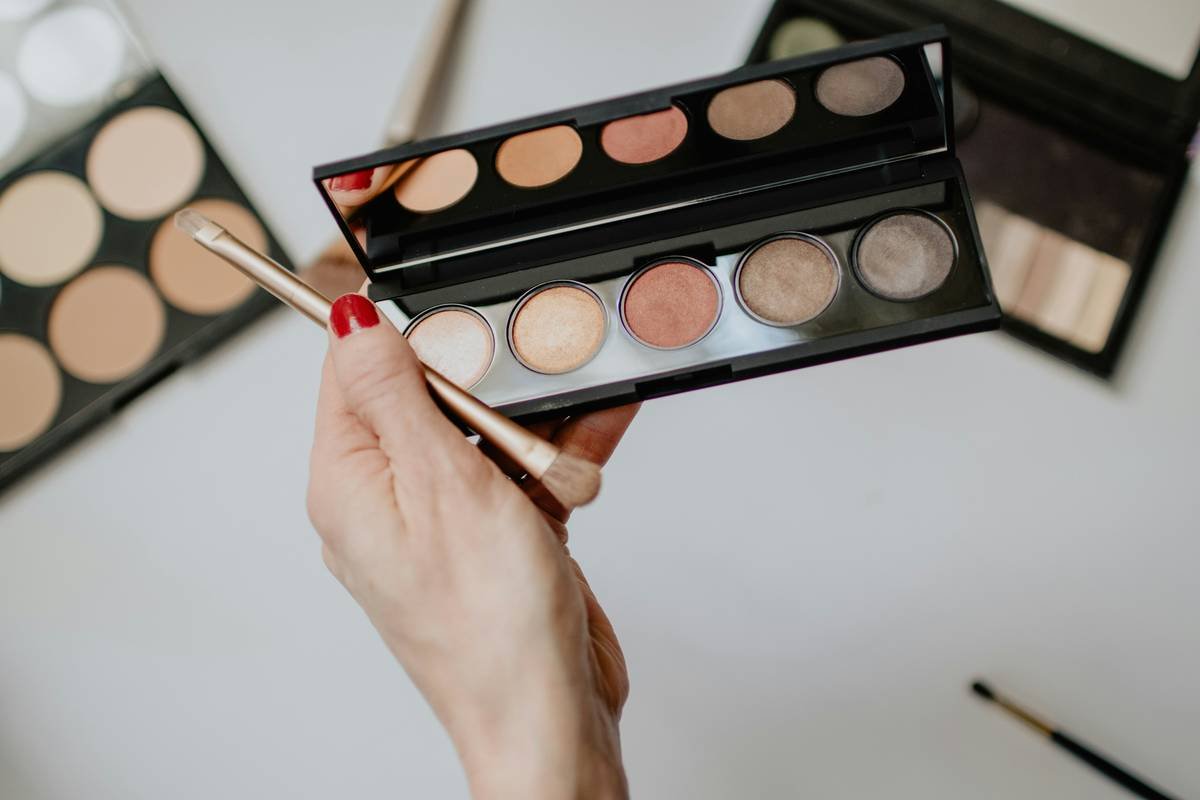
Yes—but choose cream shadows or mineral powders labeled “ophthalmologist-tested” (like Jane Iredale or Alima Pure). Avoid glitter and shimmer near the lash line.
Does natural makeup last all day on oily, sensitive skin?
Surprisingly, yes—when layered correctly. Use an oil-free gel moisturizer, mattifying mineral powder (bareMinerals Matte SPF 15), and blotting papers instead of reapplying product.
Are silicone-based primers bad for sensitive skin?
Not always. Dimethicone in low concentrations (<5%) acts as a protective barrier. But avoid cyclopentasiloxane and other volatile silicones—they evaporate and leave residue that can trap bacteria.
Conclusion
Natural makeup for sensitive skin isn’t about sacrificing aesthetics—it’s about strategic simplicity. By choosing fragrance-free, non-comedogenic, and dermatologist-vetted products, you can enhance your features without triggering inflammation. Remember: your skin’s comfort is the ultimate glow-up. Start small, patch-test religiously, and never let anyone shame you for prioritizing health over trends.
Like a 2000s flip phone, sometimes the simplest tools work best. Keep it clean, keep it kind—to your skin.