You’ve tried everything—mineral powders, “hypoallergenic” foundations, even skipping makeup altogether. Yet your skin still flares up: redness, itching, that awful tight feeling by midday. Standard makeup formulas treat sensitive skin like an afterthought. But here’s the truth: lightweight makeup for sensitive skin isn’t just about less product—it’s about smarter chemistry.
Why Most Makeup Fails Sensitive Skin (Even the “Gentle” Kind)
Many brands slap “for sensitive skin” on labels while loading formulas with fragrance-masking agents, silicones that clog pores, or preservatives like methylisothiazolinone—a known irritant. And mineral makeup? Often oversold. Finely milled zinc oxide can still trigger reactions if processed with harsh solvents. The real issue? Most lightweight formulas sacrifice barrier support for weightlessness. They sit *on* the skin, not *with* it.
Your skin barrier is already compromised. Slathering it with occlusive polymers—even breathable ones—is like wrapping a sprained ankle in plastic wrap. It doesn’t heal; it suffocates.
How to Build a Lightweight, Non-Irritating Makeup Routine
The key is layering *barrier-friendly* products that double as skincare. Skip the 10-step routine. Focus on three essentials: a calming base, targeted coverage, and breathable setting.
Step 1: Prep with a Barrier-Supporting Primer
Ditch silicone-heavy primers. Look for squalane, ceramides, or colloidal oatmeal. These ingredients reinforce your lipid barrier instead of sitting inertly on top. Apply to damp skin—hydration locks in protection.
Step 2: Use a Tinted Serum, Not Foundation
Traditional foundations—even liquid ones—contain emulsifiers that disrupt skin pH. A tinted serum uses water-based carriers with pigment suspended in hyaluronic acid or glycerin. It gives sheer, buildable color without film-forming agents. Bonus: many contain niacinamide to reduce redness.
Step 3: Set Strategically—Not Everywhere
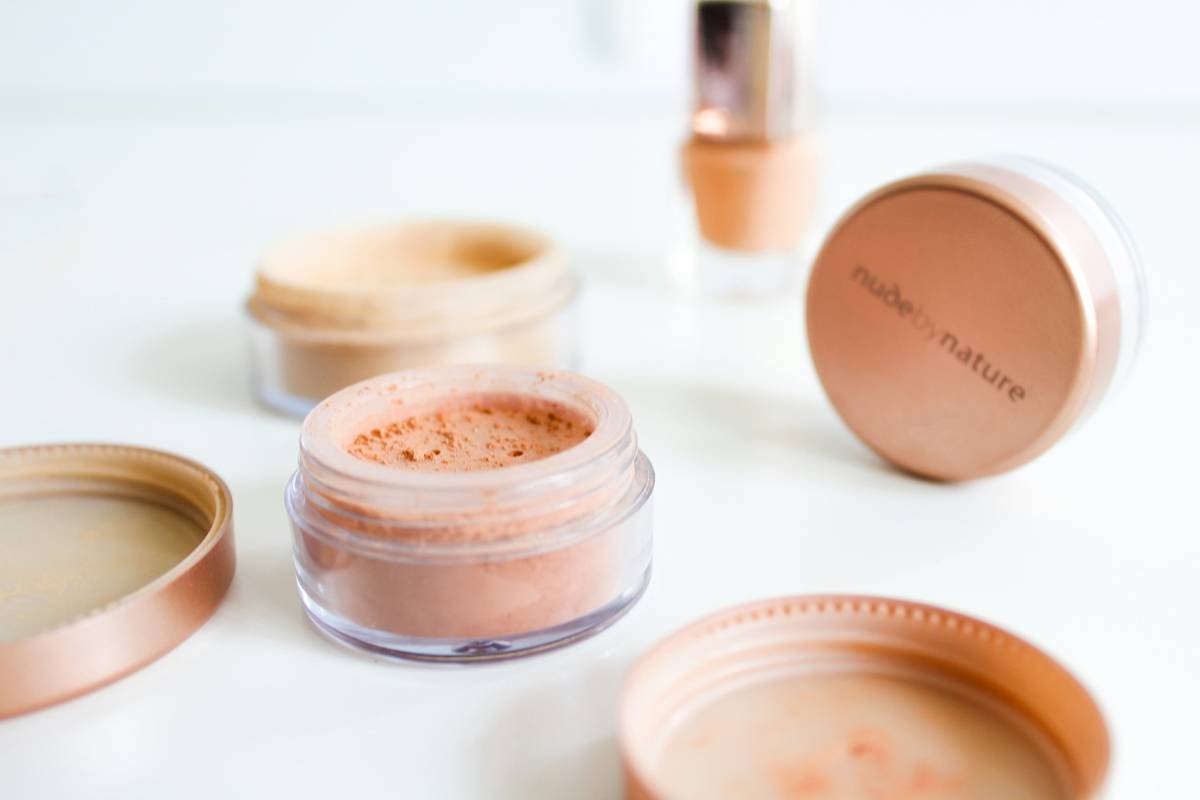
Loose powders can be drying. Instead, use a micro-fine pressed powder only on the T-zone. Or skip powder entirely and mist with a thermal water spray infused with magnesium—calms while locking in moisture.

| Product Type | Safe Ingredients to Seek | Irritants to Avoid | Application Tip |
|---|---|---|---|
| Primer | Ceramides, squalane, allantoin | Cyclopentasiloxane, fragrance, alcohol denat. | Apply to damp skin; use finger warmth to melt in |
| Base Coverage | Titanium dioxide (non-nano), glycerin, panthenol | Parabens, PEG compounds, synthetic dyes | Dot directly on cheeks/forehead—blend outward with damp sponge |
| Setting Product | Rice starch, magnesium PCA, silica (non-porous) | Talc, bismuth oxychloride, cornstarch (can feed yeast) | Press—not swipe—with velour puff to avoid friction |
The Industry Secret: “Fragrance-Free” Isn’t Always Safe
Here’s what formulators won’t tell you: “fragrance-free” can still contain masking fragrances—chemicals added to neutralize raw material odors without appearing in the ingredient list as “parfum.” These are often aldehydes or limonene derivatives, both high-risk for reactive skin. Instead, look for certifications like NEA (National Eczema Association) or the Nordic Swan Ecolabel. They audit *all* volatile organics, not just labeled perfumes. And never trust “dermatologist-tested”—that phrase has zero regulatory meaning. Demand patch-test data from brands, not brochures.
Frequently Asked Questions
Can I wear lightweight makeup every day if I have rosacea?
Yes—but only if your base contains azelaic acid or green-tinted iron oxides. Avoid anything with physical exfoliants or warming agents like ginger extract.
Is mineral makeup better for sensitive skin?
Not automatically. If it contains bismuth oxychloride or nano-sized zinc, it can sting. Choose non-nano, uncoated mineral formulas with minimal ingredients.
How do I remove lightweight makeup without irritating my skin?
Use a balm cleanser with camellia oil—massage onto dry skin, then emulsify with lukewarm water. Never scrub. Rinse thoroughly; residue breeds inflammation.