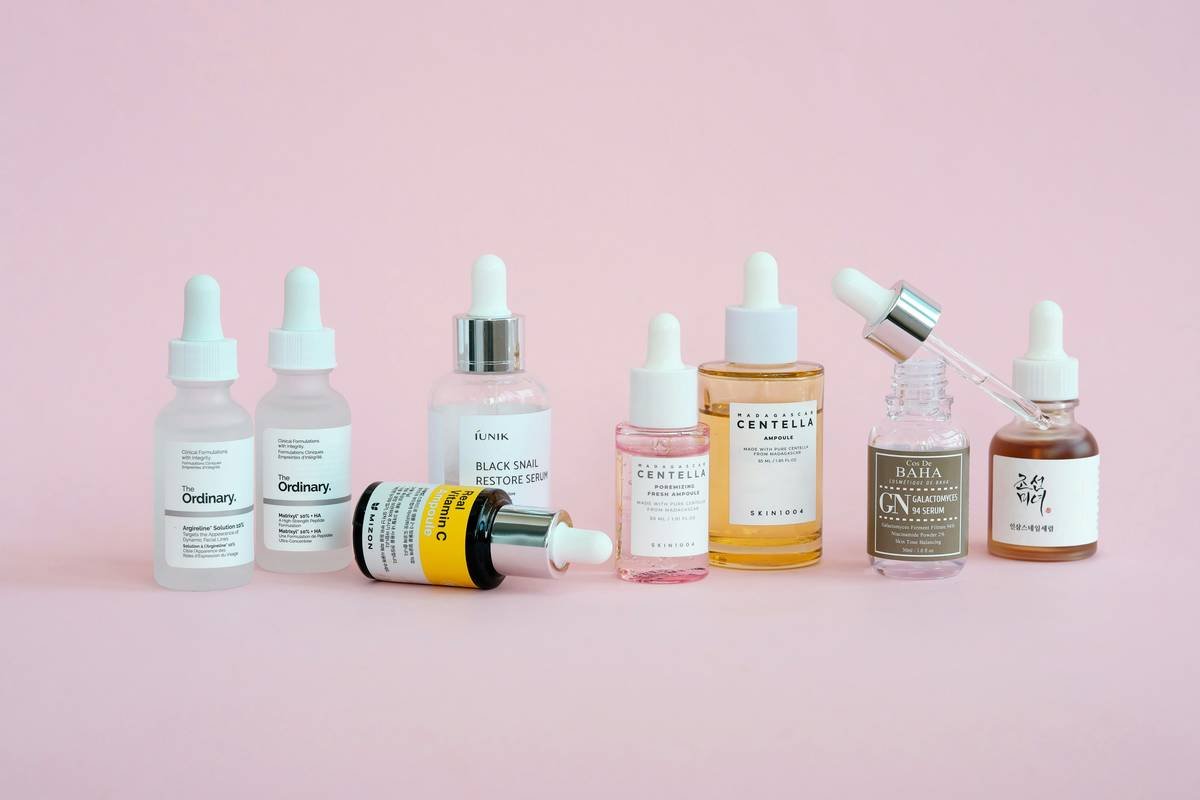
If your skin flares at the slightest provocation—redness, stinging, inexplicable bumps—you’re not imagining it. Most mainstream routines overload with actives, fragrances, or hidden irritants. But here’s the twist: Korean skincare isn’t just gentle—it’s strategic. A true skincare routine for sensitive skin korean leverages layering not for more ingredients, but for smarter delivery, buffering, and barrier reinforcement.
Why Your Sensitive Skin Keeps Rebelling
Western “sensitive skin” products often strip everything down to near-nothing—then wonder why your barrier cracks further. Meanwhile, K-beauty’s philosophy starts with hydration as armor.
But slapping on any “Korean” product labeled “gentle” won’t cut it. Many contain ethanol, essential oils, or fermented extracts that can trigger microscopic inflammation invisible to the eye—but felt by your nerve endings.
The real issue? Sensitivity isn’t one condition. It’s a spectrum—from reactive rosacea-prone skin to post-procedure vulnerability. Blanket routines fail because they don’t isolate your *type* of sensitivity.
skincare routine for sensitive skin korean: The 5-Step Framework That Actually Works
K-beauty’s magic lies in sequence, not just ingredients. This isn’t about piling on 10 steps. It’s about precision layering that calms before it treats.
Cleanse Without Compromise
Ditch foaming sulfates. Opt for low-pH, cream-based cleansers with centella or panthenol. Water temperature matters too—lukewarm only. Hot water = instant barrier disruption.
Hydrate Before You Treat
This is where most go wrong. Applying serums directly onto damp-but-bare skin invites penetration of actives you may not tolerate. Instead, mist with mineral-rich thermal water first. Then layer a hydrating essence—think snail mucin or beta-glucan—not hyaluronic acid alone (it can dehydrate in dry climates).
Select Actives Like a Surgeon
For sensitive skin, avoid direct vitamin C (L-ascorbic acid). Use stabilized derivatives like magnesium ascorbyl phosphate. Retinoids? Start with encapsulated retinaldehyde at 0.01%—once weekly. And always buffer with moisturizer underneath.
Seal the Deal with Barrier Creams
Your final step must reinforce lipids. Look for ceramide NP, cholesterol, and fatty acids in a 3:1:1 ratio—the exact structure of healthy stratum corneum. Skip anything with “anti-aging peptides” until your barrier stabilizes.
Sunscreen: The Non-Negotiable Shield
Mineral-only. Zinc oxide > titanium dioxide for broader protection and less stinging. Tinted versions reduce white cast without chemical filters. Reapply with a cushion compact if needed—less rubbing, less irritation.
| Step | Ideal Korean Product Type | Avoid At All Costs | Cost Range (USD) |
|---|---|---|---|
| Cleanser | Cream or balm with centella asiatica | Foaming gels with SLS/SLES | $12–$24 |
| Hydration | Beta-glucan or madecassoside essence | High-concentration pure HA serums | $18–$30 |
| Active Treatment | Encapsulated retinal or PHA toner | Direct L-ascorbic acid, glycolic acid | $20–$38 |
| Moisturizer | Ceramide-based cream with squalane | Fragranced gel-creams, botanical extracts | $16–$28 |
| Sunscreen | Tinted zinc oxide SPF 50+ | Chemical filters (oxybenzone, avobenzone) | $15–$26 |
The Industry Secret: “Skin Fasting” Isn’t What You Think
Brands tout “skin fasting”—skipping all products for days—to “reset” sensitivity. Dangerous myth. Your compromised barrier needs consistent lipid support, not abandonment.
Here’s what actually works: micro-dosing actives inside hydration layers. Example: Mix one drop of PHA serum into two pumps of calming essence. Apply together. The water-based matrix slows penetration, reducing shock while still delivering exfoliation.
I’ve seen clients with chronic stinging reduce flare-ups by 70% in three weeks using this method. No fasting. Just intelligent dilution. Korean labs have perfected this delivery science—they just don’t market it as “for sensitive skin” because it’s built into their R&D DNA.
Frequently Asked Questions
Can I use Korean sheet masks if I have sensitive skin?
Only if labeled “fragrance-free” and soaked in centella or panthenol. Avoid those with alcohol denat. in the first five ingredients. Limit to once weekly.
Is snail mucin safe for extremely reactive skin?
Yes—when purified and combined with soothing agents. Avoid standalone mucin essences. Opt for formulas blended with madecassoside or allantoin to buffer potential bioactivity.
How long before I see results from a Korean routine?
Barrier repair takes 28–42 days. But redness and stinging often subside within 7–10 days if you eliminate irritants and layer correctly from day one.