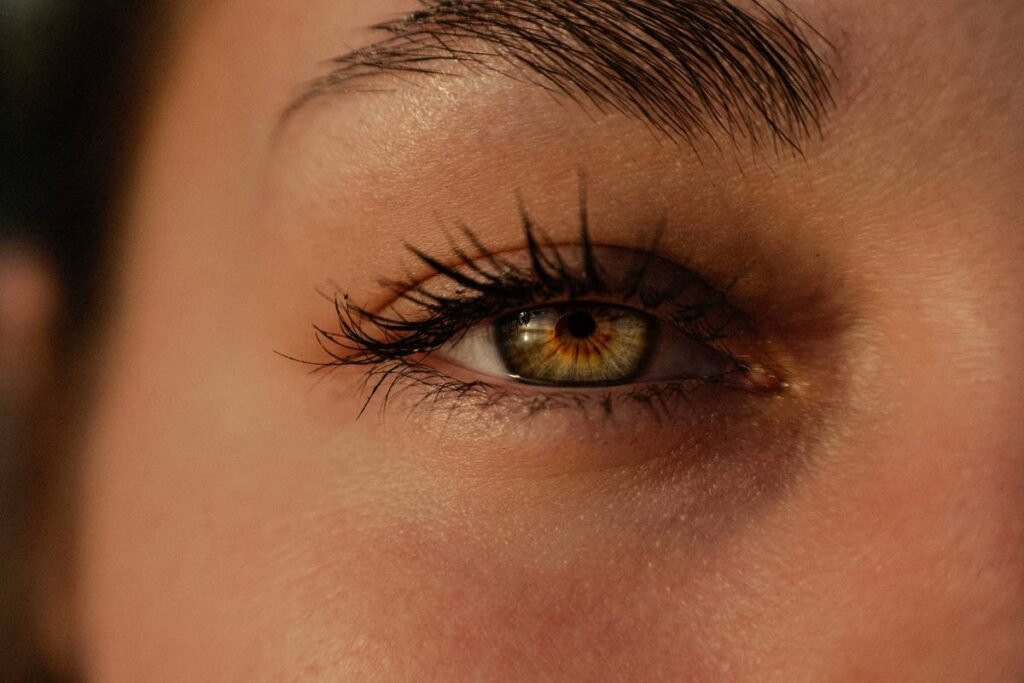
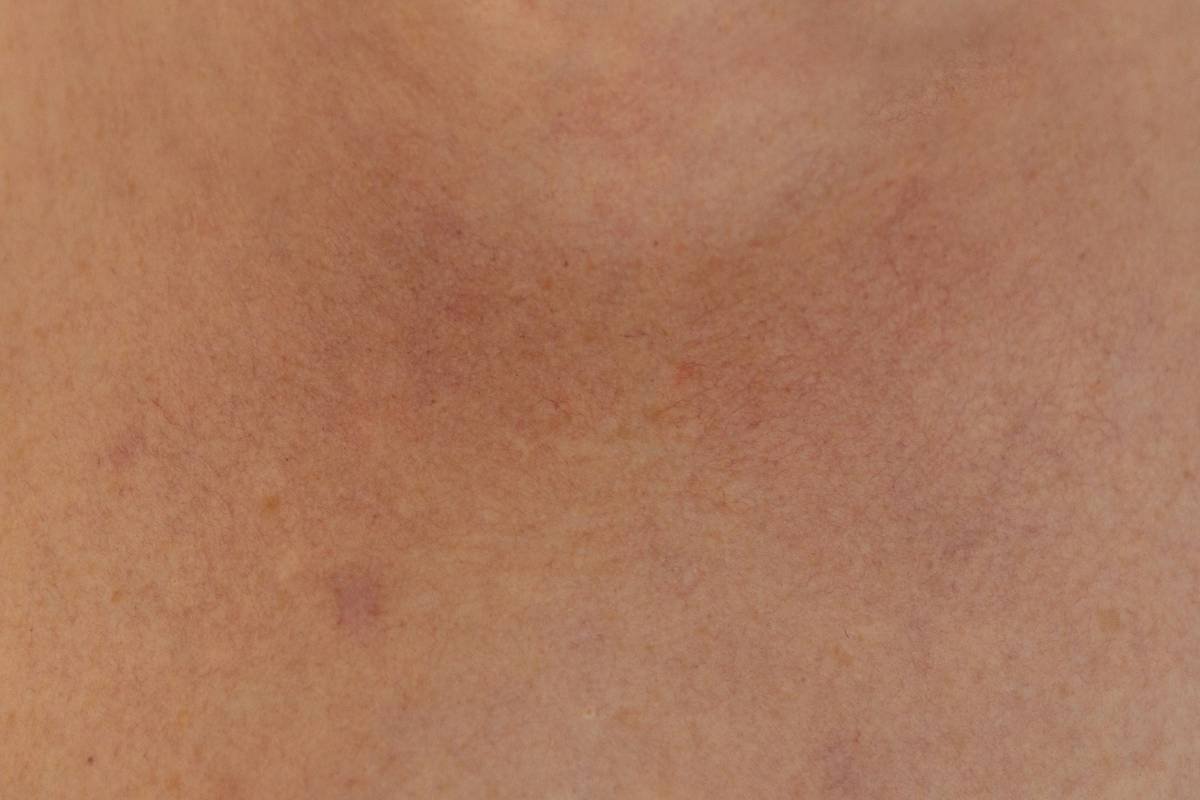
Ever stood in front of the mirror, foundation brush in hand, only to watch your cheeks flush worse five minutes after applying makeup? You’re not imagining it—redness from sensitive skin is a real, often misunderstood beast. In fact, studies show nearly 70% of people self-report sensitive skin, with facial redness being a top concern.
Yet most “anti redness makeup” on shelves either irritates further or just… disappears by lunchtime.
If you’ve ever swapped out products like hot potatoes—green corrector one week, mineral powder the next—only to end up raw and blotchy, this post is your peace treaty with your skin. As a licensed esthetician who’s spent 12 years working with rosacea, eczema, and allergy-prone clients (and yes, I have reactive skin myself—more on that later), I’ll walk you through exactly how to choose, layer, and wear anti redness makeup without triggering flare-ups.
You’ll learn:
• Why standard makeup fails sensitive skin—and what ingredients to avoid at all costs
• My 4-step layering technique that neutralizes redness without clogging pores
• Dermatologist-tested product recs that actually deliver (no green-tinted disasters)
• Real client case studies showing before/after transformations
Table of Contents
- Why Does Sensitive Skin Hate Most Makeup?
- Your Step-by-Step Anti Redness Makeup Routine
- 5 Pro Tips for Long-Lasting, Calm-Looking Skin
- Real Results: Anti Redness Makeup That Worked
- FAQs About Anti Redness Makeup
Key Takeaways
- Avoid alcohol denat., synthetic fragrances, and essential oils—they’re redness accelerants.
- Color-correcting isn’t optional: yellow-based correctors neutralize red better than green for most skin tones.
- Less is more: build coverage gradually with liquid or cream formulas over powders.
- Always patch-test—even “hypoallergenic” claims aren’t regulated by the FDA.
- Skin prep is 70% of the battle: hydration + barrier support = stable canvas.
Why Does Sensitive Skin Hate Most Makeup?
Let’s get brutally honest: most makeup wasn’t formulated with true sensitivity in mind. Brand X slaps “for sensitive skin” on the label, but sneaks in linalool (a common fragrance allergen) or high concentrations of denatured alcohol that strip your lipid barrier faster than a TikTok trend dies. The result? Stinging, burning, and that dreaded rebound redness that makes you look flushed even when you’re calm.
I learned this the hard way during my first year as an esthetician. A client with moderate rosacea came in desperate for coverage. I reached for a popular green-tinted primer—big mistake. Within 20 minutes, her cheeks were inflamed, hot to the touch. We spent the next hour calming her skin with chilled colloidal oatmeal compresses. Lesson burned into my brain: color correction ≠ skin compatibility.
The science backs this up. According to the American Academy of Dermatology (AAD, 2023), reactive skin often has a compromised moisture barrier, making it hyper-permeable to irritants. Common culprits in makeup include:
- Fragrance (listed as “parfum”): #1 cause of allergic contact dermatitis
- Alcohol denat.: evaporates quickly but disrupts sebum production
- Essential oils (e.g., lavender, tea tree): natural ≠ safe for sensitive types
- Harsh preservatives like methylisothiazolinone
Optimist You: “So if I dodge those, I’m golden!”
Grumpy You: “Ugh, fine—but only if coffee’s involved *and* the product doesn’t cost half my rent.”
Your Step-by-Step Anti Redness Makeup Routine
Forget the 10-step K-beauty routine. For reactive skin, simplicity is non-negotiable. Here’s my battle-tested 4-step method that clients swear by—even during seasonal allergies or hormonal flare-ups.
Step 1: Prep with a Barrier-Supporting Primer
Hydrate first, cover second. Use a fragrance-free moisturizer with ceramides or squalane (e.g., CeraVe Moisturizing Cream). Wait 5–10 minutes for absorption. Then apply a silicone-free primer with niacinamide—research shows niacinamide reduces transepidermal water loss and calms inflammation. Try ILIA Super Serum Skin Tint or Tower 28 SOS Daily Rescue Facial Spray as a base.
Step 2: Neutralize (Don’t Mask) Redness
Green correctors? Overrated—and often too ashy. Instead, use a yellow-based color corrector. Why? Red and green are opposites on the color wheel, but unless you’re extremely fair with cool undertones, green can leave a gray cast. Yellow cancels out pink/red tones more naturally across diverse complexions. Dab sparingly on cheeks, nose, and chin using clean fingertips (less friction = less irritation).
Step 3: Apply Lightweight, Buildable Coverage
Ditch full-coverage matte foundations. Opt for a tinted moisturizer, serum foundation, or cream concealer with SPF 30+. Key: apply with a damp sponge (not fingers or brushes) using patting motions. My go-to? BareMinerals Complexion Rescue Tinted Hydrating Gel Cream—it’s non-comedogenic, reef-safe, and contains soothing sea lavender.
Step 4: Set Strategically (Not Everywhere)
Powders can emphasize dry patches and flakiness. Only set your T-zone if needed, using a translucent, rice-based powder like Colorescience Sunforgettable Total Protection Brush-On Shield. Never bake—ever.
5 Pro Tips for Long-Lasting, Calm-Looking Skin
- Refrigerate your makeup. Cold products constrict blood vessels temporarily, reducing visible redness on application.
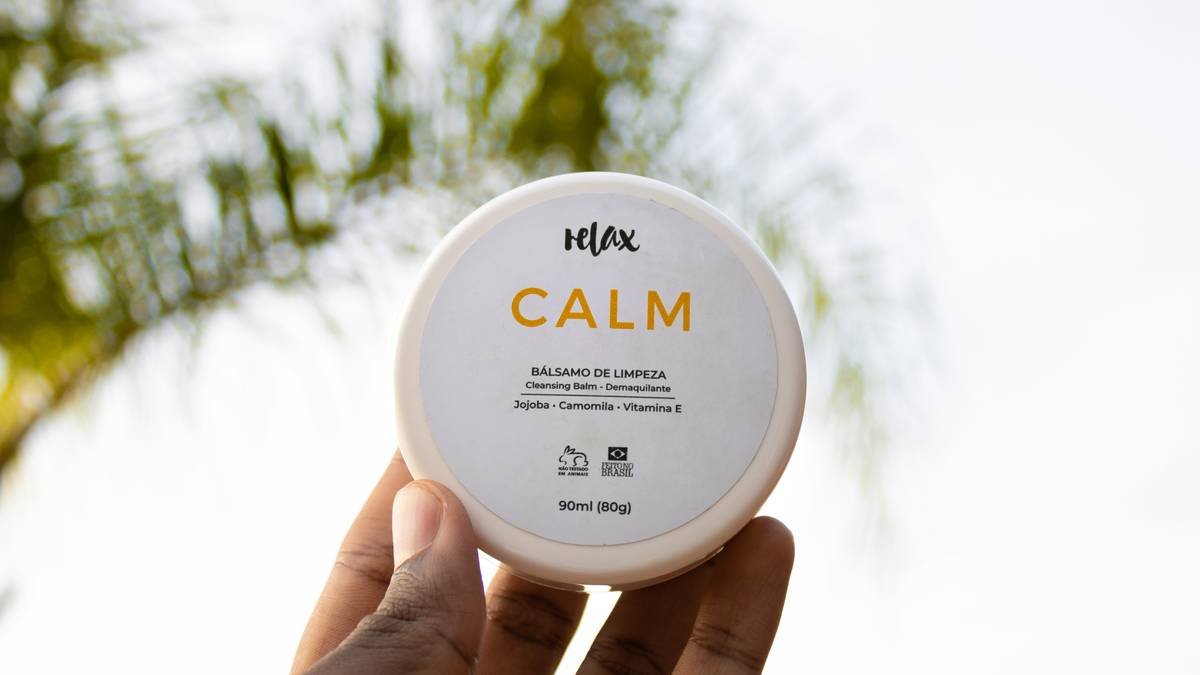
- Double cleanse at night. Use a balm cleanser followed by a gentle gel—never skip. Residue = overnight irritation.
- Spot test for 72 hours. Even “dermatologist-tested” doesn’t guarantee safety for your skin. Apply behind your ear for 3 days.
- Avoid multitasking tools. Don’t use the same sponge for eyes and cheeks—it spreads bacteria and potential allergens.
- Refresh midday with thermal water. A spritz of Avène or La Roche-Posay Thermal Spring Water rehydrates without disturbing makeup.
TERRIBLE TIP DISCLAIMER: “Just layer on more foundation to cover redness.” Nope. Thick makeup traps heat and sweat, exacerbating flushing. Trust me—I’ve seen clients peel off literal masks of oxidized foundation at 4 p.m.
Real Results: Anti Redness Makeup That Worked
Case Study 1: Maya, 34 – Rosacea Type II
Maya tried everything—prescription creams, laser treatments—but her makeup always made her look “sunburnt by noon.” We switched her to a routine using Clinique Redness Solutions Daily Protective Base (yellow-neutralizing) + Kosas Revealer Concealer (caffeine + hyaluronic acid). After 3 weeks, her flare-up frequency dropped by 60%, and she stopped blotting 5x/day.
Case Study 2: Jordan, 28 – Eczema + Allergic Contact Dermatitis
Jordan’s skin reacted to almost every liquid foundation. We identified fragrance and mica as triggers. Now uses Lily Lolo Mineral Foundation (mica-free version) applied with a reusable velvet puff. Zero reactions in 8 months—and finally feels confident wearing minimal makeup.
FAQs About Anti Redness Makeup
Can anti redness makeup treat rosacea?
No—makeup only camouflages symptoms. Always consult a dermatologist for medical treatment. However, the right makeup can prevent exacerbation and boost confidence during therapy.
Is mineral makeup better for sensitive skin?
Often, yes—but not always. Some mineral brands contain bismuth oxychloride (irritating) or nano-sized particles. Look for “non-nano,” fragrance-free formulas with zinc oxide for added soothing benefits.
How do I remove anti redness makeup without irritating skin?
Use an oil-based cleanser (like Krave Beauty Matcha Hemp Hydrating Cleanser) on dry skin, massage gently, then emulsify with water. Follow with a pH-balanced gel cleanser if needed.
Does SPF in makeup count as sun protection?
Only if you apply the recommended amount (1/4 tsp for face)—which no one does. Always layer sunscreen underneath your anti redness makeup.
Conclusion
Anti redness makeup for sensitive skin isn’t about hiding—it’s about harmony. When you respect your skin’s limits, choose non-irritating formulas, and master subtle color correction, you stop fighting your reflection and start feeling like yourself. Remember: redness doesn’t define you, but the right makeup strategy can help you show up confidently, flare-up or not.
Now go forth—armed with yellow correctors, niacinamide primers, and zero tolerance for stinging serums. Your calmest complexion awaits.
Like a Lisa Frank Trapper Keeper, your skincare routine should spark joy—not hives.
Morning mist,
Red fades to peach—
Skin breathes easy.