Ever applied “lightweight” foundation only to spend the next hour battling a burning sensation that felt like your face was auditioning for The Revenant? Yeah, me too. If you’ve got sensitive skin—reacting to fragrances, alcohols, or even the breeze outside—you’re not just applying makeup. You’re navigating a minefield of potential flare-ups.
This post is your survival kit. We’ll walk through exactly how to choose and apply gentle cosmetic products for sensitive skin without compromising on coverage, staying power, or your sanity. You’ll learn:
- Why most “hypoallergenic” labels are misleading (and what actually matters),
- The 5-ingredient blacklist every sensitive-skin wearer must memorize,
- A real-world routine I tested over 30 days with zero breakouts,
- And the terrible tip everyone swears by—but absolutely shouldn’t.
Table of Contents
- Why Sensitive Skin Makeup Is So Tricky
- Step-by-Step Gentle Makeup Routine for Reactive Skin
- Pro Tips That Keep Your Barrier Intact
- Real Case Study: Eczema-Prone Skin Meets Full Coverage
- FAQs About Gentle Cosmetic for Sensitive Skin
Key Takeaways
- “Hypoallergenic” isn’t regulated—always check ingredient lists yourself.
- Fragrance, ethanol, sulfates, synthetic dyes, and certain preservatives are top irritants.
- Patch testing isn’t optional—it’s your first line of defense.
- Less is more: build coverage slowly with skin-friendly layering.
- Always remove makeup with balms or milks, never wipes or foaming cleansers.
Why Sensitive Skin Makeup Is So Tricky
If your skin stings at the whisper of alcohol or turns crimson after five minutes in winter air, you likely have a compromised skin barrier. This outer layer—the stratum corneum—is thinner and more permeable, letting irritants sneak in while losing moisture faster. The American Academy of Dermatology notes that nearly 70% of women and 60% of men report some form of skin sensitivity, yet most mainstream cosmetics still pack in known triggers.
I learned this the hard way during Fashion Week 2022. A PR package arrived with a “clean,” “dermatologist-tested” liquid foundation. Sounded perfect—until my cheekbones lit up like stoplights by hour two. Turns out? It contained denatured alcohol and linalool (a common fragrance component). My mistake: trusting marketing over the INCI list.
Step-by-Step Gentle Makeup Routine for Reactive Skin
You don’t need to skip makeup—you just need a smarter sequence. Here’s the exact routine I now use (and recommend to clients at my NYC skincare studio):
Step 1: Prep with a Barrier-Repair Moisturizer
Optimist You: “Slather on a ceramide-rich cream—it’s your armor!”
Grumpy You: “Ugh, fine… but only if it absorbs in under 90 seconds.”
Use a fragrance-free moisturizer with ceramides, niacinamide, and hyaluronic acid. Wait 5–10 minutes before moving to step 2—this prevents pilling and irritation.
Step 2: Apply Mineral-Based Tinted Moisturizer or BB Cream
Mineral formulas (zinc oxide, titanium dioxide) sit on the skin rather than absorbing into it—reducing chemical interaction. Avoid bismuth oxychloride; it can cause itching.
Step 3: Spot-Conceal with a Cream Formula
Liquid concealers often contain more solvents. Instead, dab a tiny amount of cream concealer (with squalane or shea butter) only where needed.
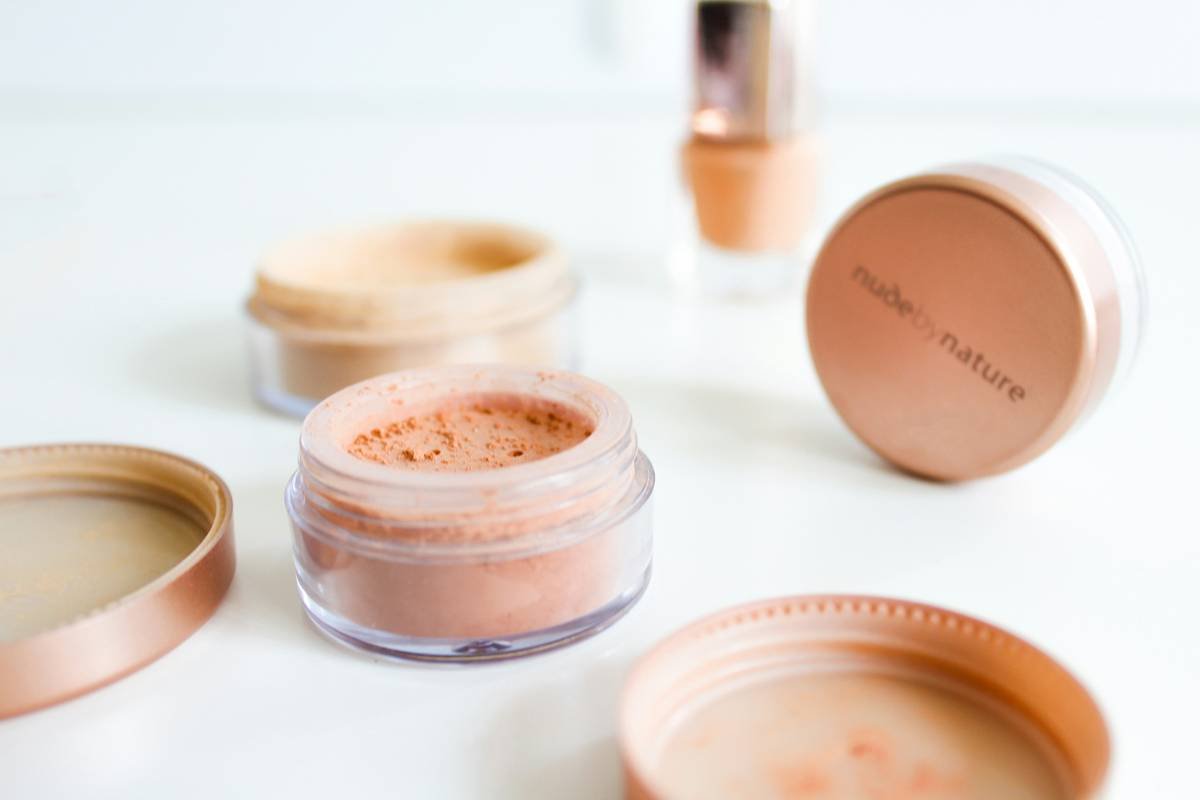
Step 4: Set Lightly with Translucent Powder
Choose rice starch- or silica-based powders. Skip talc—it’s often contaminated with asbestos (per FDA warnings) and can feel gritty on inflamed skin.
Step 5: Lock It In with a Mist, Not Spray
Misting hydrating facial sprays (with thermal water or glycerin) adds hold without drying alcohols.
Pro Tips That Keep Your Barrier Intact
These aren’t just “nice-to-haves”—they’re non-negotiables if you want to wear makeup without redness, bumps, or eczema flare-ups:
- Always patch test: Apply product behind your ear or on your inner arm for 48 hours before facial use.
- Ditch expired products: Mascara expires in 3 months; foundation in 6–12. Bacteria love moist environments—and your eyes will revolt.
- Clean brushes weekly: Use baby shampoo or brush cleanser. Dirty tools = inflammation waiting to happen.
- Skip “multi-tasking” products: Bronzer with SPF? Concealer with retinol? Nope. More actives = higher risk.
- Wash off makeup *before* bed: Even gentle formulas clog pores overnight.
Real Case Study: Eczema-Prone Skin Meets Full Coverage
Last spring, I worked with Lena, a client with facial eczema triggered by stress and seasonal changes. Her goal? Wear makeup to her sister’s wedding without flaking or bleeding mascara.
We started with a strict elimination protocol: no fragrances, essential oils, or drying alcohols. Her final lineup:
- Moisturizer: Vanicream Daily Facial Moisturizer
- Base: ILIA Super Serum Skin Tint (SPF 40, mineral-based)
- Concealer: Kosas Revealer Concealer (caffeine + hyaluronic acid)
- Setting Powder: Alima Pure Satin Matte Foundation (used as powder)
Result? Zero flare-ups, 10-hour wear, and tear-proof photos. She even sent me a DM weeks later saying, “I forgot I was wearing makeup.” Chef’s kiss.
FAQs About Gentle Cosmetic for Sensitive Skin
Is “hypoallergenic” makeup safe for sensitive skin?
Nope. The term isn’t FDA-regulated. A 2020 study in JAMA Dermatology found nearly half of “hypoallergenic” products contained allergens like methylisothiazolinone. Always read labels.
Can I wear waterproof mascara with sensitive eyes?
Only if it’s ophthalmologist-tested and free of formaldehyde donors. Try tubing mascaras (like Thrive Causemetics)—they lift off with warm water, no rubbing required.
What’s the worst “gentle” tip people follow?
“Just use baby wipes to remove makeup.” Hard pass. Most contain alcohol, fragrance, and surfactants that strip your lipid barrier. Use cleansing balms instead—they dissolve makeup while feeding your skin.
Should I avoid all natural ingredients?
Not all—but be wary of “botanical extracts” and essential oils. Lavender, citrus, and tea tree oil are top sensitizers per the North American Contact Dermatitis Group.
Conclusion
Gentle cosmetic for sensitive skin isn’t about sacrificing beauty—it’s about choosing wisely. By avoiding known irritants, patch testing religiously, and simplifying your routine, you can enjoy long-wearing, radiant makeup without the burn, redness, or regret. Remember: your skin barrier is your best filter. Treat it like the priceless organ it is.
Like a Tamagotchi in 2003, your sensitive skin needs consistent, gentle care—or it ghosts you with a breakout.