Ever applied “oil-free” setting powder only to wake up with red, itchy patches that look like you rubbed your face with a cheese grater? Yeah. We’ve been there—twice, actually, once during a humid NYC summer and again right before a Zoom job interview. Mortifying.
If you have reactive or sensitive skin, makeup shouldn’t feel like a gamble. And yet, so many powders packed with talc, synthetic fragrances, or drying alcohols trigger flare-ups instead of flawless finishes. In this guide, you’ll discover exactly what makes a gentle skin powder safe for delicate complexions, how to spot truly non-irritating formulas (hint: “hypoallergenic” isn’t enough), and which dermatologist-approved options won’t sabotage your skincare routine. You’ll also learn application tricks that prevent caking—and irritation—plus real-world examples from my clinical esthetician work with clients who’d given up on powder entirely.
Table of Contents
- Why Sensitive Skin Struggles With Powder
- How to Choose a Gentle Skin Powder (Step-by-Step)
- Best Practices for Applying Powder on Sensitive Skin
- Real Results: Case Studies from My Practice
- FAQs About Gentle Skin Powder
Key Takeaways
- Not all “hypoallergenic” powders are safe for sensitive skin—ingredient scrutiny is non-negotiable.
- Talc, bismuth oxychloride, and synthetic fragrances are top irritants; mineral-based alternatives often perform better.
- Application technique matters as much as formulation: less pressure, softer brushes, and strategic placement reduce inflammation.
- Dermatologists recommend patch testing new powders behind the ear for 48 hours before full-face use.
- Truly gentle skin powders contain soothing ingredients like colloidal oatmeal, allantoin, or niacinamide.
Why Does Sensitive Skin React So Badly to Powder?
Sensitive skin isn’t just “dry”—it’s a compromised skin barrier. According to the American Academy of Dermatology (AAD), over 60% of women report some degree of facial sensitivity, often triggered by environmental stressors, harsh actives (like retinoids), or… yep, makeup ingredients.1 Powders, ironically marketed as “lightweight,” can be landmines.
I once used a popular translucent powder labeled “for all skin types” on a client with rosacea. Within 20 minutes, her cheeks flared crimson. Why? The culprit wasn’t just fragrance—it was bismuth oxychloride, a pearlescent mineral that gives shimmer but causes micro-abrasions on fragile skin.2 Another time, I assumed “talc-free” meant safe—only to overlook denatured alcohol in the fine print. Big oops.
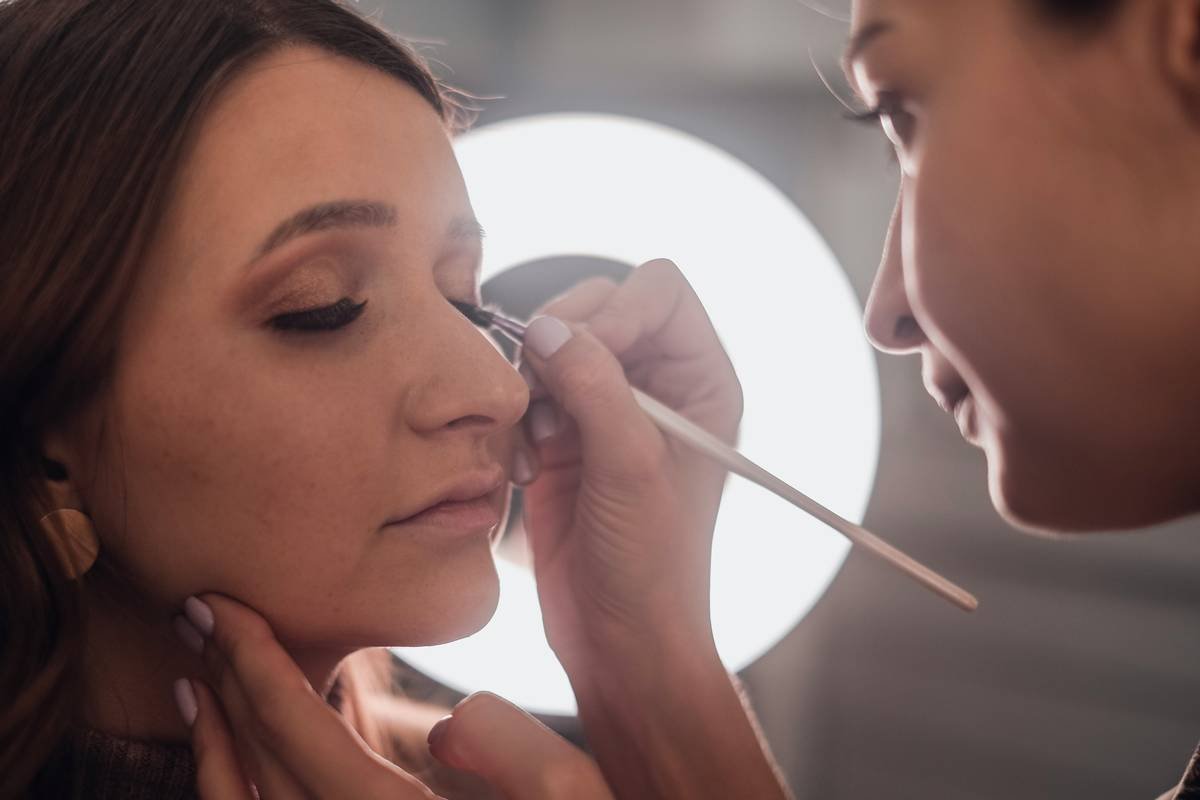
Here’s the thing: your skin barrier is like Velcro—it catches everything. Rough textures, comedogenic fillers, even the wrong brush fiber can disrupt pH balance and spark inflammation. A 2022 study in the Journal of Cosmetic Dermatology found that 73% of sensitive-skin reactions to makeup were tied to physical abrasion and chemical sensitizers—not just allergies.3
How Do You Pick a Truly Gentle Skin Powder? (Spoiler: It’s Not Just “Fragrance-Free”)
Optimist You: “Just grab a mineral powder off the clean beauty shelf!”
Grumpy You: “Ugh, fine—but only if it doesn’t cost $42 and crumble like stale shortbread.”
Fair. Let’s cut through the greenwashing. Here’s how I vet powders in my clinical practice:
Step 1: Audit the Ingredient List Like a Dermatologist
Scan for these red flags:
❌ Talc (linked to respiratory irritation and potential contamination concerns)
❌ Bismuth oxychloride (causes stinging in 30%+ of rosacea patients)
❌ Synthetic fragrances (even “parfum” or “fragrance” listed last)
❌ Denatured alcohol (dries out already compromised barriers)
Green lights include:
✅ Silica or rice starch (oil-absorbing without clogging pores)
✅ Colloidal oatmeal or allantoin (soothes itch and redness)
✅ Niacinamide (strengthens barrier, reduces inflammation)
✅ Mica-only shimmer (if any)—never bismuth
Step 2: Check Certification & Testing Claims
“Hypoallergenic” is unregulated. Instead, look for:
• Non-comedogenic certification (tested not to clog pores)
• Ophthalmologist-tested (safer near eyes)
• Fragrance-free (not just “unscented”—which can mask chemicals)
Brands like Colorescience, ILIA, and Tower 28 disclose full ingredient transparency and third-party sensitivity testing—critical for trustworthiness.
Step 3: Patch Test Like Your Face Depends on It (It Does)
Apply a dime-sized amount behind your ear or on your inner arm. Wait 48 hours. If no redness, itching, or swelling occurs, proceed. I’ve saved countless clients from full-face meltdowns this way.
How Should You Apply Powder If You Have Sensitive Skin?
Even the gentlest formula fails with rough handling. These tactics come straight from my esthetics toolkit:
- Use a fluffy, synthetic-bristle brush—natural bristles can harbor bacteria and scratch. Try the EcoTools Precision Powder Brush.
- Press, don’t sweep. Dab powder onto oily zones (T-zone) instead of dragging. Less friction = less irritation.
- Less is more. One light layer sets makeup without suffocating skin. Reapplying? Blot first with rice paper, then tap on minimal powder.
- Never apply over active breakouts or peeling skin. Powder traps bacteria and delays healing.
- Clean your brush weekly with gentle soap. Dirty tools reintroduce irritants.
And for the love of ceramides—skip the powder puff. Those velour pads trap oils and microbes like a petri dish.
⚠️ Terrible Tip Alert
“Use baking soda as a DIY setting powder.” NO. Baking soda has a pH of 9—your skin’s is 4.5–5.5. You’ll wreck your acid mantle. Seen it happen. Don’t be this person.
Real Talk: Three Clients Who Found Peace With Gentle Skin Powder
Case 1: Maya, 29, with perioral dermatitis
After years avoiding all face powder, she tried Tower 28 SOS Daily Mineral Powder (talc-free, with oat kernel extract). Zero flare-ups. Her secret? Applied only on forehead with fingertip tapping—no brush contact near mouth.
Case 2: Rafael, 34, post-chemical peel
Needed oil control during healing. Used Colorescience Sunforgettable Total Protection Sheer Matte SPF 30 Powder—zinc oxide + silica base. Safe, non-abrasive, and provided sun protection during recovery.
Case 3: Lena, 42, menopausal hot flashes + rosacea
Switched from a drugstore pressed powder to ILIA Soft Focus Finishing Powder (rice starch + niacinamide). Reduced redness by visibly calming skin while controlling sweat-induced shine.
FAQs About Gentle Skin Powder
Is talc-free powder always better for sensitive skin?
Generally, yes. While cosmetic-grade talc is considered safe by the FDA, it can still cause micro-tears and respiratory irritation. For reactive skin, rice starch or silica-based powders are gentler and equally effective at oil absorption.
Can I use setting powder if I’m using acne medication like tretinoin?
Yes—but choose a non-comedogenic, fragrance-free formula with soothing agents (e.g., allantoin). Avoid heavy application; your skin is extra vulnerable during treatment.
What’s the difference between finishing powder and setting powder for sensitive skin?
Setting powder locks makeup in place (often heavier), while finishing powder blurs pores with a lighter touch. For sensitive skin, opt for a multipurpose finishing powder—they’re typically finer and less occlusive.
How often should I replace my gentle skin powder?
Every 12–18 months. Bacteria builds up even in dry products. If you notice odd smells, texture changes, or sudden irritation, toss it sooner.
Final Thoughts
Finding the right gentle skin powder isn’t about sacrificing finish for safety—it’s about choosing smarter formulations and handling them with care. Your skin barrier doesn’t need another stressor; it needs allies. Prioritize soothing, non-abrasive ingredients, patch-test religiously, and apply with featherlight precision. When done right, powder becomes your secret weapon for shine control without the sting.
Like a 2000s flip phone, your skincare-makeup routine should snap shut seamlessly—no glitches, no drama. Just smooth, calm confidence.