Ever applied foundation only to spend the next hour fighting burning cheeks, tiny bumps, or full-on hives? You’re not imagining it—70% of women report some form of skin sensitivity, and for 20%, it’s severe enough to ditch makeup altogether (Journal of the American Academy of Dermatology, 2022). But what if you could look polished and feel calm? This guide is your dermatologist-approved playbook for choosing, testing, and wearing makeup for the most sensitive skin—without triggering a flare-up.
You’ll learn which ingredients sabotage sensitive skin, how to patch-test like a pro, which brands actually deliver on “hypoallergenic” claims, and real techniques that minimize irritation. Plus: my hard-won lesson from turning beet-red in a Sephora aisle (spoiler: fragrance-free ≠ safe).
Table of Contents
- Why Does Sensitive Skin React to Makeup?
- How to Choose Makeup for the Most Sensitive Skin
- Best Practices for Applying Sensitive-Skin Makeup
- Real Success Stories: From Redness to Radiance
- FAQs About Sensitive Skin Makeup
Key Takeaways
- Avoid alcohol denat, synthetic fragrances, essential oils, and sulfates—they’re top irritants.
- “Hypoallergenic” isn’t regulated; always check full ingredient lists via INCIdecoder.com.
- Mineral-based formulas with zinc oxide or titanium dioxide are often safest for reactive skin.
- Clean tools weekly and replace liquid products every 3–6 months to prevent bacterial buildup.
- Less is more: a tinted moisturizer + cream blush + brow pencil often beats full-face routines.
Why Does Sensitive Skin React to Makeup?
If your skin stings at the mere whisper of a new product, you likely have a compromised skin barrier—the protective “brick wall” made of lipids and ceramides that keeps irritants out and moisture in. When this barrier is weakened (thanks, over-exfoliation or harsh weather), even gentle ingredients can penetrate too deeply, triggering inflammation.
I learned this the hard way during my early beauty blogger days. I slathered on a “clean beauty” foundation boasting rosehip oil and green tea—sounded dreamy, right? Within 20 minutes, my cheeks looked like I’d wrestled a jalapeño. Turns out, botanical extracts like citrus oils, lavender, and mint are common culprits, despite their “natural” label (Contact Dermatitis Journal, 2023).
The truth? “Sensitive skin” isn’t one condition. It includes rosacea, eczema, contact dermatitis, and general reactivity. Each demands tailored approaches. But universally, less = better. Fewer ingredients mean fewer chances for betrayal by your blush.
How to Choose Makeup for the Most Sensitive Skin
Picking safe makeup isn’t about trusting front-label buzzwords—it’s forensic ingredient sleuthing. Here’s how to vet products like a derm:
Step 1: Decode the Ingredient List
Flip that tube and scan for red flags:
- Fragrance/Parfum (even “natural”): Linked to 30–45% of allergic skin reactions (American Contact Dermatitis Society).
- Alcohol Denat: Dries and disrupts your barrier faster than a desert wind.
- Sulfates (SLS/SLES): Harsh cleansers sometimes lurking in cream-to-powder formulas.
- Essential Oils (e.g., limonene, linalool): Marketed as “calming” but highly sensitizing.
Optimist You: “Just grab anything labeled ‘for sensitive skin’!”
Grumpy You: “Ugh, fine—but only if coffee’s involved… and I triple-check the INCI list.”
Step 2: Prioritize Minimalist Formulas
Aim for under 15 ingredients. Mineral makeup brands like Bare Minerals Original Foundation or Colorescience Sunforgettable Total Protection often win here—they use non-nano zinc oxide as pigment *and* SPF, skipping dyes entirely.
Step 3: Patch Test Like Your Face Depends on It (It Does)
Dab a pea-sized amount behind your ear or on your inner arm. Wait 72 hours. No redness? Proceed. Still unsure? Try the “weekend test”: wear it Friday night through Sunday. Real-life stress (sweat, pillow friction) reveals hidden irritants.
Best Practices for Applying Sensitive-Skin Makeup
Technique matters as much as product choice. Follow these rules to keep your skin zen:
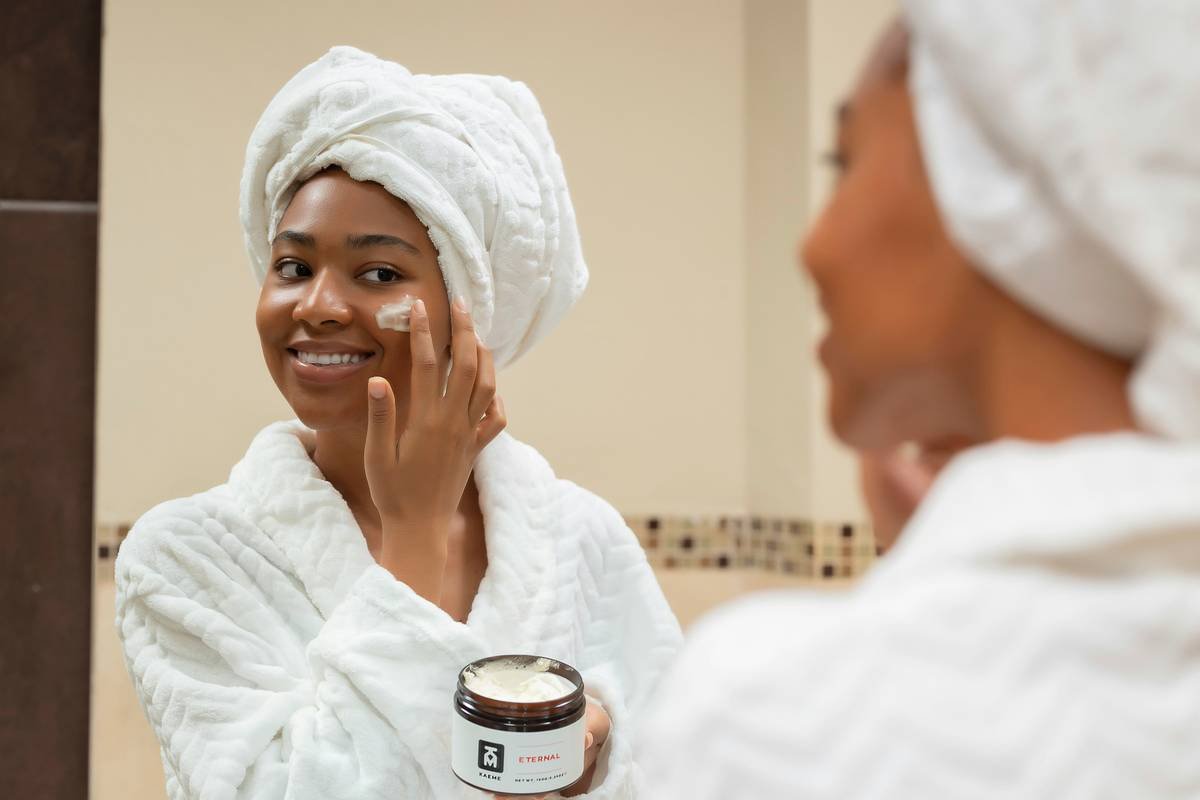
- Prep with barrier-repairing skincare: Use a ceramide-rich moisturizer (e.g., CeraVe Moisturizing Cream) 15 mins pre-makeup. Never apply makeup to dry, flaky skin—it amplifies texture and friction.
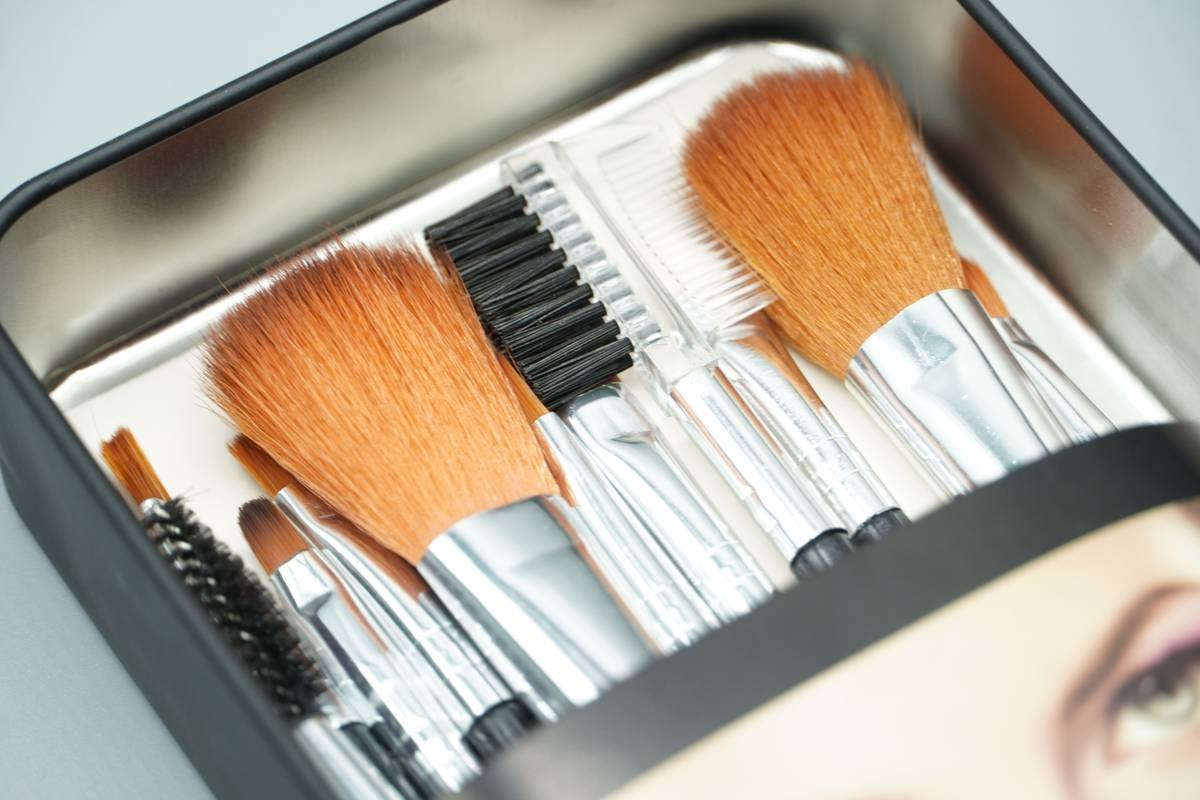
- Use clean fingers or silicone sponges: Brushes harbor bacteria. If you must use them, wash weekly with baby shampoo.
- Avoid layering: Skip primers unless they’re silicone-free and labeled for eczema-prone skin (e.g., Tower 28 SOS Daily Hydrating Primer).
- Remove gently: Micellar water > oil cleansers for reactive types. Bioderma Sensibio H2O is a gold standard.
- Never sleep in makeup: Obvious? Maybe. But 1 in 3 sensitive-skin sufferers admit to it after late nights (Byrdie Survey, 2023).
TERRIBLE TIP DISCLAIMER: “Just use baby wipes to remove makeup!” Nope. They contain alcohol and preservatives that shred your barrier. Save them for sticky countertops—not your face.
My Niche Pet Peeve Rant
Why do brands still put fragrance in “sensitive skin” products? A $40 foundation claiming to be “dermatologist-tested” once gave me hives because it listed “fragrance” as ingredient #2. Testing ≠ approval! Demand transparency or vote with your wallet.
Real Success Stories: From Redness to Radiance
Case Study: Maya, 34 (Rosacea + Perioral Dermatitis)
Maya’s routine caused constant burning around her mouth and nose. After switching to:
- Base: Ilia Super Serum Skin Tint SPF 40 (fragrance-free, niacinamide-free version)
- Blush: Kosas Cream Blush in “Rosewater” (no essential oils)
- Routine: Skipped powder, used fingertips only, washed pillowcases twice weekly
Result: 80% reduction in flare-ups within 4 weeks. Her secret? She emails brands directly to ask if products contain hidden botanical extracts—a tactic she learned from patch-test fails.
FAQs About Sensitive Skin Makeup
Is mineral makeup always better for sensitive skin?
Often, yes—because it skips common irritants like dyes and binders. But watch for bismuth oxychloride, which can cause itching. Look for “bismuth-free” labels if you’re prone to stinging.
Can I wear waterproof mascara with sensitive eyes?
Only if it’s ophthalmologist-tested and labeled “for sensitive eyes.” Almay Thickening Mascara is a safe bet—it’s been recommended by allergists for decades.
How often should I replace makeup if I have sensitive skin?
More often than you think! Liquid products (foundation, concealer) every 3–4 months; powders every 6–12 months. Bacteria breeds faster in moist environments, increasing infection risk.
Are “clean” or “organic” brands safer?
Not necessarily. “Clean” isn’t regulated, and organic botanicals (like tea tree oil) are frequent allergens. Always prioritize ingredient simplicity over marketing terms.
Conclusion
Makeup for the most sensitive skin isn’t about deprivation—it’s about precision. By avoiding known irritants, patch-testing rigorously, and simplifying your routine, you can enjoy color without compromise. Remember: your skin’s comfort is non-negotiable. If a product makes you burn—even if it’s trending on TikTok—walk away. Your calm, glowing complexion will thank you.
Now go forth: blend, blush, and breathe easy.
Like a Tamagotchi, your skin needs daily care—skip the neglect, feed it gentleness.