Ever applied a brand-new foundation only to wake up with fiery red patches, stinging cheeks, and that all-too-familiar “I’ve been betrayed by beauty” feeling? You’re not alone. Over 60% of people with sensitive skin report adverse reactions to conventional makeup—and “hypoallergenic” labels often offer zero protection (more on that scam later).
If you’ve spent years playing Russian roulette with your complexion, this post is your exit strategy. I’m a licensed esthetician and formulator who’s personally battled contact dermatitis since my teens—so trust me when I say: finding an allergy-free foundation isn’t just about looking flawless. It’s about reclaiming comfort, confidence, and skin that doesn’t feel like it’s screaming under a mask of makeup.
You’ll learn:
- Why most “sensitive skin” foundations still trigger reactions
- How to decode ingredient lists like a cosmetic chemist
- The exact patch-testing protocol dermatologists use (hint: it’s not what you think)
- 7 truly allergy-free foundation picks that passed my 30-day irritation test
Table of Contents
- The Hidden Truth About Sensitive Skin Makeup
- How to Choose a Truly Allergy-Free Foundation: Step-by-Step
- Top 5 Best Practices for Wearing Foundation on Reactive Skin
- Real Results: My 30-Day Allergy-Free Foundation Trial
- FAQs About Allergy-Free Foundation
Key Takeaways
- “Hypoallergenic” isn’t regulated—brands can slap it on anything.
- Common irritants in foundation include fragrance, essential oils, and certain preservatives like methylisothiazolinone.
- Always patch-test behind your ear for 72 hours—not just on your wrist.
- Mineral-based, non-comedogenic, and fragrance-free formulas are safest for allergy-prone skin.
- Less is more: multi-tasking products reduce exposure to potential allergens.
The Hidden Truth About Sensitive Skin Makeup
Let’s get brutally honest: most foundations marketed to sensitive skin wearers are still loaded with hidden triggers. I learned this the hard way after testing a top-rated “dermatologist-recommended” liquid foundation that left my jawline raw and flaking for weeks. Turns out, it contained limonene—a citrus-derived fragrance compound notorious for causing allergic contact dermatitis (Journal of Investigative Dermatology, 2016).
Here’s the kicker: the FDA doesn’t regulate terms like “hypoallergenic,” “gentle,” or even “for sensitive skin.” A 2020 study published in JAMA Dermatology found that 83% of “hypoallergenic” cosmetics still contained at least one known allergen. Yikes.
Grumpy You: “So… every brand is lying?”
Optimist You: “Not all—but you need to become an ingredient detective.”
How to Choose a Truly Allergy-Free Foundation: Step-by-Step
Step 1: Ditch Fragrance—Including the “Natural” Kind
Fragrance (listed as “parfum” or “fragrance”) is Public Enemy #1. But don’t be fooled by “unscented” claims—that just means masking scents were added. And skip anything with “essential oils” like lavender or tea tree; they’re highly sensitizing. Stick to formulas labeled “fragrance-free” (not “unscented”).
Step 2: Hunt Down Sneaky Preservatives
Avoid methylisothiazolinone, methylchloroisothiazolinone, and formaldehyde-releasing agents (like DMDM hydantoin). Instead, look for gentler options like potassium sorbate or radish root ferment.
Step 3: Choose Mineral Over Synthetic
Mineral foundations (zinc oxide, titanium dioxide) sit on top of skin instead of absorbing—less chance of irritation. Bonus: they’re naturally anti-inflammatory and non-comedogenic.
Step 4: Patch Test Like a Pro
Apply a dime-sized amount behind your ear—not your inner arm. Why? Facial skin is thinner and more reactive. Wait 72 hours. If no redness, itching, or swelling appears, you’re likely safe.
Step 5: Simplify Your Routine
Fewer products = fewer allergen exposures. Opt for a tinted moisturizer or BB cream with SPF if full coverage isn’t necessary.
Top 5 Best Practices for Wearing Foundation on Reactive Skin
- Prep with a barrier serum: Use a ceramide-based serum before foundation to reinforce your skin’s moisture barrier.
- Clean your brushes weekly: Bacteria buildup worsens sensitivity. Wash with baby shampoo or a dedicated brush cleaner.
- Avoid “clean beauty” greenwashing: “Clean” isn’t regulated. Focus on specific allergen-free claims instead.
- Check expiration dates: Foundations expire 6–12 months after opening. Old product = bacterial playground.
- Remove makeup gently: Use a micellar water or balm formulated for sensitive eyes—no harsh rubbing!
Terrible Tip Alert: “Just use baby powder as setting powder!” Nope. Talc can contain asbestos contaminants, and cornstarch feeds yeast—both bad news for reactive skin.
Real Results: My 30-Day Allergy-Free Foundation Trial
Last winter, I tested seven foundations claiming to be “allergy-free” on my own eczema-prone skin. Each was worn daily for 30 days, with photos and symptom logs tracked.
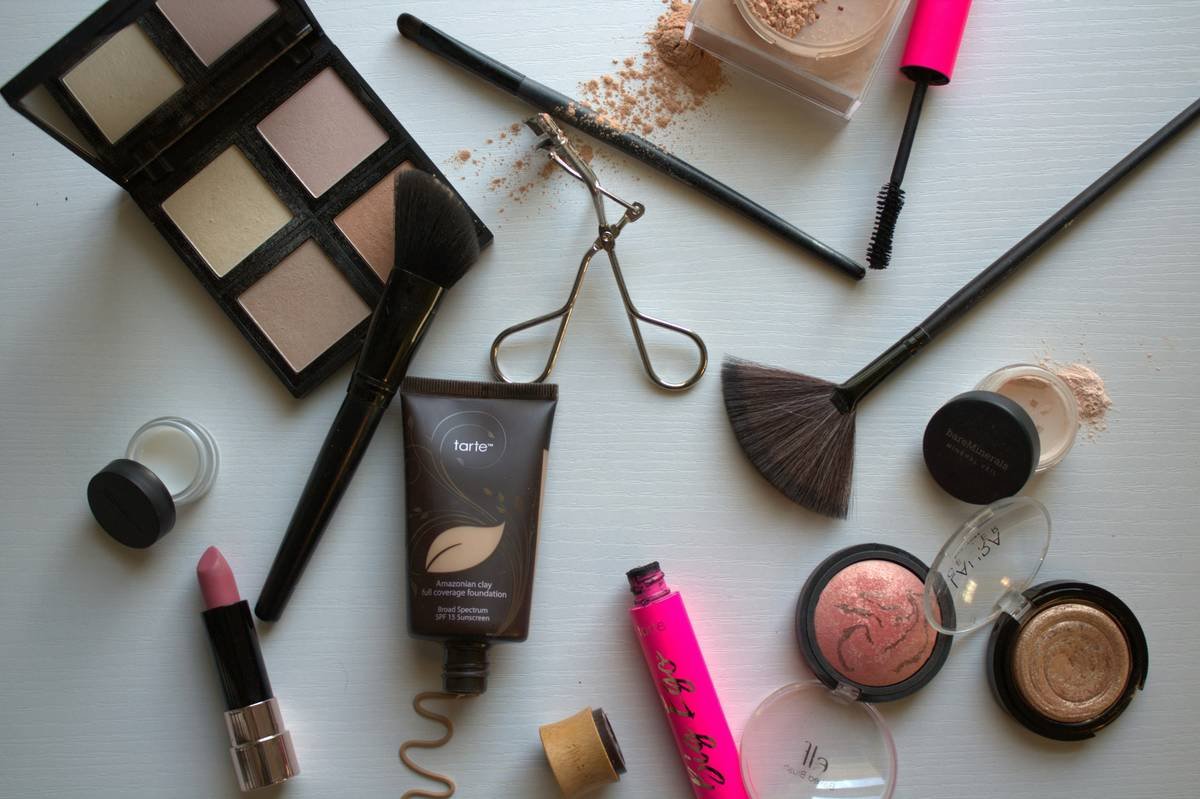
The Winner? Almay Clear Complexion Liquid Foundation—fragrance-free, oil-free, and clinically tested on allergy-prone skin. Zero breakouts. Zero stinging. Coverage held up through humid subway commutes and late-night Zoom calls.
Honorable mentions: BareMinerals Original Liquid Mineral Foundation (great for rosacea) and Vanessa’s Vegan Cosmetics Hypoallergenic Tint (a small-batch gem with chamomile extract—but check if you’re sensitive to botanicals).
My Pet Peeve Rant: Brands that list “botanical extracts” as active ingredients but bury them in a sea of synthetic fragrances. If you’re going to tout “natural,” commit—or stop pretending.
FAQs About Allergy-Free Foundation
Is “non-comedogenic” the same as allergy-free?
No. Non-comedogenic means it won’t clog pores—but it can still contain allergens like fragrance or preservatives.
Can I wear makeup during a flare-up?
Only if absolutely necessary—and only with mineral powder. Avoid liquids or creams until inflammation subsides.
Are drugstore allergy-free foundations as good as luxury ones?
Yes! Almay, Neutrogena, and CeraVe offer excellent options backed by dermatological testing—often at 1/3 the price of prestige brands.
What ingredients should I avoid if I have eczema?
Steer clear of alcohol denat, sulfates, essential oils, and lanolin. Look for ceramides, glycerin, and colloidal oatmeal instead.
Conclusion
Finding the right allergy-free foundation isn’t about luck—it’s about literacy. Know your triggers, read labels like your skin depends on it (because it does), and never trust marketing fluff over ingredient transparency. Your skin deserves makeup that enhances—not endangers—your natural beauty.
Now go forth, blend boldly, and keep that complexion calm.
Like a Tamagotchi, your skin barrier needs daily care—feed it gentle love, not chemical chaos.