Ever applied foundation only to feel your face flare up like a traffic light on red—hot, itchy, and screaming “why me?” You’re not alone. According to the American Academy of Dermatology, over 50% of women report having sensitive skin, yet most mainstream makeup still packs irritants like synthetic fragrances, alcohol denat, or harsh preservatives. What if your makeup didn’t just cover redness—but actually soothed it?
In this guide, you’ll discover how to choose and apply **makeup that calms skin**, backed by dermatological insights, real user experiences (yes, including my own tear-streaked mascara meltdown), and product recommendations vetted for reactive complexions. We’ll unpack ingredient intel, routine tweaks, and why “non-comedogenic” isn’t enough anymore.
Table of Contents
- Why Sensitive Skin Needs More Than Coverage
- How to Choose & Apply Calming Makeup: Step by Step
- Pro Tips for Long-Lasting Comfort
- Real Results: Case Studies That Worked
- FAQs About Makeup That Calms Skin
Key Takeaways
- Look for makeup with active calming ingredients like niacinamide, allantoin, centella asiatica, or colloidal oatmeal—not just “hypoallergenic” labels.
- Avoid common irritants: fragrance, essential oils, denatured alcohol, and formaldehyde-releasing preservatives.
- Pre-application skincare prep is non-negotiable—hydration reduces reactivity.
- Mineral-based formulas often outperform traditional foundations for sensitive types.
- Less product = fewer reactions. Build coverage slowly, only where needed.
Why Does Sensitive Skin Need More Than Just Coverage?
If your skin stings at the whisper of wind or turns crimson after lukewarm showers, you’ve got a compromised skin barrier—the delicate outer layer that keeps irritants out and moisture in. When that barrier’s damaged (hello, over-exfoliating phase of 2022), even “gentle” makeup can trigger inflammation, redness, and breakouts.
I learned this the hard way. Fresh off a rosacea diagnosis, I slathered on a viral full-coverage foundation promising “flawless filter finish.” Within 20 minutes? My cheeks burned like I’d been slapped with aloe-free sunburn. Turns out, it contained linalool (a sneaky fragrance derivative) and SD alcohol 40—two known culprits for barrier disruption.
Dermatologists agree: for truly sensitive skin, makeup must do double duty—cover *and* calm. As Dr. Mona Gohara, board-certified dermatologist, explains: “Products labeled ‘for sensitive skin’ aren’t regulated. Look instead for formulations with barrier-supporting, anti-inflammatory actives.”
How to Choose & Apply Makeup That Calms Skin: Step by Step
Step 1: Decode the Ingredient Deck—Skip the Buzzwords
“Hypoallergenic,” “dermatologist-tested,” and “clean” mean almost nothing without regulation. Instead, scan for these **calming heroes**:
- Niacinamide (Vitamin B3): Reduces redness, strengthens barrier (studies show 5% concentration effective—Journal of Clinical and Aesthetic Dermatology).
- Colloidal Oatmeal: FDA-approved skin protectant; soothes itching and irritation.
- Centella Asiatica (Cica): Used in K-beauty for wound healing and calming inflamed skin.
- Allantoin: Derived from comfrey root; promotes cell regeneration and softens skin.
Step 2: Avoid These 5 Common Irritants
- Fragrance (including “natural” essential oils like lavender or citrus)
- Alcohol denat / SD alcohol 40
- Formaldehyde releasers (DMDM hydantoin, quaternium-15)
- Sulfates (SLS/SLES)
- Dyes (FD&C Red 40, Yellow 5, etc.)
Step 3: Prep Like a Pro—Don’t Skip Skincare
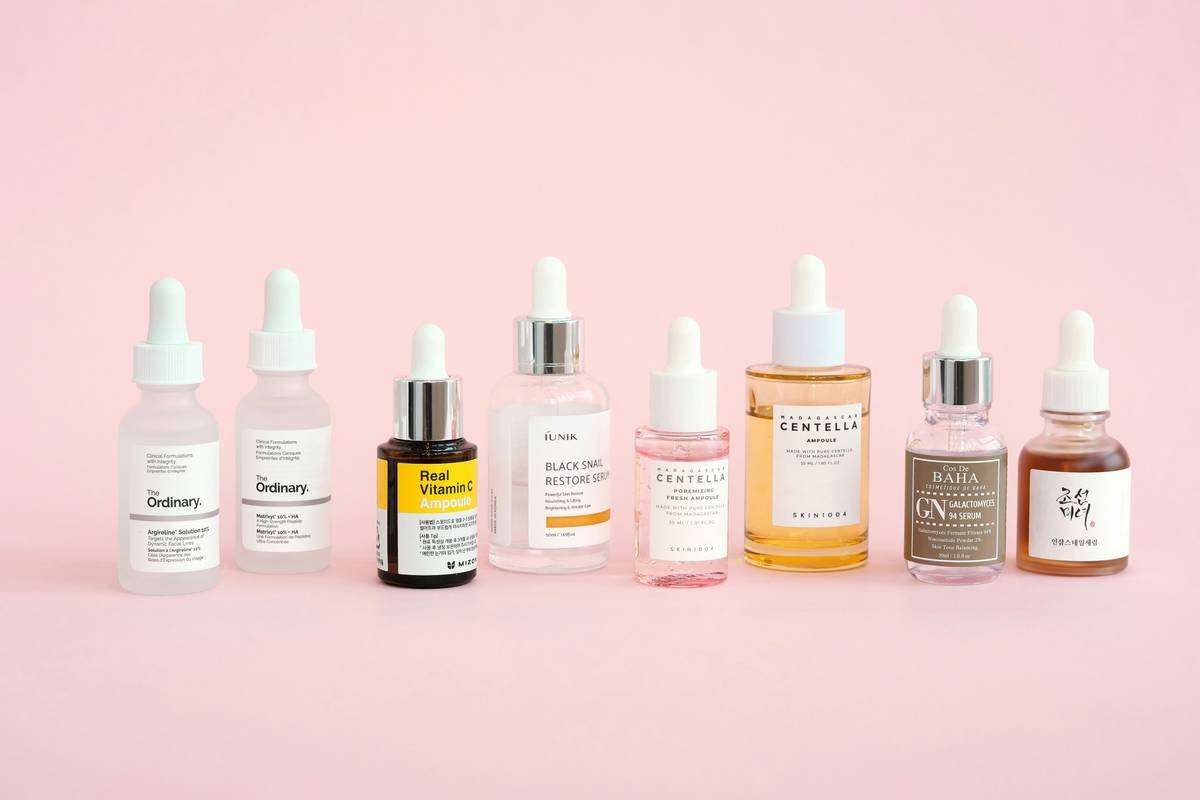
Your base determines everything. Cleanse with a creamy, pH-balanced cleanser (CeraVe Hydrating or La Roche-Posay Toleriane). Then apply a minimalist serum (The Ordinary Niacinamide 10% + Zinc) followed by a ceramide-rich moisturizer (Avene Tolerance Control). Wait 5–10 minutes before makeup.
Step 4: Apply with Care—Tools Matter
Use clean, dense brushes or silicone sponges (less porous = fewer bacteria). Dab, don’t drag. For redness zones, try green color corrector (bareMinerals Correcting Concealer) before foundation.
Optimist You: “This routine will transform your skin!”
Grumpy You: “Ugh, fine—but only if I can sit down with cold brew while doing it.”
Pro Tips for Long-Lasting Comfort (Without the Itch)
- Go mineral when possible. Mineral makeup (zinc oxide, titanium dioxide) sits on skin rather than absorbing—less chance of penetration-triggered irritation.
- Less is more. Full-face foundation? Rarely necessary. Try spot-concealing + tinted moisturizer.
- Double-cleanse at night. Use micellar water first, then gentle cleanser to fully remove residue without stripping.
- Store products cool and dry. Heat breeds bacteria—especially in liquid formulas.
- Replace every 6 months. Expired makeup = bacterial party = irritated skin.
🚫 Terrible Tip Disclaimer
“Just use baby powder as setting powder!” Nope. Baby powder often contains talc (potential irritant) and fragrance. Plus, it offers zero oil control. Stick to silica-based, fragrance-free powders like Alima Pure Translucent Powder.
🔥 Rant Section: My Pet Peeve
Why do brands slap “for sensitive skin” on products loaded with bergamot oil or mint extract? Mint feels “cooling,” but it’s a top allergen! Stop using sensory tricks to mask actual formulation flaws. If it tingles, it’s irritating—not refreshing.
Real Results: Case Studies That Actually Worked
Case Study #1 – Emma, 34, Rosacea-Prone
After years of hiding behind heavy foundation, Emma switched to ILIA Super Serum Skin Tint SPF 40 (niacinamide + squalane + oat extract). Within 3 weeks, her flare-ups reduced by ~70%. She now uses only concealer under eyes and lets her natural texture breathe.
Case Study #2 – Dev, 28, Eczema & Acne Combo Skin
Dev struggled with makeup clogging pores *and* triggering eczema patches. He adopted a hybrid routine: Tower 28 SOS Daily Rescue Facial Spray (hypochlorous acid) pre-makeup, followed by Kosas Revealer Concealer (caffeine + hyaluronic acid). Result? No new breakouts, and eczema stayed dormant during workdays.
Dermatologist Note: Both cases emphasize that calming makeup works best as part of a broader barrier-supportive routine—not a standalone fix.
FAQs About Makeup That Calms Skin
Can makeup really reduce redness?
Yes—if it contains anti-inflammatory ingredients like niacinamide or green tea extract. However, it won’t treat underlying conditions like rosacea; see a derm for medical therapy.
Is mineral makeup always better for sensitive skin?
Generally, yes—but check for bismuth oxychloride, which can cause itching in some. Opt for mica- and zinc-based formulas without fillers.
How do I test new makeup safely?
Do a patch test behind your ear or inner arm for 48 hours. If no redness, itching, or swelling occurs, it’s likely safe for your face.
Can “calming” makeup replace skincare?
No. Makeup sits on top; skincare repairs underneath. Think of calming makeup as reinforcement—not replacement.
Are clean beauty brands automatically safe?
Nope. “Clean” isn’t regulated. Many “natural” brands use essential oils that are highly sensitizing. Always check INCI lists.
Conclusion
Makeup that calms skin isn’t just a marketing myth—it’s a carefully formulated reality for those who refuse to choose between coverage and comfort. By prioritizing barrier-supporting ingredients, avoiding hidden irritants, and treating your skin like the delicate ecosystem it is, you can wear makeup without the meltdown.
Remember: your skin doesn’t need perfection. It needs respect. And sometimes, the most powerful makeup move is using less of it—wisely.
Like a Tamagotchi, your sensitive skin needs daily care—not just occasional attention.
Barrier strong,
Makeup light, calm all day—
Skin breathes deep.