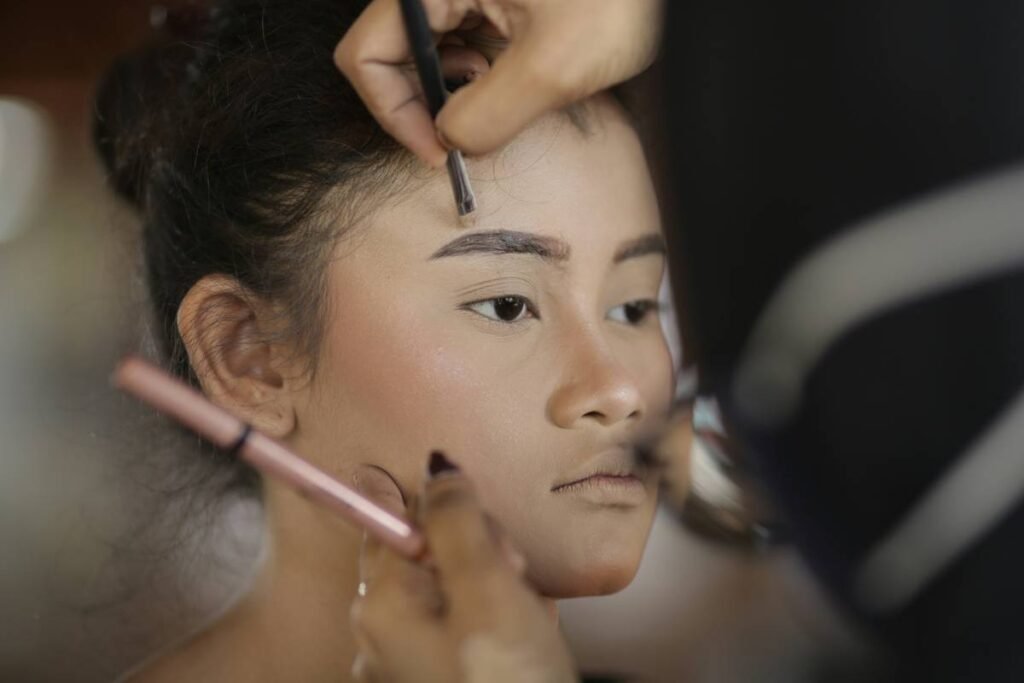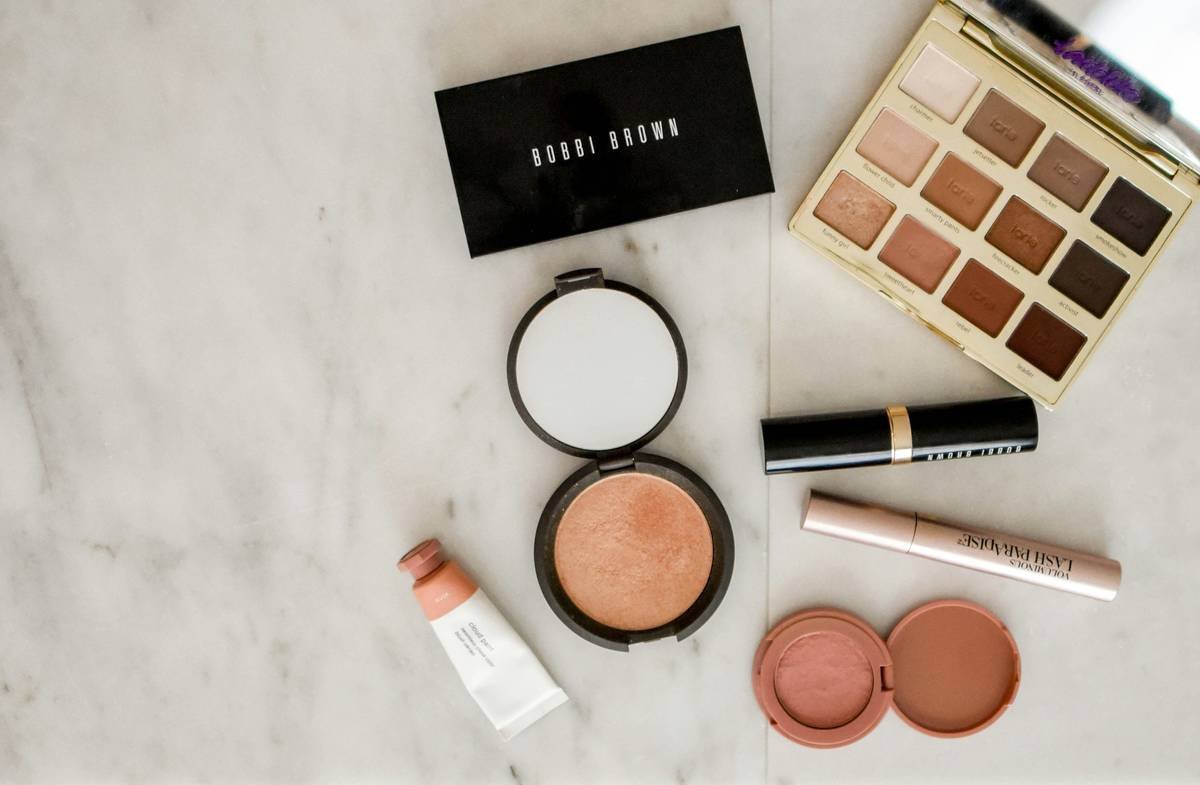
Most makeup isn’t built for children—especially not those with reactive, delicate skin. Yet parents often reach for “fun” face paints or glitter kits without realizing they’re inviting redness, itching, or worse. Sensitive skin makeup for kids shouldn’t be a gamble. The solution? Precision-formulated cosmetics that prioritize barrier health over temporary sparkle.
Why Standard Makeup Fails Delicate Skin
Conventional kids’ makeup is loaded with synthetic dyes, fragrances, and preservatives like parabens or formaldehyde releasers. These ingredients disrupt the skin’s natural microbiome—thin, underdeveloped, and far more permeable in children under 12. And it’s not just about irritation. Repeated exposure can trigger long-term sensitization, where even mild products later in life cause reactions.
Manufacturers cut corners because regulation is lax. The FDA doesn’t classify most children’s cosmetics as drugs, so safety testing is often minimal. Think about it: would you let your child ingest the same colorants found in cheap party store face paint? Probably not. Yet skin absorbs up to 60% of what you put on it.
Sensitive Skin Makeup for Kids: A Step-by-Step Guide
Building a non-irritating routine isn’t about avoiding color—it’s about smart substitutions and strategic application.
Start with a Hypoallergenic Base
Never apply pigment directly to bare skin. Use a fragrance-free, zinc oxide–based balm or mineral primer. It creates a physical shield while nourishing the stratum corneum.
Choose Mineral-Based Pigments Only
Look for iron oxides (CI 77491, CI 77492) instead of FD&C dyes. They’re naturally derived, less likely to penetrate deeply, and rarely allergenic. Avoid anything labeled “lake” or “D&C”—those are synthetic and harsh.
Apply with Precision Tools
Fingers transfer bacteria and oils. Use disposable sponges or clean nylon brushes dipped in distilled water—not saliva—for adhesion. Less product = less risk.
Remove Gently—No Wipes
Makeup wipes contain surfactants that strip natural oils. Instead, use a micellar water formulated for eczema-prone skin, followed by a lukewarm rinse and ceramide-rich moisturizer.
| Product Type | Skin-Safe Ingredients | Avoid At All Costs | Reapplication Window |
|---|---|---|---|
| Face Paint | Zinc oxide, iron oxides, glycerin (vegetable-derived) | Titanium dioxide (nano), methylisothiazolinone, artificial fragrance | Max 2 hours |
| Lip Tint | Beeswax, shea butter, beetroot powder | Carmine, synthetic red 40, menthol | After eating or drinking |
| Eyeshadow | Mica (non-nano), kaolin clay, jojoba oil | Bismuth oxychloride, talc, glitter (plastic microbeads) | Not recommended under age 8 |
The Industry Secret No Brand Will Admit
Here’s the reality: many “hypoallergenic” labels are meaningless. The term isn’t regulated. Companies can claim it even if their product contains known irritants—so long as they test it on one person who didn’t react. And that person is usually an adult with resilient skin, not a 6-year-old with eczema.
The real differentiator? Patch testing protocols. Elite pediatric dermatology brands conduct 48-hour occlusion tests on children aged 3–10 with diagnosed atopic dermatitis. Most mass-market lines skip this entirely. Demand transparency—ask for clinical data, not marketing slogans.
FAQ
Is mineral makeup safe for toddlers?
Only if non-nano and free from bismuth or talc. Avoid eye-area use under age 4 due to inhalation risks.
Can sensitive skin makeup for kids cause acne?
Yes—if it contains coconut oil, lanolin, or silicones like dimethicone. These clog immature pores. Opt for non-comedogenic, water-based formulas.
How do I test a new product safely?
Apply a rice-grain amount behind the ear. Wait 72 hours. No redness, swelling, or bumps? Then—and only then—try a tiny spot on the cheek.