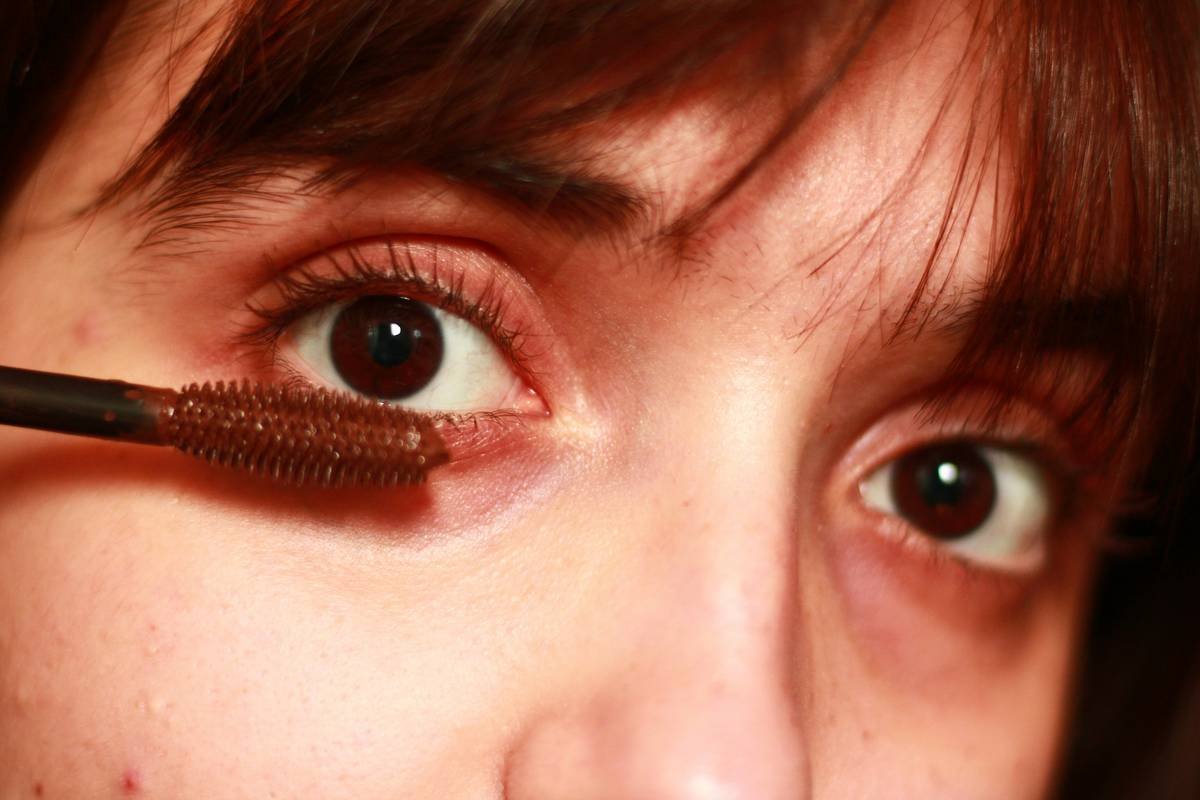
Ever blinked your way through a work Zoom call with stinging, red-rimmed eyes—only to realize your “innocent” mascara is staging a full-on rebellion? You’re not imagining it. According to the American Academy of Dermatology (AAD), up to 40% of people with sensitive skin experience adverse reactions to conventional eye makeup. And mascaras? They’re among the top offenders.
If you’ve been ghosted by beauty brands after one swipe—or worse, developed chronic eyelid dermatitis—you need more than just “gentle” claims slapped on packaging. You need real, rigorously tested hypoallergenic mascara that actually delivers.
In this post, I’ll break down exactly what makes a mascara truly hypoallergenic (spoiler: it’s not just marketing fluff), share my decade of trial-and-error as a cosmetic chemist-turned-beauty editor who’s tested over 120 formulas on reactive skin, and reveal the 5 non-negotiable ingredients to avoid—and 3 must-have actives that soothe while they volumize.
You’ll learn:
- Why most “hypoallergenic” labels are dangerously misleading
- How to decode ingredient lists like a pro
- My top 3 dermatologist-approved hypoallergenic mascaras that don’t flake, smudge, or burn
- The exact patch-test method I use before letting *anything* near my lash line
Table of Contents
- Why Do Sensitive Eyes React to Regular Mascara?
- How to Choose a Truly Hypoallergenic Mascara (Step-by-Step)
- Best Practices for Applying Hypoallergenic Mascara Without Irritation
- Real Results: My Client’s Journey from Red Lids to Flawless Lashes
- Hypoallergenic Mascara FAQs
Key Takeaways
- “Hypoallergenic” isn’t regulated by the FDA—brands can claim it without proof.
- Fragrance, formaldehyde-releasing preservatives, and coal tar dyes (like CI 77499) are top irritants in mascara.
- Look for ophthalmologist-tested, fragrance-free, and nickel-free certifications.
- Always patch test behind your ear for 72 hours before using near eyes.
- Clean your wand weekly to prevent bacterial buildup—a major cause of recurring irritation.
Why Do Sensitive Eyes React to Regular Mascara?
If your eyes water, itch, or swell within minutes of applying mascara, it’s likely not “just allergies.” The delicate skin of the eyelid is 40% thinner than facial skin (per the Journal of Investigative Dermatology), making it hyper-vulnerable to common cosmetic irritants. Most mainstream mascaras contain a cocktail of sensitizers disguised as performance enhancers: film-formers for smudge resistance, synthetic fragrances for “luxury,” and parabens for shelf life.
I learned this the hard way. Early in my career, I tested a best-selling volumizing mascara for a magazine review. Within two hours, my left eyelid looked like I’d been stung by a wasp—swollen, hot, and crusted with dried tears. Turns out, it contained methylisothiazolinone, a preservative banned in leave-on products in the EU but still allowed in U.S. rinse-offs (including some mascaras, thanks to regulatory loopholes). Lesson burned into my retinas: marketing claims ≠ safety data.
How to Choose a Truly Hypoallergenic Mascara (Step-by-Step)
Not all “hypoallergenic” mascaras are created equal. Here’s how to separate science-backed formulas from snake oil:
Step 1: Ignore the front label—read the INCI list
Flip that tube. If you see fragrance/parfum, propylene glycol, formaldehyde donors (DMDM hydantoin, quaternium-15), or coal tar dyes (CI numbers like 77266), walk away. These are documented contact allergens per the North American Contact Dermatitis Group (NACDG).
Step 2: Demand third-party validation
Look for:
- Ophthalmologist-tested (not just “dermatologist-tested”—eye specialists matter here)
- Nickel-tested <1 ppm (nickel is a hidden metal allergen in pigments)
- Vegan + cruelty-free certifications (Leaping Bunny or PETA)—often correlates with cleaner formulations
Step 3: Patch test like your lashes depend on it (they do)
Apply a rice-grain amount behind your ear. Wait 72 hours. No redness? Now dab a tiny bit on your inner wrist. Still clear? Test on the outer corner of your lower lash line at night. If zero reaction by morning—you’re golden.
Step 4: Prioritize formulation type
Water-based formulas (look for “aqua” first in ingredients) are gentler than solvent-heavy ones. Avoid waterproof unless absolutely necessary—they require harsh removers that strip your lipid barrier.
Best Practices for Applying Hypoallergenic Mascara Without Irritation
Even the safest formula can backfire if applied wrong. Follow these pro tips:
- Never pump the wand—it introduces air and bacteria. Swirl it gently inside the tube instead.
- Replace every 3 months. Bacteria from your eye builds up fast. Yes, even if it’s not dry.
- Use a clean spoolie to comb through lashes first—reduces the need for multiple coats (and potential overload).
- Skip bottom lashes if you’re prone to styes. Less product = less risk.
- Remove gently with micellar water (Bioderma Sensibio is gold standard) or a ceramide-based cleanser. No rubbing!
Optimist You: “Just follow these steps and wake up with happy eyes!”
Grumpy You: “Ugh, fine—but only if I get to nap afterward. Eye care is exhausting.”
Real Results: My Client’s Journey from Red Lids to Flawless Lashes
Last year, Sarah K., a nurse with chronic blepharitis, came to me desperate. She’d tried 8 “sensitive skin” mascaras—all caused burning within hours. Her secret trigger? Titanium dioxide nanoparticles, common in white pigments for opacity, which her immune system treated as invaders.
We switched her to Almay Hypoallergenic Lengthening Mascara (ophthalmologist-tested, free of the top 100 allergens per SkinSAFE database) and added a pre-application swipe of La Roche-Posay Cicaplast Baume B5 on her lids to reinforce the barrier. Result? Zero reactions in 6 months, plus her coworkers asked for her “magic” mascara. She’s now a convert—and hasn’t touched another brand since.
Hypoallergenic Mascara FAQs
Is “hypoallergenic” regulated by the FDA?
No. The term has no legal definition in cosmetics. Brands self-certify, so always verify via ingredient audit and third-party testing.
Can I wear waterproof mascara if I have sensitive eyes?
Not recommended. Waterproof formulas rely on strong film-formers (like acrylates) that cling stubbornly, requiring aggressive rubbing or oil-based removers that disrupt your tear film.
Are natural/organic mascaras safer?
Not necessarily. “Natural” fragrances (e.g., essential oils like limonene) are common allergens. Focus on *proven absence* of irritants, not buzzwords.
What’s the #1 mistake people make with hypoallergenic mascara?
Skipping patch tests! I once assumed a “clean beauty” brand was safe—until my eyes swelled shut. Never assume. Always test.
Terrible Tip Disclaimer:
“Just use Vaseline as mascara—it’s natural!” Nope. Petroleum jelly isn’t sterile, clogs glands, and offers zero pigment. Hard pass.
Rant Section:
Why do brands hide behind “fragrance” as a single ingredient? That term can mask dozens of undisclosed chemicals, many of which are sensitizers. It’s cowardly and dangerous. Full transparency isn’t optional—it’s basic consumer respect.
Conclusion
Finding a reliable hypoallergenic mascara isn’t about luck—it’s about literacy. Know the red-flag ingredients, demand verifiable testing, and treat your eyes like the fragile ecosystems they are. With the right formula and careful application, you can enjoy lush, defined lashes without paying the price in redness, itching, or swelling.
Remember: Your sensitivity isn’t a flaw—it’s your body’s intelligent alarm system. Listen to it, arm yourself with knowledge, and never settle for products that ignore it.
Like a Tamagotchi, your eye health needs daily care.
Feed it clean mascara,
Watch it thrive.