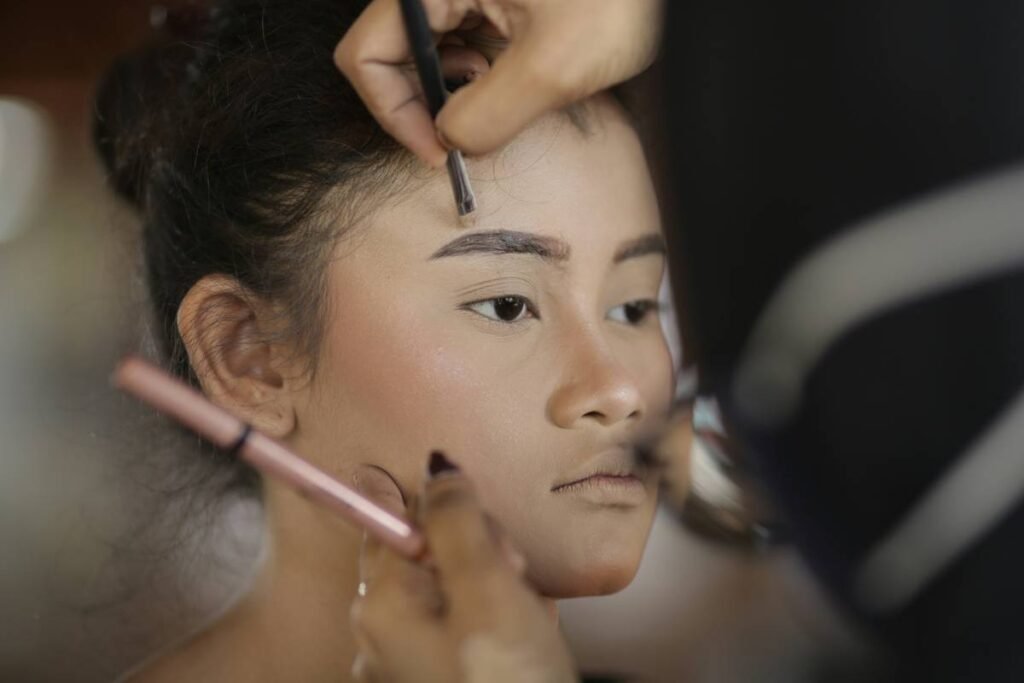
Ever applied foundation only to wake up with red, stinging patches that look like you wrestled a cactus? You’re not alone. Over 50% of women report having sensitive skin, yet most makeup aisles feel like minefields of fragrance, alcohol, and sketchy preservatives.
If your skin flares up at the mere whisper of blush, this post is for you. We’ll break down what “dermatologist tested makeup” really means (spoiler: it’s not just marketing fluff), how to choose formulas that won’t wage war on your face, and which brands actually walk the talk. You’ll learn the red flags to avoid, the ingredients to hunt down, and real routines from people who’ve survived the breakout gauntlet.
Table of Contents
- Why Sensitive Skin Needs Special Makeup
- How to Choose Dermatologist Tested Makeup That Actually Works
- Top Tips for Wearing Makeup on Sensitive Skin
- Real Stories: Dermatologist Tested Makeup That Saved Faces
- FAQ: Dermatologist Tested Makeup
Key Takeaways
- “Dermatologist tested” isn’t regulated—but reputable brands publish full test protocols or partner with board-certified dermatologists.
- Fragrance, denatured alcohol, and certain preservatives (like methylisothiazolinone) are top irritants for sensitive skin.
- Non-comedogenic, hypoallergenic, and ophthalmologist-tested labels add extra safety layers—especially around eyes.
- Always patch-test new products behind your ear or on your inner arm for 48–72 hours before full-face use.
- Less is more: simplify your routine to reduce cumulative irritation risk.
Why Does Sensitive Skin Need Special Makeup?
Sensitive skin isn’t just “dry” or “reactive”—it’s a compromised skin barrier. Think of your stratum corneum (the outermost layer) as a brick wall. In healthy skin, lipids seal the bricks tightly. In sensitive skin? Those bricks are loose, cracked, and letting irritants sneak in like uninvited roommates.
Standard makeup often contains:
- Synthetic fragrances (even “unscented” may contain masking fragrances)
- Alcohol denat (drying and inflammatory)
- Dyes (like D&C Red 30—linked to contact dermatitis)
- Harsh emulsifiers that strip natural oils
The result? Stinging, redness, flaking, or even eczema flare-ups—sometimes hours after application.
According to the American Academy of Dermatology (AAD), fragrance is the #1 cause of cosmetic contact dermatitis. And yet, it hides under dozens of aliases on ingredient lists—from “parfum” to “limonene.” That’s why “dermatologist tested” matters: it signals a product was evaluated under clinical conditions for irritation potential.
Confessional Fail: I once wore a “natural” BB cream loaded with citrus essential oils to a wedding. By midnight, my cheeks looked like two overripe tomatoes. My dermatologist later pointed out: “Natural ≠ non-irritating. Poison ivy is natural too.”
How to Choose Dermatologist Tested Makeup That Actually Works
Not all “dermatologist tested” claims are created equal. Some brands slap it on packaging after one in-house employee glanced at the formula. Real testing involves independent labs, controlled panels, and published protocols.
What Should “Dermatologist Tested” Actually Mean?
Optimist You: “It means experts vetted it!”
Grumpy You: “Ugh, fine—but only if they tested it on humans with actual sensitive skin, not just lab rats.”
True dermatologist-tested makeup should meet these criteria:
- Clinical Testing: Conducted on human volunteers (often 20–50+ people) with self-reported or clinically diagnosed sensitive skin.
- Irritation & Allergy Assessment: Uses methods like the Human Repeat Insult Patch Test (HRIPT) to check for delayed reactions.
- Transparency: Brand discloses testing method or partners with known dermatologists (e.g., Dr. Whitney Bowe for Alastin, Dr. Michelle Henry for Colorescience).
Step-by-Step: How to Vet a Product
- Check the Ingredients First: Avoid anything with “fragrance,” “parfum,” alcohol denat, or formaldehyde-releasing preservatives (e.g., DMDM hydantoin).
- Look Beyond the Claim: Visit the brand’s website. Do they describe their testing process? Do they name the dermatologist involved?
- Patch Test Religiously: Apply a dime-sized amount behind your ear or on your inner arm. Wait 72 hours. No redness, itching, or swelling? Proceed.
- Start Simple: Begin with one product (e.g., foundation). Don’t overhaul your whole routine at once.
Top Tips for Wearing Makeup on Sensitive Skin
Even the gentlest formula can backfire if applied wrong. Here’s how to maximize tolerance:
- Prep with a Soothing Primer: Look for primers with ceramides, niacinamide, or colloidal oatmeal (e.g., CeraVe Hydrating Primer). Skip silicone-heavy options if you’re acne-prone—they can trap bacteria.
- Use Clean Tools: Dirty brushes harbor bacteria. Wash weekly with baby shampoo or a brush cleanser formulated for sensitive skin.
- Avoid Layering Too Much: Each additional product increases irritation risk. Try a tinted moisturizer instead of full coverage foundation + concealer + powder.
- Remove Gently: Micellar water or balm cleansers (like Clinique Take The Day Off) melt makeup without tugging. Never scrub!
- Give Skin Breaks: Go bare-faced 1–2 days/week to let your barrier recover.
Terrible Tip Disclaimer: “Just use ‘clean’ beauty brands—they’re always safe!” Nope. “Clean” is an unregulated term. Some “clean” products still contain botanical extracts (like lavender or tea tree oil) that trigger allergies. Always read labels.
Real Stories: Dermatologist Tested Makeup That Saved Faces
Case Study 1: Rosacea Warrior
Sarah, 34, battled facial redness and papules for years. After her derm recommended mineral-based, fragrance-free makeup, she switched to Colorescience Sunforgettable Total Protection Face Shield SPF 50—ophthalmologist- and dermatologist-tested, non-comedogenic, and packed with iron oxides for redness camouflage. Within 2 weeks, her flare-ups decreased by 70% during work hours.
Case Study 2: Post-Chemotherapy Sensitivity
After chemo, Maya’s skin became paper-thin and reactive. Her oncology team suggested Vanicream’s Gentle Facial Cleanser and their new makeup line—formulated with zero dyes, fragrance, or lanolin. “It’s the only foundation that doesn’t burn,” she says.
These aren’t flukes. Brands like Vanicream, Colorescience, and La Roche-Posay (Toleriane Teint line) invest in third-party dermatological validation because they serve medical communities—not just beauty influencers.
FAQ: Dermatologist Tested Makeup
Is “dermatologist tested” the same as “hypoallergenic”?
No. “Hypoallergenic” claims a product is less likely to cause allergic reactions—but it’s not FDA-regulated and often based on ingredient selection alone. “Dermatologist tested” implies real human trials. For maximum safety, look for both.
Can I wear makeup if I have eczema?
Yes—with caution. Stick to ointment-based, fragrance-free products. Avoid powder compacts (they create airborne particles that can settle into cracks). Patch test everything.
Does “non-comedogenic” matter for sensitive skin?
Absolutely. Clogged pores = inflammation = barrier damage. Non-comedogenic means tested not to clog pores—critical if you’re prone to perioral dermatitis or acne.
Are drugstore brands ever truly dermatologist tested?
Yes! CeraVe, Vanicream, and Neutrogena (Hydro Boost + Makeup Remover lines) collaborate with dermatologists and publish testing data. Price ≠ safety.
Conclusion
Dermatologist tested makeup isn’t a luxury—it’s a necessity if your skin throws tantrums over tap water. But not all claims hold weight. Prioritize transparency, patch test religiously, and simplify your routine. Remember: the best makeup for sensitive skin is the one that disappears on your face—not your skin’s health.
And if all else fails? Channel early 2000s wisdom: “You’re beautiful, with or without makeup.” (But hey, a little redness-concealing magic never hurt anyone.)
Haiku:
Barrier thin and sore,
Derm-tested shades guard my face—
Peace at last, no sting.