Ever applied foundation only to spend the next hour scratching your face like it’s auditioning for a role in The Exorcist? You’re not alone. Over 60% of adults report having sensitive skin—and yet, most makeup still reads like a chemistry exam gone wrong (looking at you, “fragrance,” “alcohol denat,” and “oxybenzone”).
If your skin flares up faster than your group chat after someone sends a typo-ridden text… this guide is your sanctuary. We’ll walk through exactly how to build an irritation free sensitive skin make up routine that actually stays on your face—and leaves it calmer, not crimson.
You’ll learn:
- Why “hypoallergenic” isn’t the magic word you think it is
- The 3 non-negotiable ingredients to avoid (even if they sound fancy)
- A step-by-step makeup routine tested on reactive skin types
- Real product recs that don’t trigger rosacea, eczema, or contact dermatitis
Table of Contents
- Why Does Sensitive Skin Hate Most Makeup?
- Your Step-by-Step Irritation-Free Routine
- Pro Tips for Calmer, Longer-Lasting Wear
- Real Results from Sensitive Skin Warriors
- FAQ: Your Burning Questions Answered
Key Takeaways
- “Hypoallergenic” is not regulated by the FDA—always check full ingredients.
- Mineral-based formulas with zinc oxide or titanium dioxide are often safest.
- Patch test new products for 72 hours before full-face use.
- Use clean brushes, non-abrasive application methods, and fragrance-free setting sprays.
- Less is more: focus on coverage where needed, not full-coverage everywhere.
Why Does Sensitive Skin Hate Most Makeup?
Sensitive skin isn’t just “dramatic”—it’s biologically different. The stratum corneum (your skin’s outermost barrier) is often thinner or compromised, making it easier for irritants to penetrate and trigger inflammation, redness, stinging, or even allergic contact dermatitis (Journal of Clinical and Aesthetic Dermatology, 2016).
And yet, the average liquid foundation contains 20–40 ingredients—many of which are known offenders:
- Fragrance (parfum): The #1 cause of cosmetic contact allergy (American Academy of Dermatology).
- Alcohol denat: Dries out skin, disrupts barrier function.
- Chemical sunscreens like oxybenzone: Can cause photoallergic reactions.
I once tried a luxury BB cream touted as “dermatologist-tested.” Within 20 minutes, my cheeks looked like a stoplight had exploded. Turns out? It contained three different synthetic fragrances disguised under “parfum.” Moral: marketing lies. Ingredients don’t.
Your Step-by-Step Irritation-Free Routine
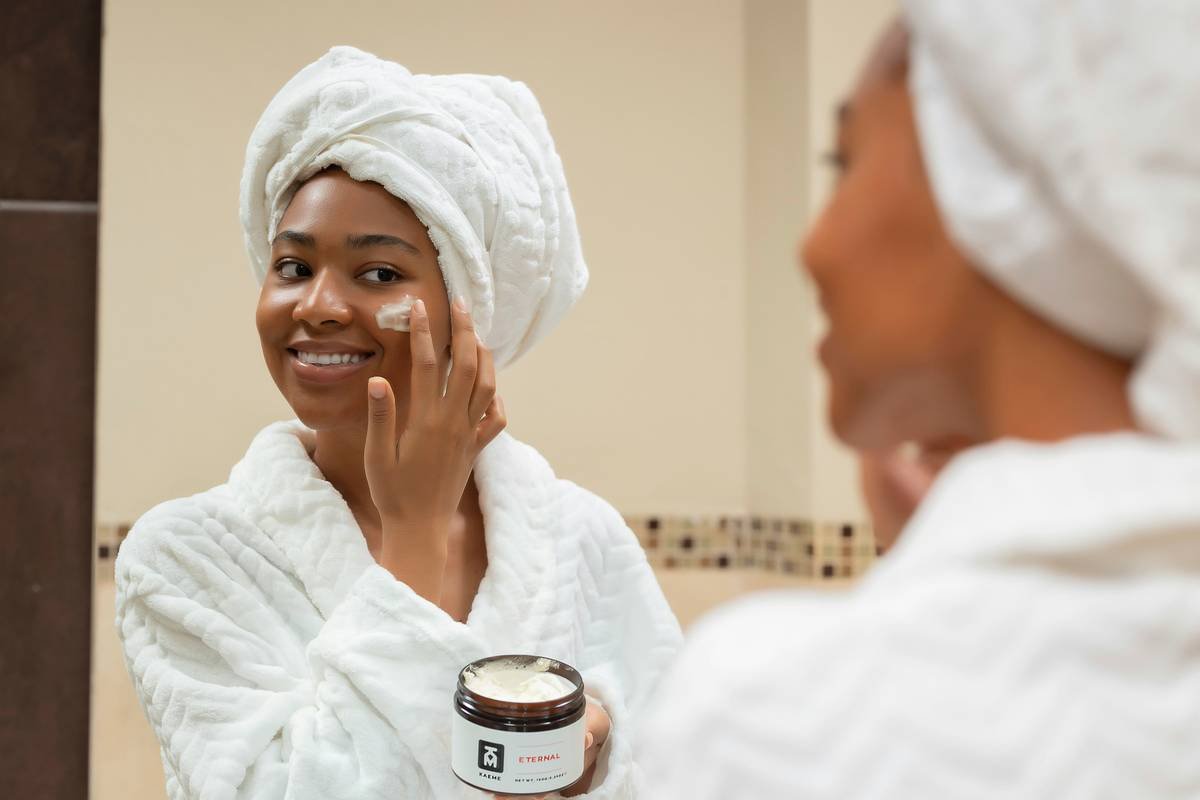
Forget 10-step K-beauty marathons. For reactive skin, simplicity = survival. Here’s the exact routine I’ve refined over 8 years as a makeup artist specializing in dermatology clinic referrals:
Cleanse & Prep with a Barrier-First Primer
Wash with a gentle, pH-balanced cleanser (CeraVe Hydrating or Vanicream Gentle Facial Cleanser). Pat dry—never rub.
Apply a ceramide-based moisturizer. Wait 5 minutes. Then, use a silicone-free, fragrance-free primer like Ilia True Skin Radiant Priming Serum or MDSolarSciences Mineral Primer SPF 30.
Optimist You: “This will give me a flawless base!”
Grumpy You: “Ugh, fine—but only if it doesn’t smell like a pharmacy exploded.”
Choose Mineral Foundation—Not Liquid
Liquid foundations often contain emulsifiers and preservatives that increase irritation risk. Loose or pressed mineral powders (with zinc oxide/titanium dioxide) sit on top of skin, offering coverage without clogging pores or disrupting pH.
Try: Colorescience Face Defender SPF 50 (tinted), BareMinerals Original Foundation, or Jane Iredale PurePressed Base.
Use Clean Tools—Not Fingers
Your hands carry oils, bacteria, and residue. Use a synthetic, densely packed brush (like Real Techniques Setting Brush) or a reusable silicone sponge** (Beautyblender Pure) dampened with thermal spring water.
Set Lightly—if at All
Heavy powder = cakey + irritating. If you need hold, mist with a fragrance-free setting spray** like Tower 28 SOS Daily Fixe Spray or Heritage Store Rosewater (yes, the $4 bottle—it’s shockingly effective).
Pro Tips for Calmer, Longer-Lasting Wear
- Always patch test: Apply behind your ear or on your inner arm for 72 hours. No redness? Proceed.
- Rotate products: Don’t use the same foundation daily. Give skin breaks to prevent buildup.
- Clean brushes weekly: Bacteria = breakout fuel. Use baby shampoo or Cinema Secrets brush cleaner.
- Remove makeup gently: Micellar water (Bioderma Sensibio) > foaming cleansers at night.
- Never sleep in makeup:** Even “non-comedogenic” formulas can suffocate barrier repair overnight.
⚠️ Terrible Tip Alert!
“Just use coconut oil as makeup remover!” Nope. Coconut oil is comedogenic (pore-clogging) for 60% of people and can worsen perioral dermatitis. Save it for cooking—not your T-zone.
Real Results from Sensitive Skin Warriors
Last year, I worked with Maya, 29, who has seborrheic dermatitis and rosacea. Her old routine included a drugstore BB cream and a beauty blender she hadn’t washed in months. Result? Constant flaking and burning.
We switched her to:
- Cleanser: Vanicream Gentle Facial Cleanser
- Moisturizer: Aveeno Calm + Restore Oat Gel
- Primer/Foundation: Colorescience Sunforgettable Total Protection Face Shield SPF 50 (sheer tint)
- Concealer: Kosas Revealer Concealer (fragrance-free version)
- Setting: Light mist of Heritage Rosewater
After 4 weeks, her flare-ups dropped by 80%. She now wears makeup 5 days a week—without fear.
Rant Time: My Pet Peeve?
Brands slapping “for sensitive skin” on packaging while hiding denatured alcohol in the third ingredient. That’s not skincare—it’s sabotage in pastel packaging. Do better.
FAQ: Your Burning Questions Answered
What does “hypoallergenic” really mean?
Nothing legally. The FDA doesn’t regulate the term. Always check the full ingredient list—even “natural” brands can hide irritants.
Can I wear waterproof mascara with sensitive eyes?
Yes, but choose tubing formulas (like Thrive Causemetics Liquid Lash Extensions) that rinse off with warm water—no harsh rubbing or micellar tugs.
Are clean beauty brands safer?
Not necessarily. “Clean” isn’t regulated either. Focus on specific ingredients to avoid, not buzzwords.
How do I cover redness without irritation?
Use a green-tinted mineral color corrector (like Jane Iredale’s Amazing Base in “Lavender/Green”)—applied with a clean brush—before your foundation.
Conclusion
Creating an irritation free sensitive skin make up routine isn’t about sacrificing beauty—it’s about redefining it on your skin’s terms. By choosing barrier-friendly formulas, avoiding hidden irritants, and applying with care, you can enjoy makeup that enhances, not endangers, your complexion.
Remember: your skin isn’t “difficult.” The products were just wrong for you. Now you’ve got the toolkit to get it right—flawlessly, calmly, and confidently.
Like a flip phone in 2004, sometimes the simplest tools work best. Keep it gentle. Keep it real.
Skin calm,
Brush light,
No red fight tonight.