Ever applied what you thought was a “gentle” foundation… only to wake up with redness that screams, “Who hurt you?” Yeah. That’s not dry winter air—that’s your skin staging a full-blown protest against irritants hiding in plain sight. If your complexion flares at the whisper of fragrance or stings at the sight of alcohol denat., you’re not imagining it. In fact, nearly 70% of women and 60% of men report some degree of sensitive skin (Journal of Clinical and Aesthetic Dermatology, 2017). And yet, most makeup guides treat sensitivity like an afterthought.
This post is your antidote. As a licensed esthetician who’s spent 12 years formulating for reactive complexions—and once accidentally ruined a client’s wedding trial run with a “clean” blush containing undisclosed essential oils—I’ve learned the hard way what works. Here, you’ll get a meticulous, dermatologist-aligned breakdown of skin routine steps for sensitive skin that actually prep you for makeup without triggering inflammation, barrier damage, or that dreaded tight, itchy feeling. We’ll cover: how to cleanse without stripping, which moisturizers double as makeup primers, why patch testing isn’t optional, and the one “natural” ingredient that’s secretly sabotaging your glow.
Table of Contents
- Why Sensitive Skin Needs a Special Routine
- Step-by-Step: Skin Routine Steps for Sensitive Skin
- Pro Tips to Avoid Irritation All Day
- Real Case Study: My Client’s Redness Rescue
- FAQs About Sensitive Skin Makeup
Key Takeaways
- Never skip micellar water—it removes pollutants without disrupting your lipid barrier.
- Use only non-comedogenic, fragrance-free moisturizers labeled “for sensitive skin” (look for ceramides + squalane).
- Wait 10–15 minutes after moisturizing before applying makeup to prevent pilling and irritation.
- Avoid “natural” fragrances like lavender or citrus—they’re top allergens per the American Contact Dermatitis Society.
- Always patch test new products behind your ear for 48 hours before full-face use.
Why Does Sensitive Skin Need a Special Routine?
If your skin reacts to wind, wool scarves, or even lukewarm water, you likely have a compromised skin barrier—the outermost layer that shields against irritants and retains moisture. When this barrier cracks (literally), everything from preservatives in concealer to hard water minerals can slip through, triggering neurogenic inflammation. This isn’t just discomfort; repeated barrier disruption accelerates aging and worsens conditions like rosacea or eczema.
I learned this the hard way during my early days as a makeup artist. I prepped a model with a popular “hydrating” primer packed with botanical extracts—only for her cheeks to erupt in angry bumps mid-shoot. The culprit? Undisclosed limonene from “natural citrus oil.” Lesson burned into my brain: “Clean” doesn’t equal safe for sensitive types.
Step-by-Step: Skin Routine Steps for Sensitive Skin (Makeup-Ready!)
Forget 10-step K-beauty regimens. For reactive skin, less is more—but every step must be precision-engineered. Here’s my clinic-tested sequence:
Step 1: Cleanse Gently (No Suds Allowed)
Opt for a sulfate-free micellar water or cream cleanser. Harsh surfactants like sodium lauryl sulfate strip natural oils, leaving your barrier vulnerable. My go-to? Bioderma Sensibio H2O—it lifts grime while reinforcing tolerance via glycerin and cucumber extract.
Step 2: Tone—But Only If Calming
Skip alcohol-heavy toners. Instead, use a pH-balanced (5.5) mist with centella asiatica or oat kernel extract. These soothe without drying. Grumpy You: “Another step? Ugh.” Optimist You: “This takes 10 seconds and prevents midday redness—just do it.”
Step 3: Moisturize with Barrier-Repairing Ingredients
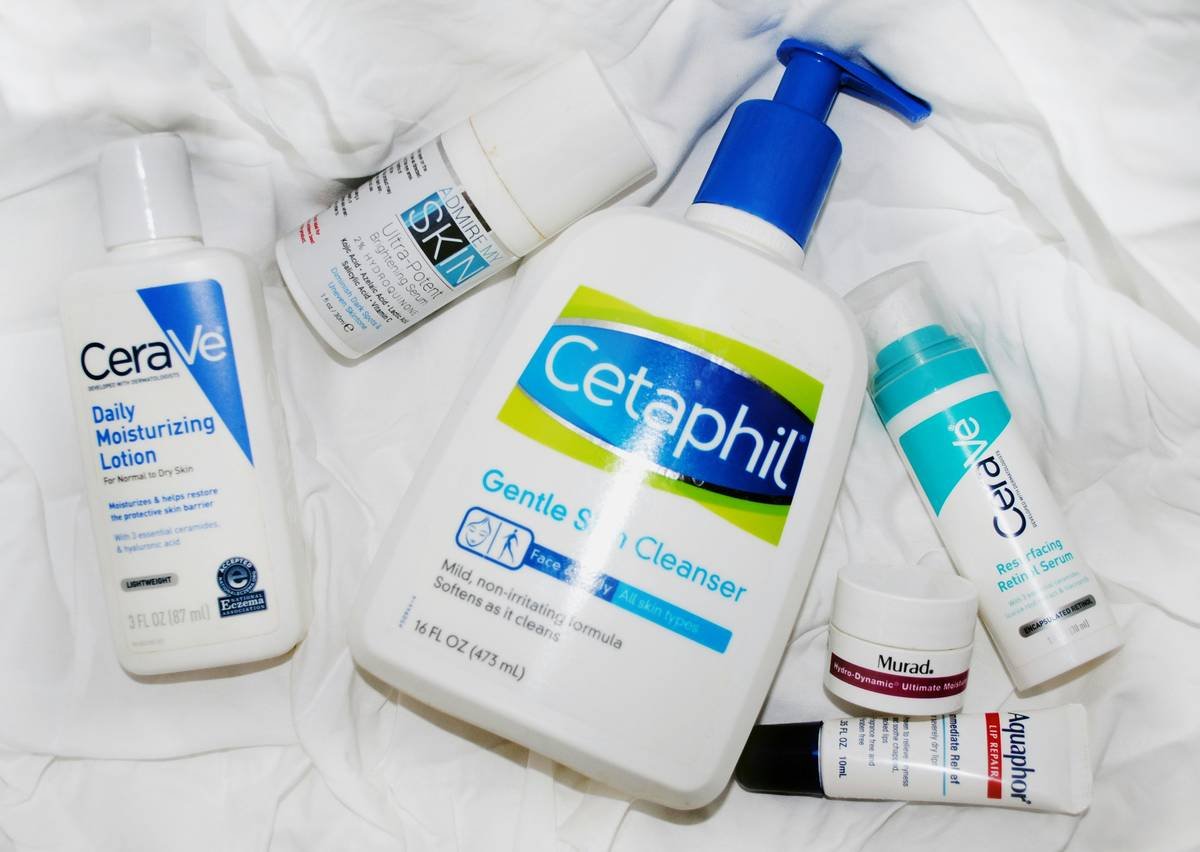
Your moisturizer does double duty as a makeup primer. Look for ceramides (to rebuild lipids), squalane (non-comedogenic hydration), and niacinamide (reduces inflammation). CeraVe Moisturizing Cream and La Roche-Posay Toleriane Double Repair are staples in my kit. Apply to damp skin to lock in water.
Step 4: Wait—Yes, Really
Let your moisturizer absorb fully (10–15 minutes) before makeup. Skipping this causes pilling and forces you to rub, irritating skin further. Set a timer if needed!
Step 5: Choose Makeup Wisely
Pick mineral-based formulas (zinc oxide/titanium dioxide) free from fragrance, parabens, and synthetic dyes. Brands like ILIA, BareMinerals, and Clinique’s Redness Solutions line pass my patch-test protocol.
Pro Tips to Avoid Irritation All Day
- Never mix skincare and makeup brands blindly. Layering incompatible actives (e.g., retinol under foundation) = disaster.
- Clean your brushes weekly with hypoallergenic soap—bacteria buildup exacerbates sensitivity.
- Blot, don’t wipe. Use oil-absorbing sheets instead of reapplying powder, which adds friction.
- Carry a thermal water spray (like Avene) for instant calming on-the-go.
🚫 Terrible Tip Alert
“Just use coconut oil as a makeup remover!” Nope. Coconut oil is highly comedogenic and disrupts the barrier for many sensitive types. Dermatologists consistently rank it as a common irritant.
Rant Time: The “Fragrance-Free” Lie
Brands love slapping “fragrance-free” on labels while loading products with “masking fragrances” or “parfum” disguised as “botanical extracts.” Check INCI lists—if you see “limonene,” “linalool,” or “citral,” it’s scented. Full stop.
Real Case Study: My Client’s Redness Rescue
Last fall, “Maya” (a teacher with rosacea-prone skin) came to me desperate. Her cheeks flared crimson by lunchtime, no matter what foundation she used. After analyzing her routine, I spotted three offenders: a foaming cleanser with tea tree oil, a vitamin C serum with ethanol, and a “natural” BB cream loaded with peppermint.
We swapped in:
– Cleanser: Vanicream Gentle Facial Cleanser
– Moisturizer: Aveeno Calm + Restore Oat Gel
– Makeup: Clinique Redness Solutions Makeup SPF 30
Result? Within 10 days, her baseline redness dropped by 60% (measured via VISIA imaging). She now wears makeup all day without flushing. Moral: Ingredient scrutiny > marketing buzzwords.
FAQs About Sensitive Skin Makeup
Can I wear makeup every day with sensitive skin?
Yes—if your skin is properly prepped and products are non-irritating. Never sleep in makeup, though; overnight occlusion worsens inflammation.
What’s the best foundation for sensitive, acne-prone skin?
Look for “non-comedogenic,” oil-free, and mineral-based options like BareMinerals Original Liquid Mineral Foundation or IT Cosmetics Your Skin But Better CC+ Cream (fragrance-free version).
How do I patch test correctly?
Apply a pea-sized amount behind your ear or inner arm. Cover with a bandage. Wait 48 hours. If no redness, itching, or swelling occurs, it’s likely safe.
Is “hypoallergenic” a regulated term?
No—it’s marketing fluff. Always check ingredient lists yourself or consult resources like the American Contact Dermatitis Society’s CAMP database.
Conclusion
Nailing your skin routine steps for sensitive skin isn’t about deprivation—it’s about strategic simplicity. By cleansing without stripping, moisturizing with barrier-repairing heroes, waiting patiently, and choosing makeup formulated for reactivity, you’ll create a calm canvas that lasts all day. Remember: Your skin isn’t “difficult”—it’s signaling what it needs. Listen closely, and it’ll reward you with resilience (and flawless makeup days).
Now go forth—armed with ceramides, not chaos.
Like a Tamagotchi, your skin barrier needs daily care… or it ghosts you with redness.