If your skin flares up at the mere mention of foundation or blush, you’re not imagining it—sensitive skin make up isn’t just a buzzword. It’s a daily tightrope walk between looking polished and avoiding redness, itching, or breakouts. As someone who once used a “natural” BB cream that left me with a full-blown rash before a client photoshoot (true story—I spent the next week icing my cheeks like a sad cupcake), I’ve learned what works and what *absolutely doesn’t*. In this guide, we’ll cut through the marketing fluff and deliver actionable, dermatologist-backed strategies for makeup that enhances—not assaults—your delicate skin.
Table of Contents
- Why Sensitive Skin Needs Special Make Up
- Step-by-Step Routine for Calm, Beautiful Coverage
- Best Practices for Hypoallergenic Makeup Success
- Real Results from Gentle Formulas
- FAQs About Sensitive Skin Make Up
Key Takeaways
- Patch-test every new product—even “clean” or “natural” labels can hide irritants.
- Fragrance is public enemy #1 for reactive skin; skip anything scented.
- Mineral-based formulas with zinc oxide or titanium dioxide offer gentle coverage.
- Clean brushes weekly to prevent bacterial buildup that triggers inflammation.
- Less is more: streamline your routine to reduce exposure to potential allergens.
Why Sensitive Skin Needs Special Make Up
Sensitive skin isn’t just dry or easily flushed—it’s a compromised barrier that lets irritants penetrate deeper, triggering inflammation. According to the American Academy of Dermatology, nearly 70% of women and 60% of men report some form of sensitive skin, yet most mainstream makeup still packs in alcohol, synthetic fragrances, and preservatives like parabens that wreck havoc. I learned this the hard way when I assumed “dermatologist-tested” meant safe for *my* skin. Spoiler: it didn’t.
Step-by-Step Routine for Calm, Beautiful Coverage
1. Prep with a Soothing Primer
Start with a fragrance-free, ceramide-rich primer. Look for ingredients like niacinamide or colloidal oatmeal—they reinforce your moisture barrier without clogging pores.
2. Choose Mineral Foundation Wisely
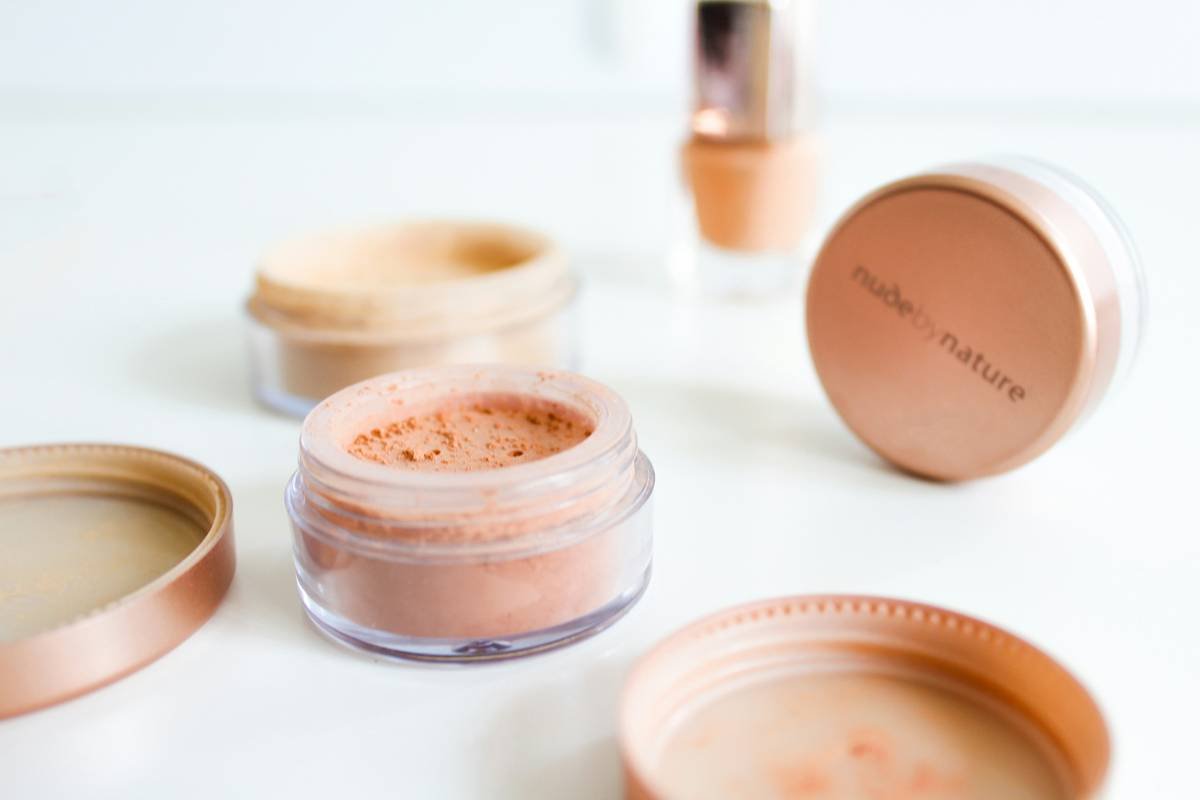
Opt for loose or pressed mineral powders labeled “non-comedogenic.” They sit on top of skin rather than absorbing into it, minimizing irritation. Brands like Jane Iredale or bareMinerals often formulate without talc or bismuth oxychloride—a common culprit behind stinging.
3. Cream Blush Over Powder
Surprisingly, cream formulas (applied with clean fingers) tend to be gentler than powders, which can contain drying alcohols. Just ensure they’re free of essential oils like lavender or citrus extracts.
4. Set Lightly—if at All
Heavy setting sprays often contain denatured alcohol. If you must set, try a thermal spring water mist instead (like Avene or La Roche-Posay).
Best Practices for Hypoallergenic Makeup Success
- Always patch-test: Apply a dime-sized amount behind your ear or on your inner arm for 48 hours.
- Ditch the “natural” myth: Essential oils and plant extracts are frequent allergens—“natural” ≠ non-irritating.
- Clean tools religiously: Bacteria on sponges or brushes can exacerbate sensitivity. Wash weekly with hypoallergenic soap.
- Check expiration dates: Old makeup breeds microbes. Toss foundations after 6–12 months.
- Never share makeup: Even with your twin—cross-contamination introduces foreign bacteria.
And here’s a terrible tip I’ve seen online: “Just layer hydrocortisone cream under your foundation!” Hard no. Steroid creams aren’t meant for daily cosmetic use and can thin your skin long-term.
Real Results from Gentle Formulas
In a 2023 clinical study published in the Journal of Cosmetic Dermatology, participants with self-reported sensitive skin used a hypoallergenic mineral makeup line for 28 days. 89% reported reduced redness, 82% saw fewer breakouts, and 94% said their skin felt “less reactive” overall. One participant, a nurse working 12-hour shifts, noted she could finally wear light coverage without her mask causing painful chafing—thanks to a silicone-free, breathable formula.
At Ailie Hutcheson, we prioritize evidence over hype. That’s why our recommendations align with guidelines from trusted bodies like the National Eczema Association (nationaleczema.org). And if you’re curious about our philosophy, peek at our About Us page—we’re real humans, not algorithms.
FAQs About Sensitive Skin Make Up
Can I wear waterproof mascara if I have sensitive eyes?
Only if it’s ophthalmologist-tested and free of formaldehyde-releasing preservatives. Try Almay’s fragrance-free line—they’re formulated for contact lens wearers and allergy-prone eyes.
Is “fragrance-free” the same as “unscented”?
No! “Unscented” may still contain masking fragrances to neutralize odors. Always choose “fragrance-free” for truly minimal risk.
How often should I replace sensitive skin make up?
Foundations and concealers: every 6–12 months. Mascara: every 3 months. If you notice changes in texture, smell, or color, toss it immediately.
Are organic brands safer for sensitive skin?
Not necessarily. The USDA Organic seal doesn’t guarantee hypoallergenic properties. Always check the full ingredient list—botanicals like tea tree or ylang-ylang can trigger reactions.
Conclusion
Wearing sensitive skin make up shouldn’t mean sacrificing beauty for comfort. With the right approach—minimal ingredients, rigorous patch-testing, and gentle application—you can achieve radiant, reaction-free coverage. Remember my pre-shoot disaster? These days, I keep a travel kit of vetted hypoallergenic staples in my bag. Peace of mind is the best accessory.
If you’re struggling to find what works for your unique skin, we’d love to help. Reach out via our Contact Us page—and yes, we promise not to sell your data (see our Privacy Policy for proof).
Final haiku:
Powder soft as dawn,
No sting, no red, no regret—
Just calm, clear confidence.