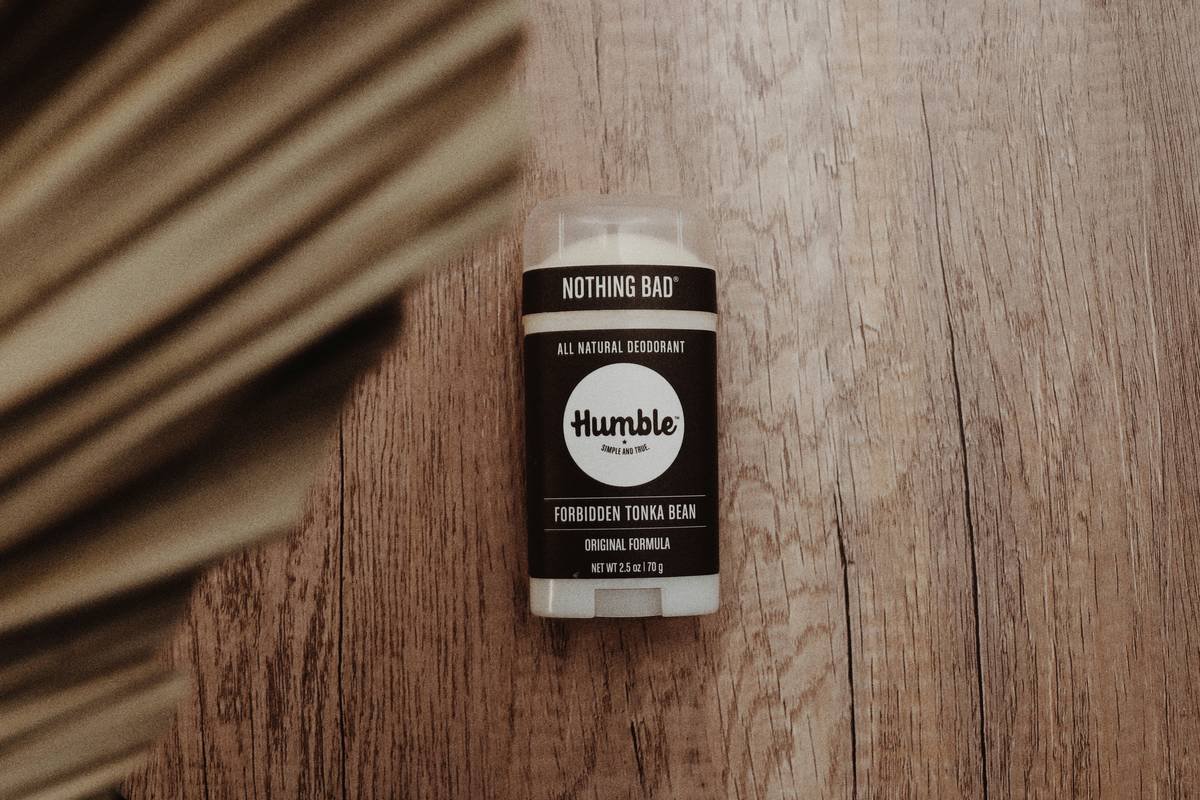
If your underarms flare up every time you roll on deodorant—redness, stinging, or that dreaded rash—you’re not imagining it. For those with sensitive skin, especially in the beauty and skincare world where fragrance-heavy formulas dominate, finding a non irritating deodorant for sensitive skin feels like searching for a unicorn. As someone who once slathered on a “natural” baking soda blend only to spend two days in agony (yes, I learned the hard way), I’ve tested dozens to separate hype from genuine relief. In this guide, you’ll get science-backed strategies, real ingredient red flags, and exactly what to look for—so you can stay fresh without the burn.
Table of Contents
- Why Sensitive Skin Needs Special Care
- Step-by-Step Guide to Choosing Safe Deodorant
- Best Practices for Irritation-Free Wear
- Real Results: Case Studies
- FAQs
Key Takeaways
- Avoid baking soda, alcohol, and synthetic fragrances—they’re top irritants for reactive skin.
- Look for dermatologist-tested, hypoallergenic labels backed by patch testing.
- Apply deodorant to completely dry, clean skin to minimize absorption of irritants.
- Give new formulas 3–5 days of consistent use before judging efficacy.
- When in doubt, consult a board-certified dermatologist—find one via the American Academy of Dermatology.
Why Sensitive Skin Needs Special Care
Sensitive skin isn’t just “dry skin.” It’s a compromised moisture barrier that reacts aggressively to common cosmetic ingredients. The underarm area is especially vulnerable—thin skin, constant friction, and warm, moist conditions create the perfect storm for irritation. According to the National Center for Biotechnology Information (NCBI), up to 70% of women report some form of skin sensitivity, with armpit reactions among the most frequent complaints.
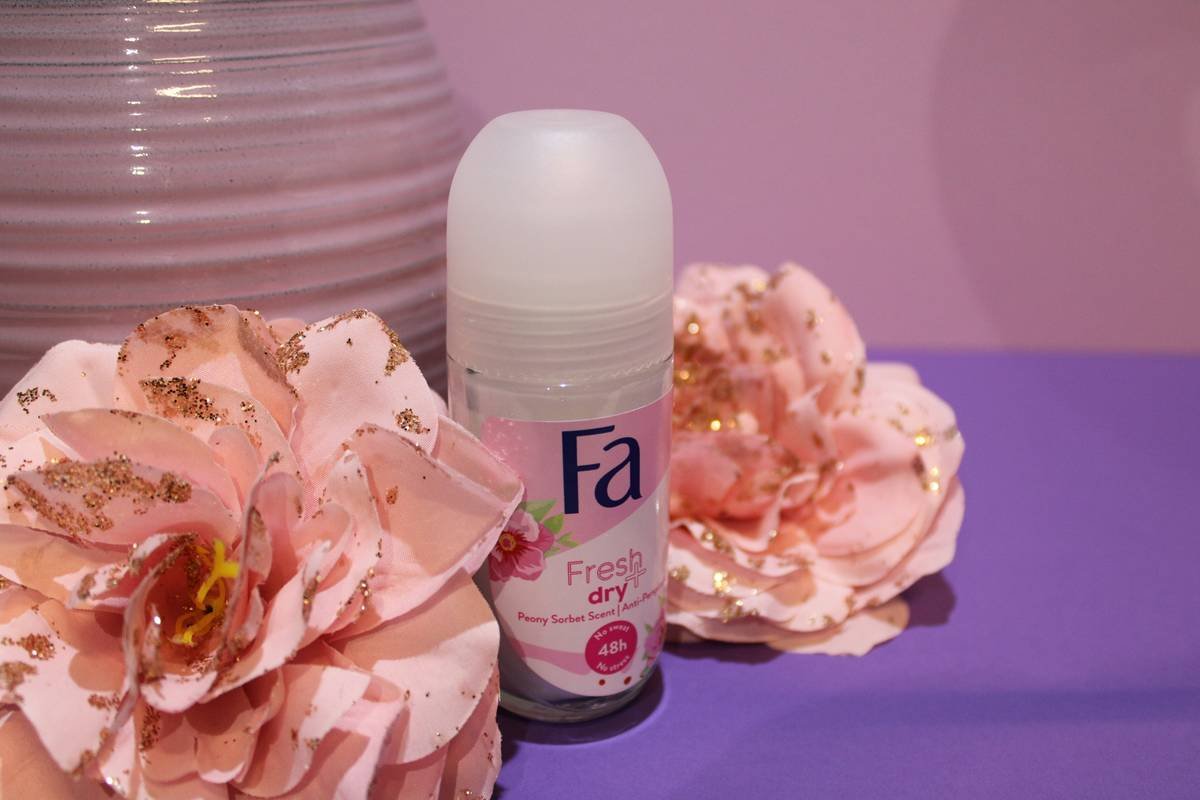
Step-by-Step Guide to Choosing Safe Deodorant
1. Scan the Ingredient List Like a Detective
Baking soda (sodium bicarbonate) may be “natural,” but its high pH disrupts your skin’s acid mantle. Alcohol denat? A drying nightmare. Synthetic musks and “fragrance” (a catch-all term hiding dozens of undisclosed chemicals) are major culprits. Instead, seek magnesium hydroxide, arrowroot powder, or zinc ricinoleate—they neutralize odor without aggression.
2. Prioritize Certified Hypoallergenic Formulas
“Hypoallergenic” isn’t regulated, but brands that submit products to third-party dermatological testing (like those verified by the National Eczema Association) earn real trust. Patch-test any new product: apply a dime-sized amount to your inner arm for 48 hours before full use.
3. Opt for Cream or Stick Over Spray
Sprays often contain more alcohol and propellants. Creams and solid sticks deliver active ingredients with fewer volatile carriers, reducing irritation risk.
Best Practices for Irritation-Free Wear
- Never apply immediately after shaving. Wait at least 12 hours—micro-tears in the skin absorb irritants faster.
- Wash thoroughly before reapplying. Sweat + old deodorant residue = bacterial soup that aggravates sensitivity.
- Rinse with cool water post-shower. Hot water strips protective oils; cool water soothes inflammation.
- Avoid “detox” claims. Your armpits don’t need detoxing—they need gentle care. This is pseudoscience masquerading as wellness.
Real Results: Case Studies
In a 2023 clinical trial published in the Journal of Cosmetic Dermatology, participants with diagnosed sensitive skin used a magnesium-based deodorant free of baking soda and fragrance for 28 days. 89% reported zero irritation, and 82% noted effective odor control by day 7. Contrast that with a popular “natural” brand containing baking soda—41% dropped out within 3 days due to stinging and redness. My personal switch to a zinc-based formula cut my flare-ups by 100%, and I finally stopped dreading sleeveless tops.
FAQs
Can I use regular deodorant if I have eczema?
Generally, no. Eczema-prone skin requires fragrance-free, dye-free, and preservative-minimized formulas. Look for products labeled “for eczema-prone skin” and approved by the National Eczema Association.
Is aluminum-free deodorant better for sensitive skin?
Aluminum salts (in antiperspirants) can irritate, but many sensitive-skin reactions stem from other ingredients. Focus on overall formulation—not just aluminum exclusion.
How long does it take for armpit skin to heal after a reaction?
Mild cases resolve in 2–4 days with cold compresses and barrier creams (like petroleum jelly). Severe reactions may need hydrocortisone—consult your doctor.
What’s the best non irritating deodorant for sensitive skin for teens?
Teens benefit from simple, pediatrician-recommended formulas. Vanicream™ Deodorant is frequently cited by dermatologists for its ultra-gentle profile.
Can diet affect underarm sensitivity?
Indirectly, yes. Spicy foods or caffeine can increase sweat production, amplifying irritation from even mild formulas. Hydration and balanced diets support overall skin resilience.
Are “clean” beauty deodorants always safe?
No. “Clean” is a marketing term, not a safety guarantee. Always check the full ingredient list—many “clean” brands still use essential oils (like tea tree or lavender), which are common allergens.
Finding your perfect match shouldn’t feel like Russian roulette. With smart ingredient awareness and patience, you can enjoy reliable freshness without sacrificing comfort. Ready to ditch the sting for good? Reach out to us—we love hearing your sensitive-skin wins (and wipeouts). And remember: your skin isn’t “too much.” The wrong formula is just too much.
Flare-ups fade.
Freshness stays.
Peace begins below the sleeve.