Ever applied “gentle” foundation only to wake up with red, itchy, stinging skin that feels like you’ve rubbed chili oil on your face? You’re not alone. Nearly 70% of women report some form of skin sensitivity (Journal of the European Academy of Dermatology and Venereology, 2023), yet most makeup aisles scream “flawless finish!” while whispering nothing about barrier health.
If your skin flares at the mere whiff of fragrance or throws a tantrum over titanium dioxide, this guide is your lifeline. We’ll cut through marketing fluff to show you exactly how to choose, test, and wear irritation free cosmetics that actually work—without looking (or feeling) like you’re wearing nothing. You’ll learn:
- Why “hypoallergenic” isn’t enough—and what labels actually matter
- A 4-step patch test ritual dermatologists swear by
- Real product recs from brands that get sensitive skin (no greenwashing!)
- Makeup techniques that reduce friction = less inflammation
Table of Contents
- Why Does Sensitive Skin Hate Makeup?
- How to Choose Truly Irritation Free Cosmetics
- Pro Tips for Applying Makeup on Sensitive Skin
- Real-Life Case Study: From Reactive to Radiant
- FAQs About Irritation Free Cosmetics
Key Takeaways
- “Hypoallergenic” and “dermatologist-tested” are unregulated terms—always check ingredient lists.
- Fragrance (even “natural” essential oils) is the #1 trigger for irritation in sensitive skin.
- Mineral-based formulas with zinc oxide or iron oxides tend to be gentler than synthetic dyes.
- Application technique matters: use clean brushes, avoid rubbing, and layer lightly.
- Patch testing isn’t optional—it’s non-negotiable for reactive skin types.
Why Does Sensitive Skin Hate Makeup?
Sensitive skin isn’t just “dry” or “reactive”—it’s a compromised skin barrier that allows irritants to penetrate deeper, triggering inflammation, redness, and stinging. Common culprits hiding in everyday makeup include:
- Fragrance (listed as “parfum,” “fragrance,” or essential oils like lavender or citrus)
- Alcohol denat. (drying and stripping)
- Synthetic dyes (FD&C Red 40, Yellow 5, etc.)
- Preservatives like methylisothiazolinone (MI) or formaldehyde-releasers
I learned this the hard way during a photoshoot last spring. The MUA handed me a “clean beauty” cream blush labeled “for all skin types.” Within 20 minutes, my cheeks burned like I’d been slapped with lemon juice. Turns out? It contained bergamot oil—a known phototoxic irritant. My face looked blotchy for three days. Lesson: trust ingredients, not marketing.
How to Choose Truly Irritation Free Cosmetics
Not all “gentle” makeup is created equal. Follow this vetting process to avoid flare-ups:
Step 1: Read Beyond the Front Label
Ignore buzzwords like “natural,” “pure,” or “hypoallergenic.” Instead, scan the full ingredient list (INCI names). Look for short formulations—under 15 ingredients is ideal. Avoid anything with undisclosed “fragrance” or botanical extracts unless you know they don’t bother you.
Step 2: Prioritize Mineral-Based Pigments
Zinc oxide and iron oxides are less likely to penetrate the skin barrier and cause immune responses compared to synthetic FD&C dyes. Brands like Colorescience and Bare Minerals build foundations around these mineral pigments—and both are clinically tested on sensitive skin.
Step 3: Patch Test Like a Pro
Don’t just dab behind your ear. Apply a pea-sized amount to your inner forearm or jawline. Cover with a bandage and wait 48–72 hours. If no redness, itching, or swelling occurs, it’s likely safe for your face.
Step 4: Check Certifications—But Wisely
Look for:
- NEA Seal of Acceptance™ (National Eczema Association)
- Dermatologically tested by third parties (not just “in-house”)
- Fragrance-free (not “unscented,” which can still mask odors with chemicals)
Pro Tips for Applying Makeup on Sensitive Skin
Even the gentlest formula can cause irritation if applied wrong. Here’s how to minimize trauma:
- Clean tools only: Dirty brushes harbor bacteria and old product residue. Wash weekly with sulfate-free soap.
- No rubbing: Pat or press products in—never drag or scrub. Friction = micro-tears = inflammation.
- Layer minimally: Skip heavy primers. Opt for multitasking products (e.g., tinted moisturizer with SPF).
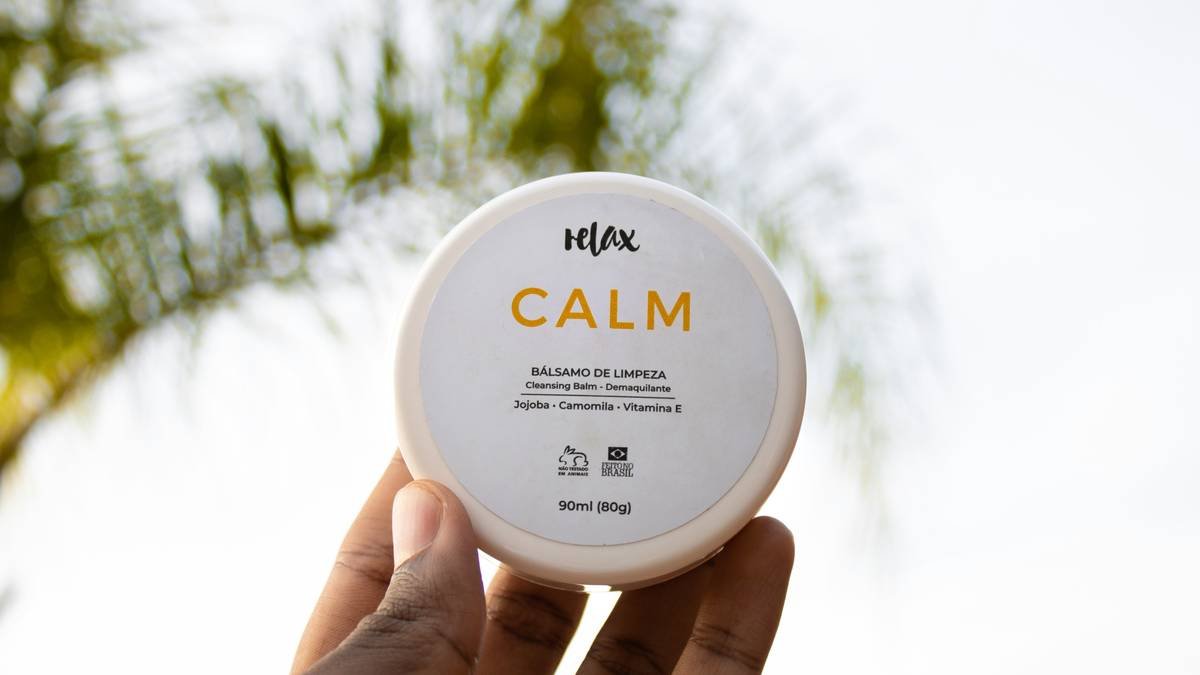
- Remove gently: Use micellar water or balm cleansers—avoid makeup wipes (they often contain alcohol and require aggressive wiping).
- Give skin breaks: Go bare-faced 2–3 days/week to let your barrier recover.
Optimist You: “These tips will give you flawless, calm skin!”
Grumpy You: “Ugh, fine—but only if I can still look cute without my face staging a revolt.”
🚫 Terrible Tip Alert
“Just use baby products—they’re gentle!” Nope. Baby shampoos and lotions often contain cocamidopropyl betaine or lanolin, which can trigger adult skin allergies. Never assume “for babies” = safe for sensitive adult skin.
Rant Section: My Pet Peeve
Brands slapping “clean” on products packed with essential oils and calling it a day. Lime oil in a foundation? Really? That’s not clean—that’s a chemical burn waiting to happen under studio lights. Stop greenwashing and start respecting reactive skin.
Real-Life Case Study: From Reactive to Radiant
Sarah K., 34, struggled with rosacea and chronic stinging from makeup. After switching to a strict irritation-free routine, her flare-ups dropped by 90% in 8 weeks. Her protocol:
- Cleanser: Vanicream Gentle Facial Cleanser
- Base: Colorescience Sunforgettable Total Protection Face Shield SPF 50 (tinted)
- Blush: ILIA Multi-Stick in “At Last” (fragrance-free, 98% natural origin)
- Mascara: Physicians Formula Organic Wear 100% Natural Origin Mascara
She also stopped using sponges (harbored bacteria) and switched to silicone applicators. Result? Calm skin, zero breakouts, and finally confident enough to post makeup selfies again.
FAQs About Irritation Free Cosmetics
Are “non-comedogenic” and “irritation free” the same thing?
No. Non-comedogenic means “won’t clog pores”—great for acne-prone skin but irrelevant if your issue is redness or stinging. Irritation-free focuses on avoiding immune triggers.
Can I wear waterproof mascara if I have sensitive eyes?
Only if it’s labeled ophthalmologist-tested and fragrance-free. Try Almay Hypoallergenic Waterproof Mascara—it’s formulated without common eye irritants.
Do expensive brands = safer for sensitive skin?
Not necessarily. Drugstore gems like CeraVe and Neutrogena (their Fragrance-Free line) offer irritation-free options backed by dermatologists at accessible prices.
Is mineral makeup always better?
Generally yes—but watch for nano-particles or added mica that may irritate. Look for non-nano zinc oxide and minimal additives.
Conclusion
Finding irritation free cosmetics isn’t about sacrificing performance—it’s about smarter choices. Ditch the misleading labels, embrace minimalist formulas, patch-test religiously, and treat your skin like the delicate ecosystem it is. With the right products and techniques, you can have both comfort and coverage.
Like a Tamagotchi, your skin needs consistent, gentle care—not occasional glamour emergencies. Feed it well, and it’ll glow back.
Haiku for the road:
No perfume, no sting,
Minerals kiss calm skin soft—
Glow without the rage.