Ever applied “lightweight” foundation only to wake up with cheeks that look like you wrestled a cactus? You’re not imagining it—over 70% of people report having some form of sensitive skin, according to the American Academy of Dermatology (AAD). And yet, most makeup aisles feel like minefields labeled “fragrance,” “alcohol,” and “why are my eyes burning?”
If you’ve tossed out more compacts than you’ve worn because they left your face flushed, flaky, or furious—you’re in the right place. In this guide, I’ll walk you through exactly how to find good makeup for sensitive skin that actually stays put without sabotage. You’ll learn:
- Why your skin freaks out (it’s not always “allergies”)
- How to decode ingredient lists like a derm
- Which formulas earn a gold star from dermatologists—and which to ghost forever
- Real routines from real humans who’ve cracked the code
Table of Contents
- Why Does Sensitive Skin React to Makeup?
- How to Choose Good Makeup for Sensitive Skin (Step-by-Step)
- Top Tips for Applying Makeup on Sensitive Skin
- Real People, Real Results
- FAQs About Good Makeup for Sensitive Skin
Key Takeaways
- “Hypoallergenic” isn’t regulated—always check ingredients.
- Fragrance, alcohol denat., and certain preservatives (like methylisothiazolinone) are top irritants.
- Mineral-based formulas with zinc oxide or titanium dioxide are often gentler.
- Always patch-test new products behind your ear for 48 hours.
- Less is more: build coverage slowly to avoid overwhelming your barrier.
Why Does Sensitive Skin React to Makeup?
Let’s get clinical for a sec: “Sensitive skin” isn’t a medical diagnosis—it’s an umbrella term for skin that overreacts to environmental stressors, including cosmetics. This reactivity stems from a compromised skin barrier, the lipid-rich layer that locks in moisture and keeps irritants out. When that barrier’s damaged (thanks, over-exfoliating TikTok trends), even “clean” formulas can trigger stinging, redness, or breakouts.
I learned this the hard way during fashion week 2019. A beloved high-end concealer—billed as “for all skin types”—left me with eyelid dermatitis so severe I couldn’t wear mascara for three weeks. My derm later pointed to propylene glycol and fragrance as culprits. Lesson? Marketing speak ≠ safety.
According to a 2022 study in the Journal of the European Academy of Dermatology and Venereology, the top five irritants in makeup are:
- Fragrance (natural or synthetic)
- Alcohol denat. (drying and stripping)
- Sulfates (SLS/SLES)
- Certain preservatives (e.g., parabens, MIT)
- Essential oils (yes, even lavender and tea tree!)
How to Choose Good Makeup for Sensitive Skin (Step-by-Step)
Step 1: Read the Ingredient List Like a Detective
Ignore front-of-box claims like “dermatologist-tested” (anyone can say that). Flip it over. If the first five ingredients include water, dimethicone, or glycerin—that’s promising. But if you spot “fragrance,” “parfum,” “essential oil,” or “alcohol denat.” near the top? Walk away.
Step 2: Prioritize Mineral Formulas
Mineral makeup (think: loose powders or pressed bases with zinc oxide or titanium dioxide) sits on top of skin instead of absorbing into it—reducing irritation risk. Brands like Colorescience and Jane Iredale formulate specifically for reactive skin and are often recommended by dermatologists.
Step 3: Patch Test—No Exceptions
Dab a pea-sized amount behind your ear or on your inner arm. Wait 48 hours. If no redness, itching, or bumps appear? Green light.
Step 4: Simplify Your Routine
Optimist You: “You only need four products: tinted moisturizer, cream blush, brow gel, and mascara.”
Grumpy You: “Ugh, fine—but only if coffee’s involved and none of them contain rosewater.”
Top Tips for Applying Makeup on Sensitive Skin
- Prep with a gentle, fragrance-free moisturizer. Let it absorb fully before applying makeup—rushing = pilling + irritation.
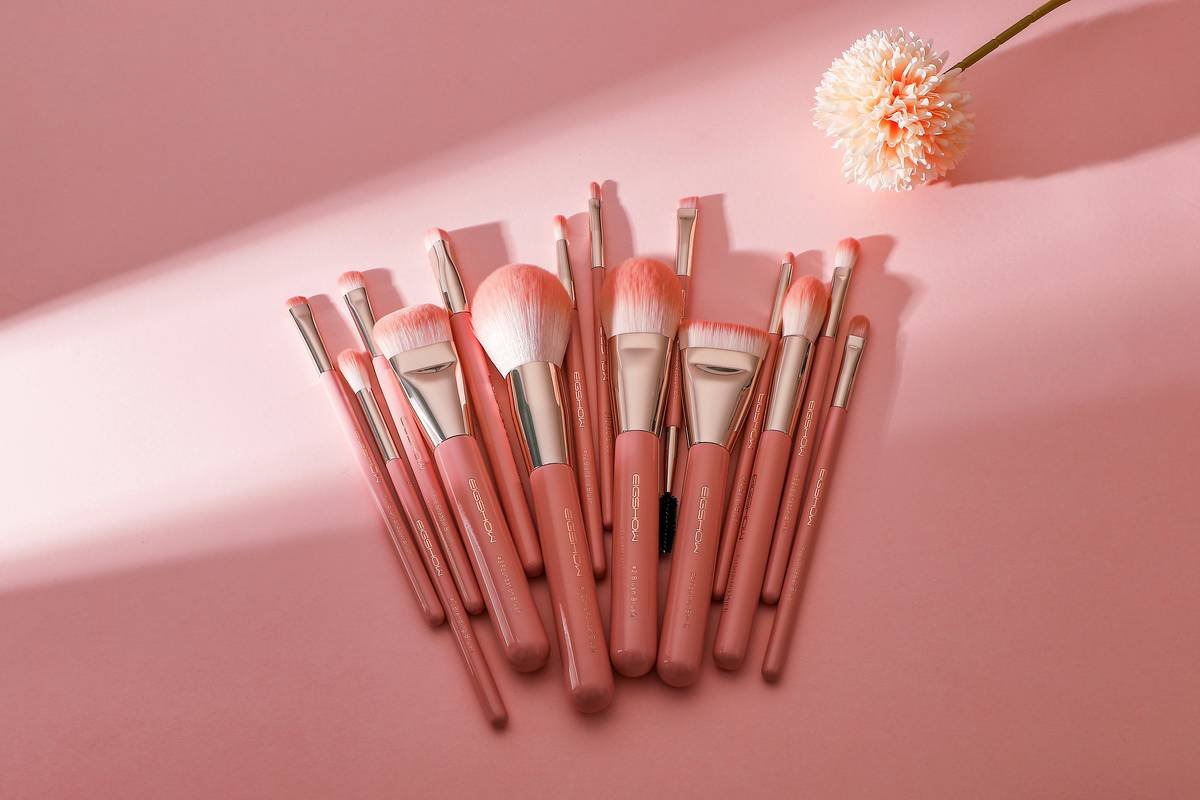
- Use clean tools. Bacteria on sponges or brushes = inflammation city. Wash weekly with baby shampoo.
- Avoid waterproof formulas. They require harsh removers that strip your barrier. Try micellar water instead (Bioderma Sensibio is a gold standard).
- Never sleep in your makeup. Obvious? Yes. Forgotten at 2 a.m.? Absolutely.
- Reintroduce one product at a time. If you breakout, you’ll know exactly what caused it.
Terrible Tip Disclaimer
“Just use coconut oil as makeup remover!”—NO. Coconut oil is highly comedogenic and disrupts the skin barrier for many sensitive types. Dermatologists consistently rank it among the worst DIY skincare “hacks.” Don’t do it.
Rant Section
Can we talk about “clean beauty” greenwashing? Just because a product says “non-toxic” doesn’t mean it’s safe for sensitive skin. Arsenic is natural, Karen—but you wouldn’t put it on your face. Stop equating “natural” with “gentle.” Your skin couldn’t care less about buzzwords—it cares about chemistry.
Real People, Real Results
Case Study: Maya R., 32, Rosacea-Prone
After years of redness flare-ups from liquid foundations, Maya switched to ILIA Super Serum Skin Tint SPF 40 (fragrance-free, niacinamide-infused). Result? “My skin stopped burning within a week. I finally take selfies without filters.”
Case Study: David L., 28, Post-Chemotherapy Skin
During treatment, David’s skin became paper-thin and reactive. His oncology team recommended Vanessa Naturals Mineral Powder Foundation. “It gave me confidence back without stinging—even on radiation-burned areas.”
Both cases underscore a key truth: good makeup for sensitive skin isn’t about luxury—it’s about intelligent formulation.
FAQs About Good Makeup for Sensitive Skin
Is mineral makeup always better for sensitive skin?
Generally, yes—because it avoids common irritants and contains soothing minerals like zinc oxide. However, some mineral brands add mica or talc that can be drying. Always check the full ingredient list.
Can I wear mascara with sensitive eyes?
Yes—but choose ophthalmologist-tested, fragrance-free formulas. Almay Clear Eyes and Clinique High Impact are both formulated for contact lens wearers and allergy-prone eyes.
What’s the best way to remove makeup without irritating skin?
Use a fragrance-free micellar water (like La Roche-Posay Toleriane) followed by a gentle, non-foaming cleanser. Never rub—press and lift.
Does “hypoallergenic” mean it’s safe for sensitive skin?
No. The term isn’t regulated by the FDA. A 2020 study found that 83% of “hypoallergenic” products still contained known allergens. Always verify ingredients independently.
Conclusion
Finding good makeup for sensitive skin isn’t about luck—it’s about literacy. Know your triggers, respect your barrier, and prioritize simplicity over trendiness. The best makeup for sensitive skin doesn’t just look good; it feels invisible, lets your skin breathe, and never leaves you guessing whether that redness is from blush… or rage.
Start small. Patch test. Trust your skin’s whispers before they become screams. And remember: glowing skin begins with calm skin—not a ten-step routine full of landmines.
Like a Tamagotchi, your skin barrier needs daily care—not drama.